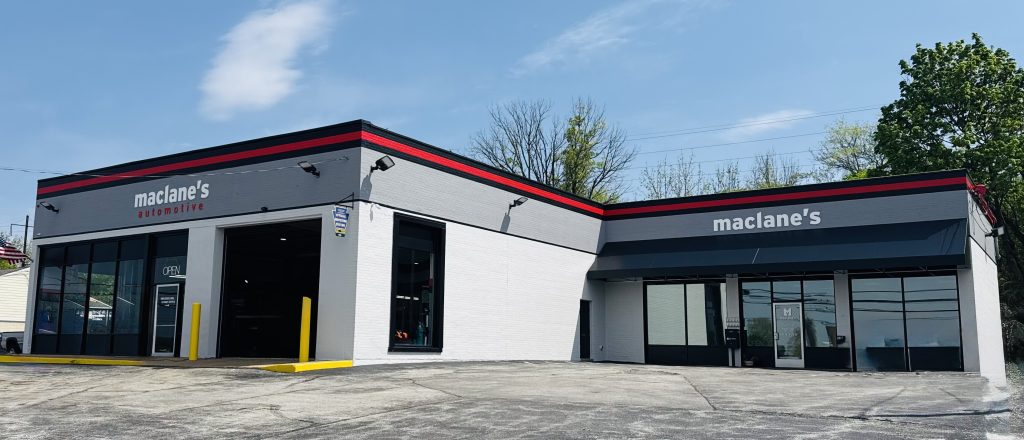
If you have ever taken your car to a shop and wondered what you pay for, you are far from being alone. While an auto mechanic is not just a person who changes some parts in your car, at Maclane’s Automotive, our main responsibility is keeping your automobile safe and working effectively, and protecting you from any unexpected costs caused by ignoring some minor issues with your vehicle.
Here is what a real mechanic does before repairing your car or truck.
What Do We Consider When We Start Working?
Every professional mechanic always starts by asking you a few questions regarding the issues you notice, the period when they occurred, and any recent changes made to your automobile. Such a conversation helps shorten the diagnosis process as symptoms of various issues follow certain patterns.
Further on, we conduct an inspection to find out if your vehicle shows any signs of irregular tire wear, leakage, illuminated warning lights, damage to lenses, and other factors indicating potential hazards. What is more, we inspect basic systems inside the engine to see whether you have enough coolant, lubricant, or battery power.
Diagnosing the Issue Correctly
Replacing parts without proper diagnostics will only result in unnecessary expenses. A quality repair starts with diagnosing the problem using various techniques, including experience, tests, and information provided by the manufacturer.
For newer vehicles, scan tools help us read trouble codes and live data, but codes are not the full story. A code can point to a system, not a single failed part. That is why we verify with real tests like checking fuel trims, measuring sensor signals, testing battery and charging output, smoke-testing vacuum leaks, or verifying cooling system pressure.
For noises, vibrations, and handling issues, we road test when needed and inspect components in the same conditions that produce the concern. A wheel bearing, for example, can sound like tire noise unless you know how to load the suspension and listen for changes. Good diagnosis is about proving the failure before recommending the fix.
What Routine Maintenance Really Includes?
Maintenance is not just an oil change. When done correctly, it is a planned way to prevent breakdowns and extend the life of expensive components.
While conducting diagnostics during regular maintenance, we check if all your fluids are in the required conditions, if there are any leakages, how old and efficient your belts and hoses are, check brakes and tires, and see whether any services are required, considering your driving habits. As such, maintenance for a truck used to tow trailers will definitely be different from maintenance for a sedan used to commute.
Here are a few maintenance items that make a big difference over time:
- Oil and filter service done at the right interval for your engine and driving habits
- Brake inspections that catch pad wear, rotor issues, and sticking calipers early
- Cooling system checks to prevent overheating, leaks, and head gasket damage
- Transmission and driveline service when recommended, especially for trucks and towing
- Tire rotation and alignment checks to improve handling and reduce tire costs
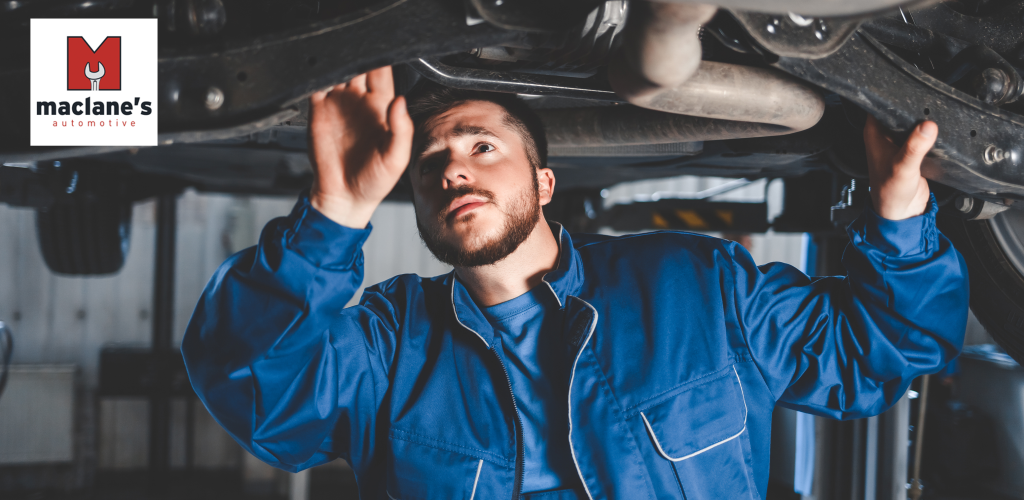
How We Keep Repairs Safe And Built To Last
It goes without saying that a quality mechanic approaches every repair the same way they would approach fixing their own vehicle. As such, you should expect us to use only appropriate parts, apply the right torque values, and take care of any related issues.
Thus, if you hear brakes grinding in your car, simply replacing pads is probably not enough. We inspect the condition of rotors, the operation of calipers, check brake fluid condition, and the condition of any other hardware. If we find a suspension component loose in your vehicle, we also inspect others because it usually means worn-out shocks, ball joints, and tie rods are also present. This way, we avoid additional repairs and any uneven wear.
Finally, we verify our work by bleeding your brakes if needed, checking whether there are any leaks in your car, deleting error codes after repairs, and carrying out a final road test.
Communication And Transparency You Should Expect
A quality mechanic informs you clearly of what kind of issues occur with your vehicle and how urgent the repair is.
We also believe in clear estimates and honest recommendations. If there are options, we talk through them. Sometimes the smartest move is a repair that keeps your vehicle safe and dependable without overspending, especially if you plan to sell the vehicle soon or you are trying to get another year or two out of it.
The Difference Between Fixing Symptoms And Fixing The Cause
One of the biggest value points of a good mechanic is solving the root cause, not just the complaint.
A common example is a recurring check engine light. You might replace an oxygen sensor because of a code, but the real cause could be an exhaust leak or a vacuum leak creating a lean condition. Another example is repeated battery failures. The battery might be fine, but a parasitic draw, weak alternator, or corroded cables can keep killing it. Good mechanics chase the reason the problem happened, so you are not paying for the same repair twice.
Let’s Get Your Vehicle Taken Care Of The Right Way
Your car or truck is one of your most important assets, and you can’t afford to take chances with it. For professionals that makes correct diagnoses, properly maintains, and safely and efficiently repairs your vehicle, contact us at Maclane’s Automotive in Malvern, PA, at (484) 321-8137 today!