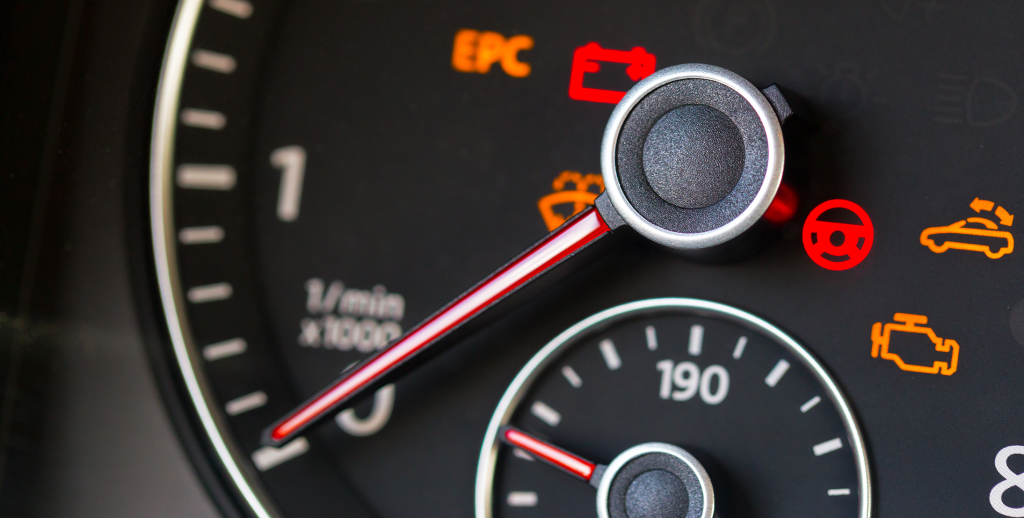
The winter season often causes hidden damage to vehicles, which we have seen Malvern, PA, residents already experiencing! The temperature drops below freezing during one week, and then the next week brings damp weather, and you accidentally hit a hidden pothole that appeared without warning. So, when warmer weather comes along, people tend to discover new things with their cars. A warning light that didn’t used to be on. A “sensor” message that pops up randomly. Tire pressure warnings that won’t go away even after you add air. Maybe a traction control light, ABS light, or check engine light that decides to appear right when the weather improves.
So the big question we hear all the time is this: do I need my car sensors and dashboard errors cleared after winter, or do I need repairs?
Continue reading for the real answer we share every day at our shop. Sometimes, clearing codes is fine as a first step. Other times, clearing the warning is like turning off a smoke alarm while the kitchen is still on fire. And winter conditions can create both kinds of situations.
Why Winter Triggers So Many Sensor Warnings In The First Place
Modern vehicles contain multiple sensors that monitor their performance. The system includes wheel speed sensors that support ABS and traction control, oxygen sensors that control fuel trim, temperature sensors, battery monitoring sensors, tire TPMS sensors, steering angle sensors, and both cameras and radar systems, which provide driver assistance.
Most of them work properly, but wintertime conditions create additional pressures that result in dashboard alerts appearing. Cold temperatures cause battery power drops, which make electronic devices function erratically for brief periods. Road salt and slush can infiltrate connectors, which results in corrosion. Moisture can freeze and expand around wiring or sensor mounting points. And potholes or curb taps can damage components that are exposed underneath, like wheel speed sensor wiring or suspension parts that affect alignment and stability control readings.
The connector corroded further while the battery lost strength, and the damaged wire suffered an internal break, which caused the initial winter issue to develop into a full equipment failure. The immediate resolution of these problems becomes vital because it protects against future, more serious complications. You must exercise extreme caution when handling frozen doors that are stuck for winter reasons because any improper movement will lead to more harm.
Clearing The Warning Light: What It Does And What It Doesn’t Do
When someone says “clear the errors,” they usually mean clearing stored diagnostic trouble codes (DTCs) using a scan tool. We do that all the time, but we do it for a reason, not just to make the light go away.
The process of clearing codes only removes the dashboard symptoms that you currently observe. The process does not fix anything beyond that point. The code returns to normal operation when the system detects the existing issue again which can happen either after a single drive or after multiple driving periods. The process of clearing codes on specific systems will erase important diagnostic evidence, which we needed to identify the problem more efficiently.
That said, there are times when clearing codes makes sense:
- If the code was triggered by a low-voltage event (like a weak battery on a brutally cold morning) and everything tests healthy afterward
- If a connector was wet or icy and now it’s dry and stable again
- If the code is historical, not current, and all readiness monitors and test results check out normally after a road test
So yes, sometimes a winter warning can be a one-time hiccup. But we don’t guess. We verify.
The Warnings We Commonly See Right After Winter (And What They Usually Mean)
Every car is different, but there are a handful of patterns we see repeatedly after a rough season.
The tire pressure light keeps coming back on
This is the classic springtime complaint. Tire pressure drops with temperature. Then you add air, the light shuts off, and a week later it’s back. A lot of people assume the TPMS sensor is failing.
Sometimes it is, especially if the sensors are older or a battery inside the sensor is near the end of its life. But other times the issue is simpler. A slow leak from a nail, a bead leak from corrosion on the wheel, or even a valve stem issue. Winter road salt can speed up corrosion around the rim, and that can create a slow leak you don’t notice until the temperature swings stop.
If we just clear the warning without finding the leak, you’ll be right back where you started, and now you’re also risking uneven tire wear or a blowout.
Check engine light that appeared during cold weather and never left
Cold starts can highlight weak ignition components, fuel delivery issues, or vacuum leaks. If your check engine light came on during winter and stayed on into spring, it’s usually not a “reset and forget it” situation.
We regularly see things like EVAP codes that show up when gas caps don’t seal well, or purge valves that stick. We also see misfire codes from spark plugs and coils that are getting tired. Winter may have been the moment the system finally noticed the weakness, but spring won’t fix it.
ABS and traction control lights after snow, salt, and potholes
ABS and traction control depend heavily on wheel speed sensors and tone rings. After winter, we often find damaged sensor wiring near the wheel, corrosion in the connector, or debris buildup affecting readings. Pothole hits can also cause bearing issues, and some wheel speed sensors read through the bearing assembly, so a failing bearing can start throwing speed sensor codes.
This is one area where we don’t like “just clearing it.” ABS and traction control warnings can be tied to real safety issues, and if your ABS is disabled, you may not realize it until you need it.
Battery and charging system messages
Cold weather is hard on batteries. If your vehicle is a few years old and you noticed slow cranking during winter, spring is a good time to test the battery properly. A lot of battery-related messages are not fixed by clearing codes. If the battery is weak, it’s weak.
And here’s something people don’t always connect: low voltage can cause random, confusing warning lights across multiple systems. We’ve seen cars light up like a Christmas tree because the battery voltage is unstable. Once we fix the root cause, the other “sensor” warnings often disappear on their own.

When Clearing Codes Is A Bad Idea (Or At Least, Not The Whole Plan)
I’ll be blunt. If a warning light is on, it’s there for a reason. Even if it feels minor, your vehicle is telling you something it detected outside normal limits.
Clearing codes without addressing the cause can create a few problems:
First, you might keep driving with a real safety issue. ABS, airbag, brake system, and stability control warnings fall into this category.
Second, you can hide an intermittent problem until it becomes a bigger repair. A small misfire can become a catalytic converter problem if it goes on long enough. A minor charging issue can leave you stranded.
Third, clearing codes can reset readiness monitors. If you have emissions testing coming up, that can be a headache because your car may need time and specific drive cycles before it’s “ready” again.
If you’re trying to decide if you should clear it or fix it, the better approach is: diagnose it first, then decide what makes sense.
What We Do At Our Shop To Figure Out The Real Story
At Maclane’s Automotive, we’re a family-owned shop, and we care a lot about doing repairs right the first time. That usually starts with slowing down and getting accurate information, not throwing parts at the vehicle, and not clearing warnings just to make the dashboard look nicer.
When a vehicle comes in after winter with warning lights or sensor messages, we normally look at:
- We scan for codes and check if they’re current, pending, or historical.
- We look at freeze frame data when it’s available, because it tells us what the car was doing when the fault occurred.
- We check live data readings to see if a sensor is lying or if the system is responding correctly.
- We inspect wiring and connectors in common trouble spots, especially around wheels and undercarriage areas that take the most winter abuse.
And then we take it a step further. We try to confirm the issue with real-world testing. Road testing when needed. Smoke testing for intake or EVAP leaks. Battery and charging tests. Physical inspection for damaged components from potholes. That part matters because winter damage is often mechanical and electrical at the same time.
To help mitigate some of these issues during the winter months, we offer comprehensive winter car care services that ensure your vehicle remains in optimal condition despite harsh weather conditions.
A Few “Winter To Spring” Situations We See All The Time
Sometimes someone comes in convinced they “just need the light cleared.” Then we find something else that actually explains the whole thing.
We’ve seen tire pressure lights that were blamed on sensors, but it was a tiny screw in the tread. We’ve seen traction control lights that started after snowstorms, and the real cause was a cracked wheel speed sensor wire that finally failed after weeks of slush and freezing temperatures. We’ve seen check engine lights that showed up after a few hard cold starts, and it turned out the battery was weak, and the system voltage was dropping enough to confuse multiple modules.
In those cases, clearing the code would have been temporary at best. Fixing the actual issue is what keeps the warning from returning.
So… Do You Need It Cleared, Repaired, Or Both?
You can clear the code that exists in your system after you complete basic checks if your warning light appeared once during extreme cold, and your vehicle currently operates without faults, and the system stores the code as historical data. Our pro technicians view any issue that causes warning lights to stay active or return, or which affects braking, airbags, steering, charging, or engine performance, as an actual diagnostic problem that needs to be fixed properly. People believe winter creates false problems because they hope to discover hidden issues. It just pushes weak parts and vulnerable wiring over the edge.
People should resolve minor repairs immediately instead of delaying their work until they experience bad weather, plan a road trip, or reach their inspection deadline. The method creates two benefits for you because it prevents future problems while allowing you to decide between car repairs and vehicle replacement.
The Easiest Next Step If You’re Unsure
The dashboard warning requires investigation because you need to determine whether it signals a serious problem or represents winter waste. Our team will explain our findings using common language while we deliver trustworthy vehicle repairs that ensure your vehicle remains operational. To schedule a diagnostic test or make a quick inquiry about your dashboard display, contact us at Maclane’s Automotive in Malvern, PA, by dialing (610) 590-9974 today. We will determine whether your device requires a basic reset, a minor repair, or an extensive restoration procedure, which we will execute correctly during our initial attempt.
FAQs
Why do so many car sensor warnings appear after winter in Chester County?
Frozen wiring operates as a permanent danger during wintertime because cold weather, road salt, moisture, and potholes create conditions that allow batteries to lose voltage, connectors to corrode, and sensors to sustain physical damage. The system generates dashboard warnings, which activate for ABS, traction control, tire pressure, and engine systems, because these elements work together to create dashboard warnings.
Is it safe to just clear my car’s warning lights after winter without repairs?
The system only temporarily resolves the issue because it clears warning codes, which function as symptoms of the underlying problems. The warning system will probably reactivate if the issue continues to exist. It is suitable to delete codes when the problem resulted from a temporary cold-weather or moisture-based system failure, yet it is critical to perform accurate evaluation to guarantee that actual issues do not remain unrecognized.
What common sensor warnings should I expect after winter, and what do they usually mean?
Common post-winter warnings include tire pressure light due to leaks or sensor battery issues; check engine light from weak ignition components or fuel system problems highlighted by cold starts; and ABS or traction control lights caused by damaged wheel speed sensor wiring, corrosion, or bearing issues from pothole impacts.
Why does the tire pressure warning light keep coming back after I add air in the spring?
The tire pressure of a vehicle experiences changes because of temperature variations. The tire warning system remains active because of valve stem problems and slow leaks, which occur through nails and corrosion-caused bead leaks on rims. The warning will return after air is added because the leaks remain, which creates a danger of tire damage and blowouts.
How does winter affect my vehicle’s ABS and traction control systems?
Winter hazards like snow, salt, and potholes create risks that may lead to damage to wheel speed sensors and tone rings that serve essential functions in ABS and traction control systems. The sensor readings can become disrupted when corrosion develops in connectors and debris accumulates in the system. Pothole impacts may also harm wheel bearings that some sensors rely on, triggering dashboard warnings.
When is it appropriate to clear diagnostic trouble codes (DTCs) after winter?
DTCs should be cleared when the code was activated because of a temporary low-voltage situation that occurred during a cold morning with a weak battery. DTCs should be cleared when the system shows historical codes, and all system readiness monitors work properly after testing. The diagnostic process confirms that clearing DTCs will proceed without any safety risks.
