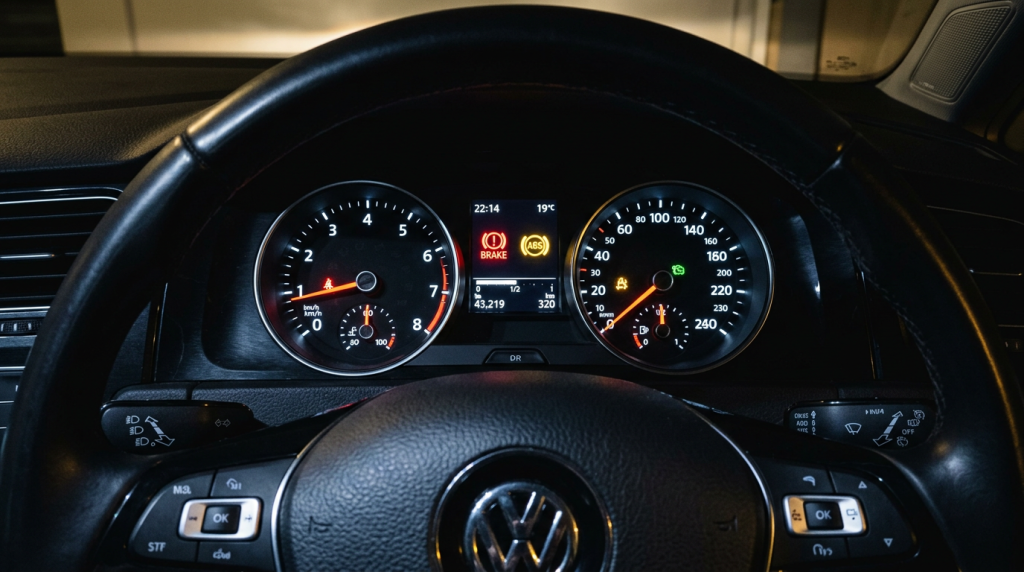
When your car brakes start making noise, your pedal feels soft or, it takes longer to stop it is not just annoying. It is a safety issue that can put you, your passengers and everyone else on the road at risk. As a team that works with car and truck owners every day, we know the hardest part is not always the repair itself. It is figuring out who to trust when you search for brake repair near you and you are trying to make a smart decision fast.
Brake service can range from a pad replacement to a deeper issue involving rotors, calipers, brake fluid, hoses or even ABS diagnostics. Two shops can quote different prices for what sounds like the same job and the quality can vary just as much. The good news is you can avoid most of the mistakes by knowing what to look for before you approve any work.
Below are the top things we recommend checking so you can choose a brake repair shop with confidence and get back on the road safely.
Clear Signs The Shop Takes Brake Safety Seriously
Look for signs the shop takes brake safety seriously. A professional brake shop does not treat brakes like another add-on service. Brakes are a safety system and the way a shop approaches the inspection tells you a lot about what the rest of the experience will be like.
A good starting point is whether they ask the questions before they even pull the wheels. For example they should ask what you are noticing when it happens and whether it changes with speed, temperature or braking pressure. If you mention grinding, vibration pulling to one side or a warning light the response should be calm and specific not vague.
You also want to see a shop that’s willing to explain what they are checking. A proper brake inspection usually means more than looking at pad thickness. It includes rotor condition, caliper operation, brake fluid condition, brake hose health and the hardware that supports even braking.
A Thorough Brake Inspection Before Any Quote
A thorough brake inspection before any quote is one of the differences between average and professional brake repair. We recommend choosing a shop that inspects first and prices second. That approach protects you from paying for parts you do not need and helps catch issues that could cause wear after the repair.
A thorough inspection often includes measuring brake pad and rotor thickness checking rotor runout or surface condition inspecting calipers for sticking or leakage and confirming the condition of the brake fluid. On trucks and heavier vehicles it is also important to confirm the braking system is matched to the vehicle’s load demands and that nothing is overheating from towing or hauling patterns.
If a shop is willing to show you what they found, better. Many reputable shops will walk you to the vehicle show you the components and explain what is urgent versus what can be planned. That kind of transparency is worth a lot especially when you are making a decision that affects safety.
Straightforward Explanations You Can Actually Understand
Look for explanations you can actually understand. Brake systems are not mysterious. Some shops make them sound that way. A professional team should be able to explain the problem and the fix in language. You should leave the conversation understanding what failed what they recommend doing. Why it matters.
For example if you are feeling a shake in the steering wheel during braking a good shop might explain that rotors can develop wear or heat spots and resurfacing is not always the right answer depending on thickness and condition. If your pedal feels spongy they should talk about air or moisture in the brake fluid and why a brake fluid exchange or bleed may be needed.
Pay attention to whether they pressure you or educate you. You should feel like you are being guided, not sold.
Quality Parts That Match How You Drive
Choose a shop that offers quality parts that match how you drive. Not all brake parts are equal and “cheap” brakes often cost more over time. A professional brake repair shop should be able to offer quality options and recommend what fits your vehicle and driving style.
If you commute in stop-and-go traffic you may need pads that handle heat well and stay quiet. If you drive a truck, tow or carry tools and payload you may need higher-duty friction material and rotors that can handle repeated braking under load. If you prioritize wheels and low dust that can also influence pad choice.
A trustworthy shop should be honest about what they’re installing. If they avoid naming brands cannot explain the difference between options. Will only install the absolute cheapest parts be cautious. Your brakes are not the place to gamble.
Pricing That Is Detailed, Not Just A Number
Look for pricing that is detailed, not a number. Brake repair pricing should not feel like a mystery. Professional shops typically provide an estimate that breaks down labor, parts and any related services. You should also see whether the quote includes hardware, proper lubrication points and rotor replacement or machining when needed.
When you compare estimates make sure you are comparing the scope of work. One quote may include pads while another includes pads, rotors, hardware, caliper service and brake fluid. A lower price is not a deal if it leaves out the work that keeps the repair safe and long-lasting.
We also recommend asking what could change the price after disassembly. Sometimes rotors are worse than they look with the wheel on or a caliper is found sticking. A professional shop will explain the “if we find this that” scenarios up front so you are not blindsided.
Proven Experience With Your Vehicle Type
Choose a shop with proven experience with your vehicle type. A shop that does work on small sedans may not be the best fit for a work truck that tows regularly and the reverse can also be true. When you are searching for brake repair near you look for a team that has experience with the kind of vehicle you drive. The way you use it.
This matters because brake problems show up depending on use. Fleet vehicles may eat through pads faster. Trucks that tow can overheat brakes and warp rotors. Vehicles that sit for periods can develop corrosion issues. A shop with hands-on experience will recognize patterns quickly. Recommend solutions that actually hold up.
Diagnostic Capability For ABS And Brake Warning Lights
Look for capability for ABS and brake warning lights. Brake repair is not always wear. Modern vehicles can trigger ABS, traction control or brake system warning lights for sensor issues module communication problems or hydraulic control faults. If your dash lights are on or if the brake pedal behavior changes unexpectedly you want a shop that can diagnose the system properly.
A professional shop should have the tools to scan pull codes and confirm the root cause of guessing. Replacing parts until the light turns off is expensive and frustrating. Proper diagnostics save time. Keep you safer.
Warranty Coverage And Honest Support After The Repair
Check for warranty coverage and honest support after the repair. A solid warranty is more than marketing. It is a signal that the shop’s confident in its work and parts. Ask what warranty coverage is included on parts and labor and what it covers in life. For example is it nationwide is it limited by mileage and does it cover noise concerns or only failures?
Also pay attention to how the shop talks about comebacks. With good parts and good work brake noise can happen due to bedding, rust or driving conditions. A professional team does not dismiss your concerns. They work with you to confirm what is normal and what needs adjustment.
Good Communication And Realistic Timing
Look for communication and realistic timing. Brake problems can be urgent. The repair still needs to be done correctly. A good shop will give you a timeline keep you updated and get your approval before adding work.
Communication matters more if your vehicle is used for work. If you rely on your truck, for jobs downtime costs money. A shop that respects that will help you plan explain parts availability. Prioritize safety-critical repairs first.
A Shop Culture That Values Clean Work And Attention To Detail
Choose a shop with a culture that values work and attention to detail. Some brake jobs look fine on paper. Fail early because of shortcuts. Things like not cleaning the hub face not servicing slide pins reusing hardware or skipping proper torque procedures can cause pulsation, uneven wear or noise.
You can often spot a quality-focused shop by the things: how organized the service area is, whether the team documents findings and whether they are willing to show you measurements. Professional brake repair is work and careful shops tend to operate carefully in general.
Quick Checklist Before You Choose A Brake Repair Shop
Here is a quick checklist before you choose a brake repair shop:
- Do they inspect first. Explain what they found clearly before quoting the full job?
- Do they recommend quality parts that match your vehicle, your driving and your budget. Can they explain the difference?
Common Brake Repairs You May Hear About
Some common brake repairs you may hear about include:
- Brake pad replacement often paired with rotor replacement or resurfacing if rotors are worn or damaged.
- Rotor replacement when thickness is low surfaces are. Vibration is caused by uneven wear.
- Caliper replacement if a caliper is sticking, leaking or causing pad wear.
- Brake fluid exchange or bleeding if fluid is contaminated with moisture or the pedal
Ready To Get Your Brakes Checked?
If your brakes are making noise, vibrating, pulling or just not feeling right do not. Hope the problem goes away. A professional inspection now can prevent damage later and help keep your car or truck safe every time you stop. Call (484) 321-8137 today to schedule your brake inspection and repair with Maclane’s Automotive in Malvern, PA. We will walk you through what we find explain your options clearly and help you get back on the road with confidence.
FAQs
What are the common signs that indicate my brakes need repair?
Common signs include squealing brakes, a brake pedal longer stopping distances grinding noises, vibration during braking pulling to one side or warning lights on your dashboard. These symptoms are not just annoying but serious safety issues that require prompt professional attention from a brake repair shop.
How can I identify a brake repair shop?
A trustworthy brake repair shop takes brake safety seriously. They ask questions about your braking concerns before inspection. They conduct brake inspections checking rotors, calipers, brake fluid, hoses and hardware. They provide explanations in plain language without rushing to quotes or repairs. This is what you should expect from a brake repair shop.
What should a thorough brake inspection include before getting a repair estimate?
A thorough brake inspection typically includes measuring the thickness of brake pads and rotors. It also includes checking rotor runout and surface condition inspecting calipers for sticking or leaks assessing the condition of brake fluid and hoses. The inspection ensures the braking system matches your vehicles load demands. For trucks and heavy vehicles it also involves checking for overheating due to towing or hauling.
Why is it important for a brake shop to explain repairs in terms?
Brake systems can be complex.. A professional shop should explain problems and fixes in straightforward language. This way you understand what failed what repairs are recommended and why they matter. This transparency helps you make decisions without feeling pressured or confused by technical jargon from the brake shop.
How do quality brake parts affect my vehicle’s braking performance?
Quality brake parts tailored to your driving style and vehicle type ensure heat handling, quieter operation longer lifespan and safer braking. For example stop-and-go commuters may need heat- pads. Trucks that tow require heavy-duty materials. Avoid shops that only offer the parts without explaining options or brands.
What should I expect in a brake repair pricing estimate?
A detailed pricing estimate should break down labor costs, parts prices, including pads, rotors, hardware. It should also include services like lubrication or caliper servicing. The estimate should clarify whether rotor machining or replacement is included. It should also clarify price changes after disassembly if additional issues, like stuck calipers are found. This way you avoid surprises from the brake repair shop.