
Most of us have been in that spot before. We bring a car in because something feels off, and we get a call later with a list of repairs that sounds… expensive. Maybe it’s accurate. Maybe it’s not. Either way, it’s hard to feel confident when we can’t actually see what the technician is seeing.
That’s the whole reason we use photo-based Digital Vehicle Inspections here at Maclane’s Automotive. The organization has a single objective. Our purpose is to create a system that allows you to track vehicle status and verify issues through personal observation, which enables you to make decisions without feeling pressured or manipulated.
What A Digital Vehicle Inspection Really Is
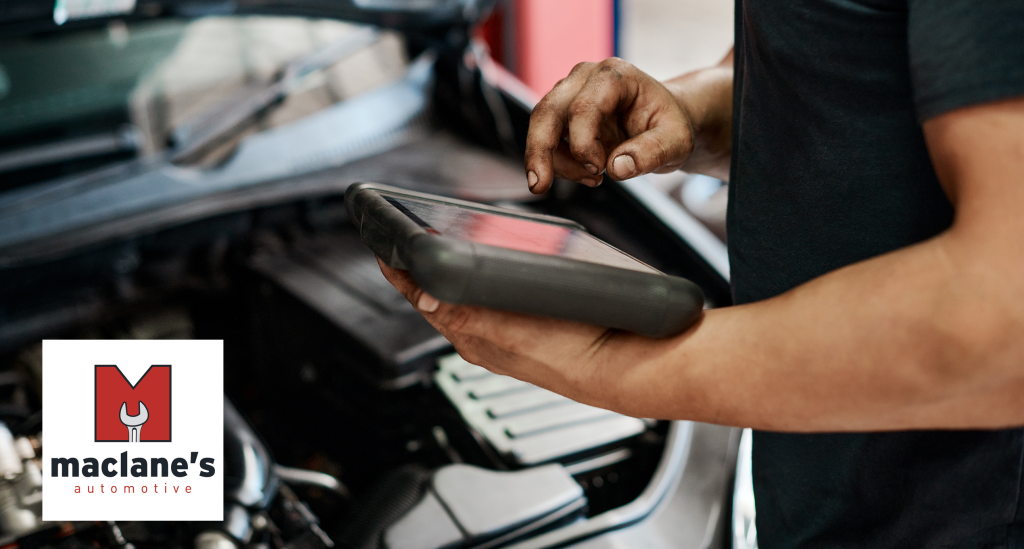
A Digital Vehicle Inspection or DVI provides a comprehensive vehicle assessment, which our team documents throughout the process. We provide a complete report that contains all our findings and includes photographic evidence, simple language notes, an urgent situation assessment, and a non-urgent situation evaluation.
And that part matters. Because a verbal explanation can be confusing, especially when it’s about components most people never see. With our photo-based DVIs, we can show you the cracked belt, the leaking strut, the worn brake pad, and the tire wear pattern. The report becomes the conversation, not a sales pitch.
We’ve had first-time customers tell us they were genuinely surprised to get pictures of issues under the hood, and that it immediately made the process feel more honest. That reaction makes sense. When we can see the problem, we can stop guessing.
Why Photos Make The Difference For Trust
Photos don’t replace our expertise; they make it easier to share it.
When we take pictures during an inspection, we’re doing a few helpful things at once. We’re documenting the condition of your vehicle on that day. We’re giving you a way to confirm what we’re recommending. And we’re saving you from having to interpret a vague description like “front brakes are low” without context.
A lot of repair decisions come down to one question. Is this actually needed right now, or can we plan it?
A picture helps answer that fast. If we show you brake pads that are almost down to metal, it’s pretty clear why we’re calling it a safety priority. If we show you a small seep at a gasket that isn’t actively dripping, that’s usually a plan-ahead item, not a panic item. Either way, you’re not taking our word for it alone. You’re seeing it.
What We Check During Our Photo-Based DVI
We run DVIs with a bumper-to-bumper mindset. The assessment process needs to identify safety hazards and components that show signs of wear, all leaks, and existing damage, together with all potential future repair needs. The assessment process needs to track all elements that affect driving performance through their impact on steering responsiveness, tire damage, and the presence of visible corrosion. Our inspection process includes checking fluids and brakes, together with examining components that are typically overlooked by fast oil change facilities. Things like suspension joints, boots, exhaust condition, battery health, and signs of uneven tire wear that point to alignment issues.
Here’s the main idea of what we’re looking at every time:
- Under The Hood: fluid levels and condition, belts and hoses, battery and charging system basics, visible leaks or seepage
- Under The Vehicle And Around It: brakes and rotors, steering and suspension components, exhaust and driveline, tires and tread wear patterns, lights and signals
We don’t include items just to pad a list. If something shows up in your report, it’s because we saw it and documented it.
How We Organize The Results So They’re Easy To Act On
One of the most frustrating parts of car ownership is not knowing what to do first. Even when the information is accurate, it can feel like everything is urgent when it’s delivered as a long list.
Our DVI reports are designed to reduce that stress. We separate findings into clear categories so you can make a decision based on safety, timing, and budget.
Immediate Needs
These are items that affect safety or drivability, or could cause damage if we keep running the vehicle the same way. Brake issues, major leaks, severe tire wear, steering problems, or anything that’s likely to leave us stranded often fall into this group.
When we mark something as immediate, we also explain why. Not just “it’s bad,” but what could happen if we delay it.
For instance, if we’re facing cold-weather transmission problems here in early February, it’s crucial to address them immediately to avoid further complications.
Plan Ahead
This is where we put items that are worn, aging, or starting to show early signs of failure, but not at the point where they’re unsafe today. We might recommend scheduling them soon, or handling them at the next service visit, depending on how you drive and what the vehicle is used for.
This category is one of the biggest reasons people say they feel comfortable with our inspections. It’s honest. It recognizes that not everything is a crisis, even if it should be on our radar.
We also provide guidance for potential used car purchases, highlighting essential checks to avoid unwanted problems in future ownership.
All Good
We also call out what’s in good shape. That sounds small, but it matters. When we confirm that tires are wearing evenly, or brakes still have a healthy life, or a battery is testing strong, it builds confidence that we’re actually inspecting the whole vehicle, not just searching for repairs.
Real World Examples Of “Confirming The Problem”
We see a few common situations where photos completely change how a customer feels about a repair recommendation.
One is brakes. Many drivers can’t easily tell the difference between “still fine” and “down to the last little bit.” A close-up photo of pad thickness next to the rotor surface makes it click immediately, especially when there’s uneven wear that points to a sticking caliper or slide hardware problem.
Another one is tires. A customer might come in thinking they “just need tires,” but the photo shows inside edge wear that suggests alignment is off, or a suspension component is loose. Now the tire replacement recommendation has context. It’s not only about selling tires, but it’s also about stopping the new set from wearing out early.
Leaks are another big one. A picture showing fresh wet oil around a valve cover or along a pan edge is very different than hearing “there’s a leak somewhere.” With a DVI, we can show where it’s coming from, how severe it is, and whether it’s active dripping or just a slow seep we should monitor.
How DVIs Help Us Build A Better Long-Term Maintenance Plan?
A DVI is helpful today, but it’s also valuable later.
Because your inspection history is stored digitally, we can compare notes over time. The system enables users to identify patterns and changes, which include a returning tire wear problem, a progressively worsening fluid seep, and an abnormal brake wear pattern. The system provides an effective method for documentation of all vehicle repairs together with their respective dates, which becomes essential for shared family vehicles and multiple maintenance supervisors.
This ongoing record helps protect your investment. It supports preventative maintenance instead of surprise breakdowns. And it keeps everyone on the same page, including anyone who wasn’t present at drop-off or pick-up.
For those looking to save on essential services like oil changes and inspections while maintaining their vehicles effectively with the best auto repair coupons in Downingtown, utilizing DVIs for long-term maintenance planning becomes even more beneficial.
What To Expect When We Send Your Inspection Report
We keep the process pretty straightforward. After we complete the inspection, we send the report digitally so you can review it on your phone or computer. We include photos, notes, and recommendations that are meant to be readable by normal humans, not just technicians.
If you have questions, we can talk through them. We can explain what you’re seeing in the photos, what the part does, and how soon we think it should be addressed. We’re not here to pressure anyone into a yes. We’re here to help you make a call that feels informed.
And if you decide to wait on some items, that’s okay. The report becomes a reference point we can use next time.
Quality Standards And Warranty Support
Trust is about communication, but it’s also about workmanship.
We’re a family-owned repair shop, and our reputation depends on doing the job right and keeping relationships strong. We stand behind our work with a 2-year or 24,000-mile parts and labor warranty, with restrictions that apply depending on the repair. We also operate as a PennDOT Enhanced Inspection Station and service all makes and models, so we’re used to working with a wide range of vehicles and keeping repairs aligned with safety and quality expectations.
Why Local Drivers Keep Coming Back
A lot of shops can fix cars. What people are usually looking for is a shop they can trust, especially when they don’t want to feel like they need to bring a second opinion just to feel safe agreeing to repairs.
We hear the same themes again and again from customers. They appreciate friendly service. They appreciate honest reports. They appreciate being able to see the problems through photos, so the whole experience feels clearer and less stressful. And honestly, that’s exactly what we’re trying to deliver every day.
Ready For A Clearer, photo-backed answer?
If you’re tired of guessing about car repairs, a photo-based Digital Vehicle Inspection is one of the easiest ways to get clarity fast. We can see what’s happening, understand what matters now versus later, and make decisions with way less stress.
If you want to schedule your next visit, call (610) 590-9974 and book with us at Maclane’s Automotive on Horseshoe Pike in PA. We’ll take the time to inspect it carefully, document it clearly, and help you confirm the problems before you approve anything.
