The cold weather season is always the period of time when most car owners will definitely notice a change in the their vehicle’s performance. One of the most common problems that shows up in the winter months is transmission failure. By understanding how winter affects your transmission and taking preventive measures, you can not only avoid costly repairs but also have a smoothly running car throughout the winter.
The Effect That Cold Weather Has on Your Transmission
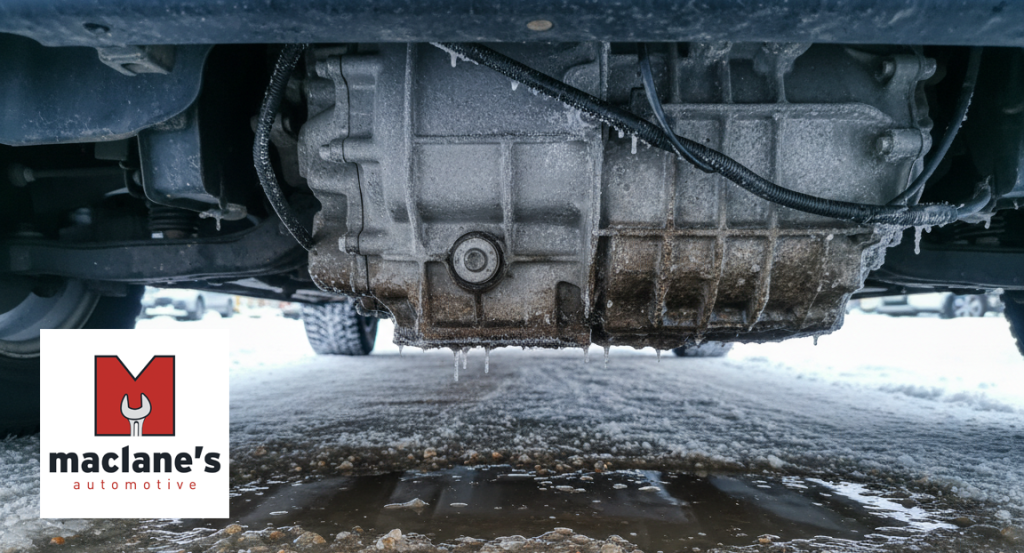
The transmission system is a hydraulic, fluid, and electronically controlled system in a vehicle. It’s very important and, under extremely cold conditions, will not be able to function at its best. Cars running at very low temperatures might also face the problems with thicker transmission oil, which will further limit the movement of the transmission’s internal components. The car could also show the following signs: shifting taking longer, rough and jerky movements during acceleration, and even occasional whining or clunking sounds from the car when it’s cold. In some of the worst cases, the transmission fluid might freeze up, and this could lead to heavy repair costs on your vehicle’s transmission!
One of the main symptoms that you will notice right away is the “slipping” of a cold transmission. This happens because the cold fluid has not built up enough pressure to totally engage the clutches and bands that are located inside the transmission. This causes temporary slippage that normally resolves when the vehicle is brought to the desired operating temperature. The occasional slippage during very cold weather conditions may not be an immediate sign of transmission failure, but frequent and persistent slipping is a sign that there is something more serious coming up, like low fluid, worn seals, or internal wear. A good workaround is to let your car run for a while before starting the actual driving when it’s really cold. This short idle time allows the transmission fluid to flow and warm up enough to be effective.
While cold weather has an impact on fluid, that’s not the only consequence; it directly affects almost every single part of the transmission. The changing temperatures cause the metal and rubber parts alternate between being hot and cold, which leads to stress on seals, gaskets, and connectors. Small leaks can come from this, and the leaks will become larger as the temperature changes. That being said, the moisture in your transmission can freeze overnight, causing either cracks or blocks in the fluid pathways. Regular transmission fluid maintenance (keeping it clean and moisture-free) and a flushing along with a system inspection before the onset of winter are very important for keeping such transmission-related problems at bay.
Understanding Transmission Fluid
Transmission fluid is really the most important element of the whole transmission system. It not only cools parts but also heats and maintains pressure for shifting. However, lower temperatures will lead to cold fluid becoming thicker; thus, this by analogy is like syrup being slower in pouring when it’s cold. As a result, the transmission will have to do more work to circulate the fluid, which will in turn lead to a number of problems, such as delays in shifting, rough or jerky movements during acceleration, and noise, such as whining or clunking, during cold starts.
That being said, temporary slipping until the fluid warms up is quite common.
To eliminate these problems, regular fluid checks and timely replacements are a must, and doing this before winter is the best way. Synthetic fluids are better at resisting freezing and will keep your transmission protected even in the coldest weather. Fresh synthetic transmission fluids are formulated in such a way that they can withstand colder temperatures and usually freeze only at around –60°F. Conventional fluids, on the other hand, can begin to gel or thicken significantly at –30°F to –40°F. If you live in areas that regularly see subzero temperatures, switching to a synthetic automatic transmission fluid (ATF) is one of the best cold-weather upgrades you can make.
Preventing Cold Weather Transmission Problems
Cold-weather transmission care comes down to smart maintenance and good driving habits. Here’s what you can do:
Check And Replace Fluid Regularly
Take a close look at your transmission fluid’s color and odor. The right fluid should be bright red and have a pleasant smell. On the other hand, if it has a dark or cloudy color and a burnt smell, then make an appointment for a change with us here at Maclane’s Automotive.
Go For Synthetic Transmission Fluid
Synthetic fluids, unlike conventional ones, work better in cold temperatures because they flow more easily and they also have better resistance against oxidation.
Warm Up Before Driving
First, turn the ignition of your car on and let it idle for a few minutes before moving. This way, the fluid in the gearbox will be circulated and will reach an effective temperature. Years of service seem to be a hassle-free thing. It is a lot cheaper and less expensive to maintain your vehicle than to replace a transmission, which might cost you quite a few thousand dollars. The preventive care is not only smart but also a must.
In case you observe any of the following problems, then it’s time to get a professional inspection done:
- Your transmission slips or hesitates even after warm-up
- You find puddles of fluid under your car
- You hear grinding, whining, or knocking sounds
- You experience hard or delayed shifting regularly
At Maclane’s Automotive, we have certified technicians who are very good at detecting problems with both automatic and manual transmissions. To make your vehicle work again quickly, safely, and efficiently, we employ cutting-edge diagnostic instruments to find the problem. We realize how vital a good transmission is during the tough winter months. This is the reason why we offer the best service and to make your vehicle the best it can be.
Protection Of Your Transmission During Winter
Does really cold weather impact your transmission? Yes, it does, and that is a fact! When the temperature is low, the thickening of the fluid and the increase of the stress on the components lead to shifting problems, especially if your system isn’t properly maintained. Still, the plus side is that most of the cold-weather transmission troubles are avoidable. You just need to do the following things: use synthetic fluid of good quality, warm up your car before driving it, and have regular maintenance here at Maclane’s Automotive. In this way, you won’t even notice when it gets very cold, as your transmission will be running smoothly all the time.
Avoid being surprised by cold weather. Take over winter before it takes over your car! Protect your investment by booking an inspection for your transmission today with us here at Maclane’s Automotive in Downingtown, PA. We will help you keep your vehicle safe on the road. Whether you just need a short look or extensive repairs, our team of technicians, who are the best in their field, are there to assist you. Book your appointment with us online or by phone- we are just a call away at (610) 590-9974. Together we will make sure your vehicle is ready for winter.
