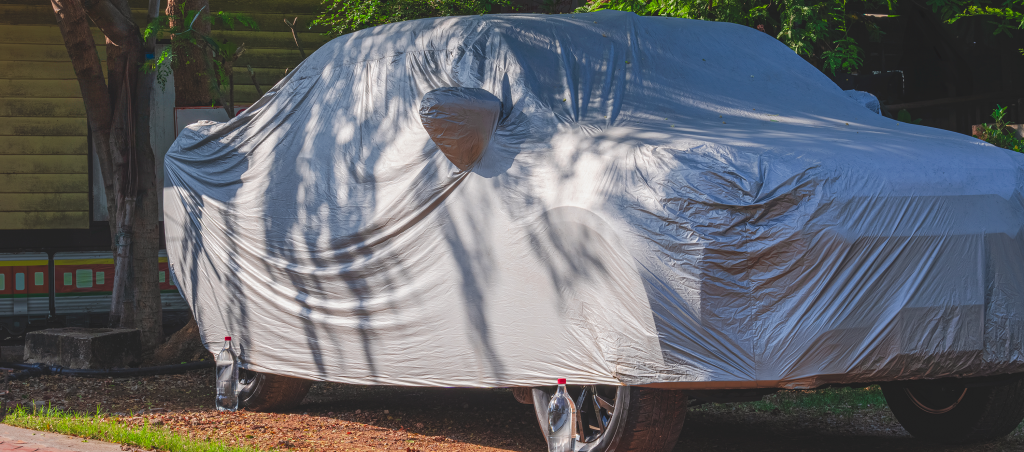
When fall rolls around and temperatures drop, non-garage car owners are at a disadvantage when it comes to shielding their cars from harsh weather. Your car is open to all natural attacks – snow and freezing rain to furious UV rays and moisture, which can wreak havoc on outer and inner parts.
No-garage car protection requires an active approach to car maintenance. The weather never goes on vacation, and neither should your commitment to regular fall car care. Cold temperatures drop battery capacity, wet pavement decreases tire traction, and temperature extremes can cause fluids to degrade at a greater-than-normal rate.
Regular maintenance is your top defense in optimizing auto lifespan and performance. A serviced vehicle not only rides nicer, but it also spares you the cost of costly unscheduled repairs when you don’t have the funds available to pay for them.
At Maclanes Auto in Downingtown, PA, we recognize the special needs you have as a no-garage vehicle owner. Our experienced technicians pride themselves on quality car repair and ongoing customer relationships. We’re here to assist you in making good plans for safeguarding your investment, regardless of what Mother Nature has in store.
Knowing How Weather Affects Cars
Fall and winter weather pose a special challenge to your car’s vital systems.
The Need for Cold Weather Battery Testing
When temperatures do dip, be sure to check your battery. At 32°F, your battery is at around 20% less capacity, and at 0°F, your battery loses as much as 50%. That big loss is what causes your engine to take more power to turn over and your battery to give less, making those awful mornings when your car simply refuses to start.
How Wet Road Conditions Affect Your Commute
Rainy days are a test of just how effectively your car’s safety features work. Rain decreases your tires’ traction by a lot, even more so if you use worn-out tires. Rain also impacts brakes since it places water on brake rotors and pads. You’ll need more room to stop on wet roads, so your brakes need to be at their best, and tire tread needs to be deep enough.
Preparing Your Car for Autumn Weather
To operate at their best level during autumn weather, preventative readiness is what they need. Engine oil thickens in cold temperatures, making your engine labor harder to crank over. Cooling systems take on extra stress as they attempt to keep engine temperature even in varying conditions. Rubber components such as belts and hoses stiffen and become vulnerable to cracking.
Planning ahead of time when bad weather is to come can prevent costly repairs, which most often stem from neglect. For instance, a new battery is $150 versus a $500 tow charge and lost workday. Fluid checks on a regular basis will detect small leaks before they become full-system failures. What keeps your car on the road during bad weather is all in the care you provide for it during not-so-bad weather.
Essential Vehicle Maintenance Tasks for No-Garage Owners
Because your car is always exposed to the elements, having the proper fluid levels is vital to avoid expensive repairs. Engine oil is vital to your car, and during the fall, it is crucial to have fresh oil to combat temperature changes and increased moisture. Cold starts in the morning are tough on your engine, so ensuring clean oil for easy starting and sufficient protection is crucial.
Regularly Check Your Oil and Fluid Levels
Your oil and fluid maintenance program should not be limited to the engine oil alone. Every fluid system in your car is also important to the performance of the vehicle:
Transmission fluid – Ensure it’s at the right level and check its color; if it’s dark or smells burnt, it needs attention
Brake fluid – This is critical for safety during rainy weather; look out for any contamination or low levels
Coolant – It prevents freezing and overheating; inspect hoses and connections for any leaks
Power steering fluid – This keeps your handling responsive on slippery roads
Routine checks will prevent you from being stuck on the side of the road. Check under your parked vehicle for leaks in the shape of pools or spots. Each fluid is a particular color – coolant is orange or green, transmission fluid is red, and brake fluid is amber to clear.
Protect Your Investment with Timely Repairs
Without the protection of a garage, your vehicle’s fluid systems must deal with cold temperatures and water intrusion. Fixing a fluid issue before it gets out of hand can stop a domino effect where one failed system ravages others. By taking this proactive step, you will be protecting your investment against expensive repairs.
Care for Wet Roads Tire and Brake System
Your tires are the only components of your car that will ever touch the ground, and hence, you should maintain them, particularly when parking outdoors in rainy autumn weather. If you have no garage to shield your car from water and temperature variations, your car is bound to destroy your tires fast.
Tire Maintenance
Some essential tire care maintenance to keep in mind in the fall season is as follows:
Check Tire Pressure Weekly: Check tire pressure on a weekly basis. Cold temperatures make tire air contract and lead to a loss of pressure by some amount of 1-2 PSI for every 10-degree drop in temperature. Remember that under-inflated tires on rainy roads are hazardous since they double the hydroplaning danger and lower gas mileage.
Check Tread Depth: Your tire tread depth is significant to be able to grip during rainy roads. You can do it by conducting the penny test: insert a penny into your tire’s grooves with Lincoln’s head facing downwards. If you are able to see the top of Lincoln’s head, your tires need to be replaced immediately. Your tires must have a 4/32″ tread depth minimum for optimal wet road driving.
Watch for Warning Symptoms: Look for any warning signs that your tire is experiencing an issue. They may include uneven wear patterns (which could indicate an alignment issue), cracks or bulges on the sidewall (as it has weathered rock and sun), visible foreign objects like nails or screws embedded in the tire, or unusual vibration while driving.
Brake System Maintenance
Apart from tire care, maintaining your brake system when it rains is equally important:
Check Brake Pads: Water may impact the function of brake pads and cause rust and rotors over time. Make sure you check brake pad thickness frequently and replace them as they fall below factory levels.
Be on the lookout for Warning Signs: Be on the lookout for warning signs of potential brake problems, such as spongy brake pedals (perhaps a warning sign of air in brake lines) or grinding sounds (a warning sign of worn brake components). These should be addressed as soon as possible because they can impair safety during rainy weather.
By recalling these tire and brake system maintenance tips, you’ll be able to ride safely on wet roads this fall.
Improving Visibility and Comfort During Rainy Weather
Good vision is essential when driving during torrential rains and fall gusts. Your windshield wipers are your ultimate protection from rain, sleet, and road debris that impairs your visibility of the road.
Windshield Wipers Replacement
Windshield wiper replacement should occur every six to twelve months, but fall weather requires extra attention to these vital components. Watch for these warning signs that indicate immediate replacement:
- Streaking or smearing across the windshield
- Chattering or skipping motions during operation
- Cracked or torn rubber blades
- Metal frame corrosion or bent components
Compounds that are resistant to cracking through changing temperatures. High-end designs include beam-style wipers that use balanced pressure on curved windshields, offering better water clearing than standard frame wipers.
Windshield Washer Fluid Check
Windshield washer fluid check is also necessary as rain combines with street dirt, salt, and fallen leaves to form a film that degrades visibility. Standard summer formulas won’t work during cooler months – you need specialized fall formulations that:
- Resist freezing in dropping temperatures
- Cut through bug residue and tree sap
- Remove road salt and winter debris effectively
Always keep your washer fluid reservoir filled and carry an additional bottle in the trunk. New wiper blades combined with good washer fluid provide clear vision that keeps you safe from harm in uncertain fall weather.
Protecting Your Car’s Exterior Without a Garage
If you don’t have a garage to park your car in, your car’s exterior is exposed to extreme weather conditions every day, which will ruin the paint and finish. Having no garage means you have to be actively protecting your investment from sun damage and rain damage.
UV Protection Strategies:
Wax your car with a premium car wax or use a ceramic coating every 3-4 months to build a protective barrier
Use an outdoor automobile cover that consists of UV-resistant materials
Park in the shade as much as possible, such as under trees or shaded parking structures
Portable carports or canopy shelters for your driveway
Moisture Protection Strategies:
Regular washing removes salt, dust, and acid pollutants that accelerate corrosion
Apply paint protection sealants that bead water and do not permit moisture to penetrate the clear coat
Inspect and repair paint chips simultaneously to prevent rust development
Keep the surface of your car clean and dry, particularly following snow or rain
Strategic Parking Decisions:
Park not under trees that shed sap, berries, or bird droppings
Park your car in a position such that the prevailing wind with debris will not expose it as much
Utilize windshield sunshades to shield interior surfaces against UV degradation
The key to maintaining the appearance of your car without protected storage is frequent maintenance and good protective products. Maintaining your car’s exterior on a regular basis prevents small issues from turning into costly repairs.
Taking Care of Your Car’s Interior Systems Too!
Your car’s interior systems deserve attention even when temperatures drop and you’re not cranking up the AC. Air conditioning system service in the fall might seem counterintuitive, but it’s actually one of the smartest preventive measures you can take for your vehicle’s long-term health.
Why You Need Fall AC Service
Without garage protection, moisture can easily find its way into your car’s ventilation system through various entry points.
Since your AC is not used for months, it is still a perfect breeding ground for:
Mold and mildew development in air ducts and evaporator coils
Bacterial growth that produces offensive odors
Internal AC components are corroding
Benefits of Periodic Running of Your AC
Periodic operation of your air conditioning machinery at times when it is cold helps maintain refrigerant circulation and prevent seals from drying out. That simple habit ensures liquids continue to circulate rather than staying trapped in remote crevices where problems develop.
What to Expect from Professional AC Service
Professional AC repair consists of checking the refrigerant level, hoses for leaks, and that your cabin air filter is free from dirt. A clean filter keeps impurities from entering the car’s interior while providing the right airflow.
Don’t Wait Until Next Summer
Don’t wait until next summer to discover your AC has developed issues. Seasonal fall maintenance anticipates small problems before they become expensive repairs, ensuring your interior stays fresh and comfortable year-round. Your riders will thank you in the spring when your AC works perfectly right out of the gate.
Exhaust System Inspection to Ensure Safety and Compliance Requirements
Your exhaust system works harder from fall’s temperature fluctuations and increased exposure to moisture. Without garage cover, your vehicle’s exhaust components are exposed to constant rain, road salt, and temperature spikes that accelerate wearing down. Exhaust system check-up and maintenance are required for safety and legal reasons.
Critical warning signs demanding immediate attention:
Rust and corrosion – Visible orange-brown patches on exhaust pipes, muffler, or catalytic converter
Unusual noises – Rattling, hissing, or loud rumbling sounds indicating internal damage
Visible holes or cracks – Any openings that allow gases to escape before proper filtration
Hanging or loose components – Exhaust parts sagging or touching the ground
Malfunctioning exhaust systems are a safety hazard. Leaks create an open invitation for lethal carbon monoxide to enter your cabin, especially when idling with closed-up windows on cold mornings. Also, faulty exhaust parts lower the performance of your engine and boost objectionable emissions, which cause your vehicle to fail necessary emissions tests.
Professional exhaust system service and repair nip problems before they become dangerous or expensive. Technicians inspect the whole system from manifold to tailpipe, inspecting mounting brackets, gaskets, and inner components. Rust spot and small leak detection early on means accurate repairs instead of full system replacement, saving you a lot of money while keeping your family safe on rainy fall roads.
Developing an All-Round Fall Car Maintenance Checklist for No-Garage Owners
If you have your car parked outdoors throughout the year, you should be particularly watchful for preventative car care advice in the autumn season. A routine approach allows you to find the possible problems before they become expensive repairs.
Your Essential Fall Maintenance Schedule
Monthly Checks:
- Battery terminals for corrosion and secure connections
- Tire pressure and visual tread inspection
- Fluid levels (oil, coolant, brake, windshield washer)
- Windshield wiper blade condition
Every 3 Months:
- Deep tire tread measurement using the penny test
- Brake pad thickness through wheel spokes
- Coolant system hoses for cracks or bulges
- Air filter condition and replacement if dirty
Before First Frost:
- Complete oil change with appropriate viscosity for cold weather
- Brake system fluid flush if overdue
- Exhaust system visual inspection for rust or damage
- Air conditioning system service to prevent off-season issues
Weather-Specific Preparations
Once the temperatures begin to fall, your parked-outside car presents special challenges. Test your battery’s cold cranking amps rating and replace it if it is older than three years. Use winter-blend windshield washer fluid that will not freeze in sub-zero temperatures.
Keep a service record in your glove box to document service dates and mileage. This record is useful when having a warranty issue or selling your car.
Choose Maclane’s Automotive
Protecting your vehicle from harsh weather elements without a garage requires dedication, but the investment pays off in longer-lasting and better-performing vehicles. The strategies outlined in this guide, from regular battery checks to exhaust system inspections, are your defense against expensive repairs and surprise breakdowns.
Your car faces unique challenges when exposed to the elements year-round. Cold temperatures drain battery capacity, wet conditions compromise tire grip, and moisture speeds up wear on important parts. By implementing these protective measures, you’re not just keeping your vehicle in good shape; you’re protecting your investment and ensuring dependable transportation when you need it most.
We at Maclane’s Auto Repair, Downingtown PA, understand the specific challenges faced by drivers without garage protection. Our experienced technicians provide thorough inspections and services that keep your vehicle in excellent condition, no matter the weather. We offer everything from routine oil changes to complex brake system repairs, serving as your trusted alternative to dealership pricing.
Remember, regular maintenance is always better than waiting for something to break and then fixing it. Paying attention to your vehicle’s needs regularly, such as checking fluid levels, inspecting tires, or servicing the air conditioning system—stops small problems from turning into big expenses.
Don’t let not having a garage hurt your vehicle’s health. Take action today and give us a call at (610) 590-9974 to protect your car from the elements and enjoy reliable performance in every season.
