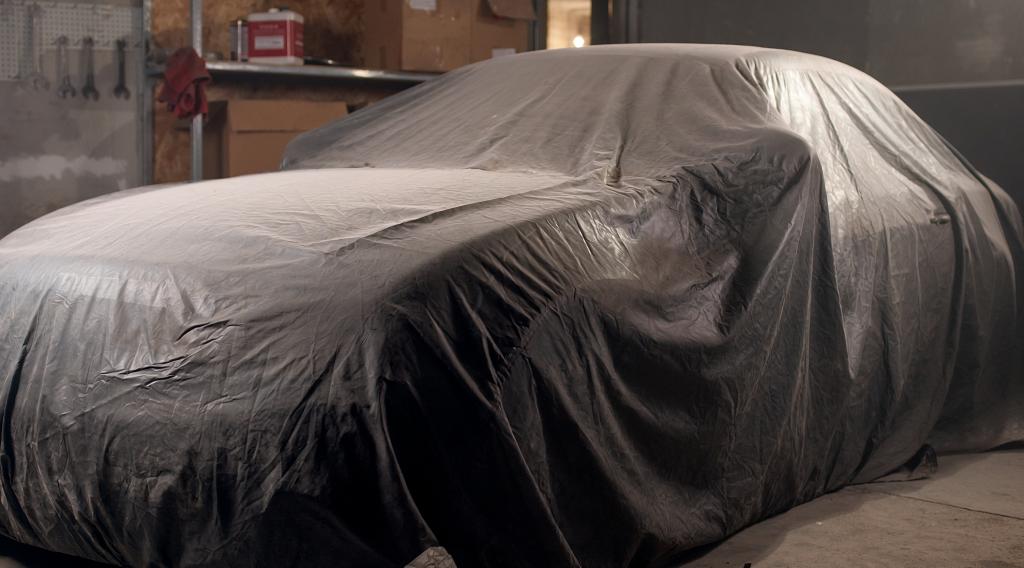
Life happens. People travel for work, get deployed overseas, deal with a medical issue, or keep a “summer car” tucked away once the weather turns. And at some point, the same question comes up.
How long can a car sit unused before it starts causing problems?
The honest answer is that some issues can start in as little as a couple of weeks, and after a month or two, the risk climbs fast depending on the car, the weather (especially how cold weather affects car fluids), and how it was parked. The good news is that most of the damage is preventable if people do a few simple things before it sits, and then handle the restart the right way.
When Problems Usually Start (A Realistic Timeline)
There is no perfect stopwatch for this, but there are patterns we see again and again in the shop.
Two Weeks: The “Nothing Happened” Stage (Usually)
In the first week or two, most vehicles seem fine. But even here, some batteries start dropping if the battery is older, the weather is cold, or the vehicle has more electronics pulling standby power. Modern cars can have small parasitic draws that add up.
It is also when brake rotors start getting a light film of surface rust if the car is outside. That surface rust often cleans off after a normal drive, but it is still the beginning of the “sitting effects.”
One Month: Batteries And Brakes Start Complaining
Around the 3 to 4 week mark, battery drain is the most common reason a car will not start. People come back, turn the key, and it clicks, clicks, clicks, or just nothing. That is not a fun surprise when people are already exhausted from travel.
Brakes can also begin to feel rough if the vehicle sat in damp conditions. And if it sits outside under trees, this is where we start hearing about pests, too. A quiet engine bay looks like a great apartment to the wrong kind of guests.
If you encounter such a scenario where your car won’t start or is revving on its own while idling, it’s crucial to seek expert advice and not panic.
Two To Three Months: Flat Spots, Fuel Quality, Rubber Drying
After a couple of months, tire flat spots become more likely, especially on lower-profile tires or heavier vehicles. Sometimes they smooth out after driving, sometimes they do not. People often describe it as a vibration that was not there before.
Fuel can also start losing its “freshness.” It is not always catastrophic at this point, but stale fuel and moisture in the tank can create rough starts, hesitation, or misfires. At the same time, rubber seals and gaskets that like regular lubrication can start drying out and shrinking a bit.
Six Months And Beyond: Storage Mode Becomes A Repair Risk
When a car sits for half a year or longer without prep, we see more expensive stuff. Batteries fail outright. Tires can develop permanent flat spotting or sidewall issues. Fluids degrade. Seals can leak. Brake components can seize, especially parking brake systems, depending on design and corrosion exposure.
And one of the worst parts is the safety angle. A vehicle may start and move, but that does not mean it is safe to drive at highway speed. A stuck caliper, dry-rotted tire, or chewed wiring harness can turn into a hazardous situation quickly.
What Sitting Does To A Car (And Why It Gets Expensive)
Cars are meant to be used. Not abused, not driven hard every day, just used. When they sit, a few predictable systems take the hit.
Battery Drain And No-Start Situations
Even when a car is “off,” it is not really off. There are computers, security modules, clocks, and memory systems pulling power. Over time, the battery voltage drops. Once a battery sits in a low state of charge for too long, it can sulfate internally and lose capacity permanently.
So people can jump it, drive it, and still find it dead again later. That is when the “It was fine before we left” frustration hits.
Tire Flat Spots And Pressure Loss
Tires naturally lose a little air over time. When a vehicle sits in one spot, the contact patch can deform in some cases, which goes away after a good drive. In other cases, especially long storage, it turns into a lasting vibration that people chase with balancing and alignment when the real problem is the tire’s shape.
Fluids Age Even When The Car Does Not Move
Oil can hold contaminants from the last drive cycle. Brake fluid absorbs moisture over time. Coolant can be low, old, or out of spec. Transmission fluid and power steering fluid can be fine in storage, but if there are existing leaks or borderline levels, sitting makes it easier for a small issue to become a bigger one later.
Seals And Gaskets Can Dry Out
Engines and drivetrains benefit from regular circulation. When cars run, seals stay lubricated. When they sit, rubber components can dry, shrink, and crack. Then people get back on the road and notice leaks that were not obvious before.
Pests And Critters Move In
This one is more common than most people expect. Rodents like quiet, sheltered places, and they love wiring insulation. We have seen chewed harnesses, nests in air boxes, and cabin filters packed with debris. It can create warning lights, no-starts, overheating, and even electrical shorts.

How Often Should A Car Be Driven During Storage?
If people want the simplest “do this and avoid most problems” advice, it is this.
Driving every two weeks goes a long way.
A real drive. Not just idle in the driveway for five minutes. Enough time to recharge the battery, get the engine to operating temperature, move fluids around, keep seals lubricated, and knock rust off the brakes. Regular movement also helps prevent brake component seizing and reduces corrosion risk.
If driving is not possible, the next best option is prepping it like a stored vehicle, not like a parked car.
What To Do Before Parking A Car For Weeks Or Months
If people know a vehicle is going to sit, a little prep prevents a lot of repair bills later. This is the kind of checklist we walk customers through all the time because it is way cheaper to plan than to recover.
Fresh oil matters because old oil holds acids and contaminants. Fluid levels matter because leaks do not stop just because the car is parked. Fuel prep matters because modern fuel can degrade and create drivability issues. And tires matter because flat spots and low pressure can ruin an otherwise good set.
Here are the biggest “before parking” moves that actually help:
- Change the engine oil if it is close to due, and make sure other fluids are at proper levels (coolant, brake fluid, and washer fluid at a minimum).
- Prepare the fuel system by filling the tank and using a quality fuel stabilizer for longer storage, especially seasonal storage.
That is it for the bullet points, but there is more detail worth knowing.
A fuller tank reduces air space, which helps limit moisture buildup. Suppose the vehicle is stored in a garage, even better. If it is outside, a good cover can help, but people want to make sure it is breathable and fitted so it does not rub the paint constantly.
Tires should be inflated to the recommended PSI, and in some cases slightly higher within safe limits if they are sitting for an extended period. People also want to avoid leaving the parking brake engaged for long storage in wet conditions, depending on the vehicle, because it can stick. It is better to use wheel chocks when appropriate.
Battery Preservation Options That Actually Work
If a car is sitting for more than a couple of weeks, battery planning is not optional. It is the #1 reason people get stranded in their own driveway.
Disconnecting The Battery
Disconnecting can reduce battery drain significantly. It is simple, but people should remember that it may reset radio presets and certain system memories. Some vehicles also have specific procedures, so it is worth being careful.
Using A Trickle Charger Or Battery Tender
A battery tender is usually the best solution for longer storage. It maintains a charge without overcharging. If people have access to a safe outlet, it is an easy way to come back to a car that starts like normal.
In our shop, we often install or recommend battery maintenance setups for customers planning extended non-use, because it prevents that whole “jump start, replace battery, tow it anyway” spiral.
The Insurance Part People Forget (And It Can Save Real Money)
When a vehicle is not being driven for an extended period, it is smart to review coverage. People can often save hundreds of dollars a year by trimming unnecessary coverage during idleness, but it is important not to cancel everything and accidentally create a lapse.
Many insurers offer options like comprehensive-only coverage, storage insurance, or reduced mileage discounts. Comprehensive coverage can keep protection for theft, weather, fire, vandalism, and other non-collision losses while the car is sitting. That is usually what people want in storage.
One thing we tell customers, because we have seen it happen, is to be cautious about completely dropping coverage. If there is a lapse, premiums can jump when people reinstate. Keeping some form of continuous coverage often prevents that headache.
When It’s Smart To Get A Pre-Storage Inspection
If a car is going to sit for months, especially if it is older, has a known leak, or is already due for maintenance, a pre-storage inspection is a really practical move. It is basically a chance to catch small issues before they become “it won’t start, and it’s leaking” issues.
We see a lot of avoidable problems that come from parking a car with old oil, a weak battery, low coolant, worn belts, or borderline tires. A quick inspection can flag those risks. We handle pre-storage services like oil changes, fluid checks, battery and charging system checks, and tire inspections so the vehicle goes into storage in a healthy state. Not perfect. Just ready.
Waking A Car Up After It Has Been Sitting
When people return to a vehicle that has been sitting, it is tempting to just start it and immediately hit the road. Sometimes that works. Sometimes it creates trouble.
A better approach is to do a quick walk-around and basic checks. Look for leaks under the car. Check tire pressure. Make sure there are no warning signs of pests. If the battery is weak, do not keep cranking it until it is cooked.
If it starts, let it idle briefly, then take it for a normal drive that brings everything up to temperature and includes gentle braking to clean the rotors. If anything feels off – vibration, pulling, grinding, warning lights – it is smarter to stop and get it checked than to push through and hope.
This highlights the importance of regular vehicle inspections and maintenance in preventing unwanted problems. For those considering buying a used car, it’s crucial not to overlook essential checks that can help avoid future issues. You can find more about these essential checks here.
The Bottom Line
Most cars can sit for a couple of weeks without drama, but that is usually where the grace period ends. Around a month, batteries and brakes start becoming a real possibility. After a couple of months, tire flat spots, fuel quality issues, and seal drying become more common. And once a vehicle sits for six months or longer without prep, people are often looking at repairs that feel unfair because “it was fine when we parked it.”
If you know a vehicle is going to sit, we can help you set it up the right way so it starts when you need it and stays safe to drive. Call us at Maclane’s Automotive on Horseshoe Pike in PA today at (610) 590-9974, and let’s get a pre-storage check or a storage plan in place before that parked car turns into a problem!
