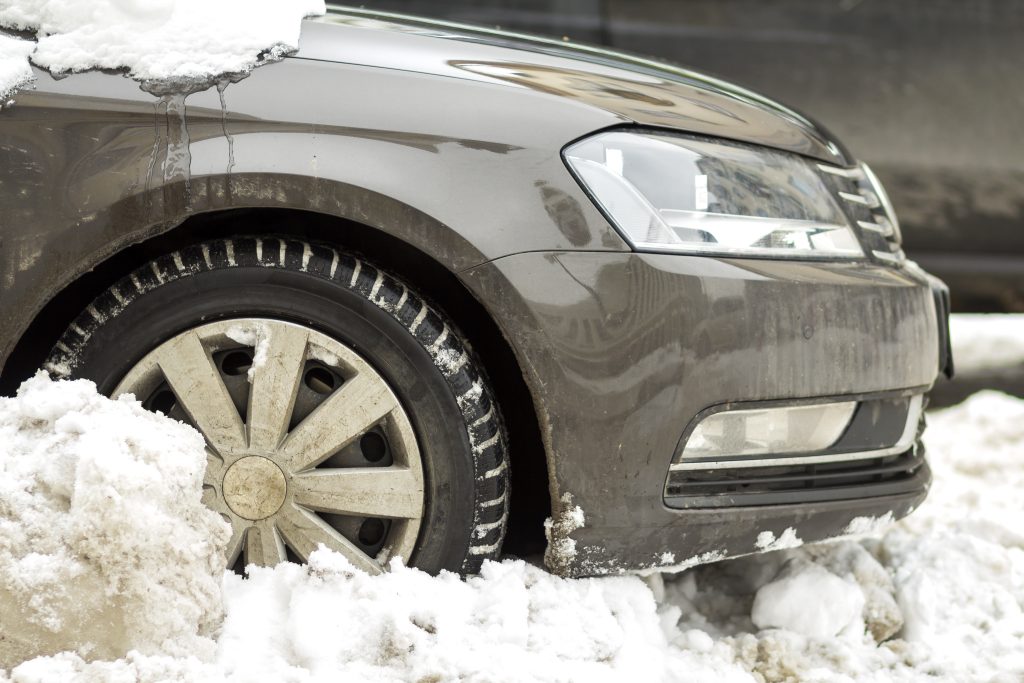
A regular drive can become dangerous when winter storms arrive. Every year, many drivers get stuck in their cars, dealing with freezing temperatures and hazardous conditions that can lead to serious health emergencies. Did you know: about 70% of winter weather injuries occur in vehicles, so diligent drivers must prepare themselves accordingly!
Winter car survival requires practical skills more than basic safety measures. Your trunk contents and safety knowledge determine how your highway snow blockage situation will progress from temporary trouble to urgent medical crisis. Extreme cold brings frostbite to people who experience just a few minutes of exposure, while hypothermia develops when your body loses heat at a greater rate than it produces heat. These dangers exist beyond outdoor adventures because they create actual dangers for drivers throughout the winter season.
A light snowfall can turn into a blinding blizzard in an hour, leaving drivers confused and stuck far from any town. The roads experience increased road closures, multi-car accidents, and mechanical failures whenever ice and snow create dangerous driving conditions. Even skilled drivers with well-maintained vehicles are not immune to these risks.
The good news? Your safety chances increase through advanced preparation methods.
The time to prepare for winter requires drivers to manage their vehicle maintenance needs while developing an all-encompassing emergency preparedness plan. The ability to protect your life during an emergency situation depends on knowing how to save resources while maintaining body heat and requesting assistance from others. The combination of vehicle emergency supplies with your resource management skills enables you to survive until rescuers arrive.
The time you spend preparing now, the supplies you gather, and the strategies you learn will sit quietly in your trunk during most winter drives. Your emergency preparations become essential when an unexpected storm occurs or your vehicle crashes onto an icy roadway. Your car can be a life-saving emergency shelter when you have properly equipped it and know how to use its resources.
Understanding Winter Driving Risks
Winter storms have the strange ability to create unsafe conditions on roads, which drivers know well within minutes of the first snowfall. The combination of reduced visibility, decreasing temperatures, and increasing snowfall creates a dangerous situation that develops into a life-threatening emergency. Drivers encountered multiple situations where their vehicles became stuck, which prevented them from reaching their homes or safe locations during severe weather conditions.
The Statistics Behind Winter Driving Hazards
Winter driving hazards throughout the United States present a serious threat to drivers, according to dangerous driving statistics. Around 70% of injuries related to winter weather happen in cars, which means your vehicle can be both a potential safe place and a risky trap depending on how ready you are. Drivers encounter multiple dangers during winter storms when conditions become dangerous because of:
- The decreased visibility makes navigation extremely difficult
- Road surfaces that become like ice skating rinks
- The actual danger of becoming completely immobilized is that snowdrifts can form around a stopped vehicle within a short period
The Risks of Frostbite and Hypothermia While Stranded
The moment you become stranded in dangerous circumstances, frostbite risk becomes your most urgent concern. Your body parts, which include fingers and toes, ears, and nose, face a higher risk of cold-related injuries. Frostbite can develop within 30 minutes when temperatures drop below freezing, which occurs when wind chill factors are present. A vehicle provides its occupants with some protection against wind, but its interior temperature will eventually reach outdoor conditions if no heating system operates. Drivers who waited in their cars suffered frostbite because they did not know that cold air could enter their vehicles through closed windows and doors.
Hypothermia in cars represents an even more insidious danger because it affects your entire body and impairs your judgment at the very moment you need clear thinking most. Your body’s core temperature starts to decrease when your body loses more heat than it can produce to maintain warmth in cold surroundings. The process inside a vehicle develops at a slower rate than direct exposure to the elements because car design, which uses metal and glass materials, enables heat transfer from your body to the environment. The seats and steering wheel, plus the floor, function as heat sinks that absorb body heat through physical contact with users.
Pre-Winter Vehicle Maintenance and Preparation
The process of preparing for winter vehicle operations requires drivers to begin their maintenance work before the first snowfall occurs. The correct vehicle preparation process determines if a situation will escalate into an emergency situation or remain as a minor issue. Car winterization needs to become an essential procedure that protects drivers and their vehicles from freezing weather conditions.
Check Your Cooling System
Cold weather requires special methods to maintain your vehicle’s cooling system. The drivers need to learn that radiator service protects engine components from cold-weather engine damage, which happens during operation. We always recommend having your cooling system inspected by a qualified technician who can flush out old coolant and replace it with fresh antifreeze.
An antifreeze check should verify that your coolant mixture provides adequate protection for the lowest temperatures expected in your area.
A basic instrument helps mechanics measure the freeze point of coolant because it enables them to verify that coolant will stay liquid during cold temperature periods.
A mix of 50 percent antifreeze and 50 percent water will protect equipment until temperatures reach minus 34 degrees Fahrenheit, but some areas need higher antifreeze concentrations.
The failure to do required maintenance will result in an engine block fracture and radiator destruction, which will result in repair expenses exceeding three thousand dollars and create unsafe conditions that will leave you without transportation.
Improve Your Visibility
Your most important asset for winter road driving comes from your ability to see things clearly. The standard windshield washer fluid freezes at approximately 32°F, which creates unsafe conditions when drivers need to remove road salt slush and snow spray from their windshields. Winter wiper fluid contains special additives that prevent freezing at temperatures that extend from -20°F to -40°F based on the specific formula used.
You need to check your wiper blades with a complete inspection, which goes beyond just assessing the fluid itself. Winter wiper blades include a protective rubber boot that stops ice from accumulating on the blade mechanism while the blades maintain their contact with the windshield through all heavy snowfall.
Prepare Your Heating System
A car’s heating system changes from comfort to essential survival during the winter season. We have responded to emergency situations where a broken heater created a medical emergency from which patients needed immediate assistance. Before cold weather sets in, make sure to:
The heater test requires you to turn on the vehicle’s heater system and assess its ability to produce hot air. The heating system needs immediate repair because it does not operate according to its intended design. The cabin air filter needs inspection because a blocked filter will decrease airflow, which results in a reduction in heater performance.
The performance will reach its highest level through replacing the equipment that needs replacement. The vehicle inspection process requires you to search for any evidence of coolant leaks that can occur at either the undercarriage or inside the cabin area. The engine and heating system both face overheating risks because leaking coolant leads to excessive engine temperature.
Fuel Management Strategies for Winter Travel
Most people overlook winter driving preparations because they do not understand how to protect their vehicle’s fuel reserves. We have witnessed numerous instances where drivers entered hazardous situations because they failed to keep proper fuel supplies during the winter season. Your emergency response ability depends on how much fuel exists in your vehicle’s tank.
The Science Behind Fuel Line Freezing
Water naturally accumulates in fuel tanks through condensation, particularly during temperature fluctuations common in winter weather. The tank becomes almost empty, which results in greater air inside the tank, thus enabling more moisture to transform into water droplets on the tank’s interior surfaces. The condensed water eventually travels into your fuel lines. Water transforms into ice once temperatures reach freezing point, creating blockages that stop fuel from entering your engine. Vehicles failed to start because ice built up in their fuel lines, which resulted in drivers becoming stuck in parking lots or on remote roads.
The practice of maintaining a fuel tank level between three-quarters and full capacity prevents most of the tank capacity from becoming available for condensation of water vapor. The fuel creates a protective layer that decreases the spaces where moisture can build up. The first protection mechanism against fuel system freezing lies in this basic regular practice. Our recommendation for winter tank management advises you to maintain a fuel level that stays above half full.
Calculating Your Survival Fuel Reserve
A complete fuel tank protects your vehicle from mechanical breakdowns while also providing essential resources during times when you need to remain stationary. Your vehicle’s heater becomes your primary survival tool in winter emergencies, but it requires fuel to operate. We always advise our customers to think about fuel consumption in terms of survival time rather than just driving distance during the winter months.
A typical vehicle uses between 0.2 and 0.5 gallons of fuel every hour that it remains idle. The recommended heater operation for a stranded situation requires you to use about 0.1 to 0.25 gallons of fuel every hour. An average sedan can run its heater for 28 to 80 hours when the driver uses fuel management techniques with a half-full tank of 7-8 gallons. Your survival time decreases substantially when you begin your journey with only a quarter tank of gas.
Safety Communication and Travel Planning
Winter driving demands more than just vehicle preparation-it requires a solid communication strategy that could make the difference between a minor inconvenience and a life-threatening situation. We’ve seen countless cases where proper travel notification transformed potential tragedies into manageable situations with swift resolutions.
Share Your Plans
Before you turn the ignition key for any winter journey, take a few minutes to share your plans with a trusted friend or family member. This simple act creates a safety net that activates automatically if something goes wrong. Your emergency contact planning should include specific details:
- Your exact route
- Any planned stops along the way
- Your destination address
- Your expected arrival time
The more precise you are with these details, the easier it becomes for someone to pinpoint your location if you fail to check in.
Use Multiple Communication Channels
You need to send your route information through a message and then call them to verify whether they received your message. The location sharing function needs to be used because it comes as a standard feature on most smartphones. The digital tools enable your emergency contacts to monitor your real-time progress, which increases your safety during dangerous weather situations.
Establish Clear Expectations
Your check-in system functions as your essential support system during your travel through winter weather conditions. Your emergency contact needs to know which steps to take when you fail to check in at the scheduled time. The protocol needs to follow this process: wait thirty minutes past your expected arrival time, use phone and text to reach you, and if you remain unreachable, then contact local authorities with your route information. The system establishes a graduated response to ensure essential help arrives while preventing unnecessary panic.
Identify Dead Zones
The unique difficulties that winter travel presents should guide your development of a communication plan. Rural areas experience unreliable cell service, which becomes worse during extreme weather conditions. The dead zones that you use for your regular routes should be mapped out, and your contacts should be informed about these locations.
You should inform your contacts about your upcoming service outage because they will need to know your location at that time. During these times, some drivers choose to check in, or they will use landlines and satellite phones for communication.
What to Do If Stranded in Winter Conditions?
If you become trapped in snow, you will experience fear, but you can protect yourself until help arrives by remaining calm and using effective survival techniques.
Make Your Vehicle Visible
The moment you realize you’re stuck, your first priority should be making your vehicle visible to potential rescuers. We recommend:
- Tying a brightly colored cloth or flag to your antenna or hanging it from a window
- Placing emergency flares or reflective triangles at a safe distance from your car to alert passing motorists or rescue crews
Manage Your Car’s Battery Wisely
Your car’s battery is a precious resource when you’re stranded, so managing it wisely becomes essential. Here’s what you should do:
- Flash your hazard lights periodically rather than leaving them on constantly
- Use short, intermittent blasts of your horn instead of continuous honking
Conserve Fuel for Heating
Fuel conservation becomes your lifeline when temperatures plummet, and you’re uncertain how long you’ll be waiting. Here’s how you can stretch your fuel supply:
- Run your engine and heater for about 10 minutes every hour
- Bundle up in warm clothing or blankets during the times when your engine is off
Check and Clear Your Exhaust Pipe Regularly
The two emergency benefits of pillows provide comfort for extended periods of time while functioning as an airtight barrier against cold drafts that enter through windows and doors. The fabric and filling create dead air spaces that slow down heat transfer, which makes them function as effective insulators.
Your insulation system can use newspapers, cardboard boxes, and trunk contents as insulation materials. You can create extra air pockets that keep heat inside by putting crumpled newspaper into door pockets and using it as window insulation. The drivers we worked with used various items from gym bags to spare clothing for creating cold barriers, and these inventive methods resulted in warm protection from dangerous cold exposure, which turned into manageable discomfort.
Human beings share body warmth through physical contact. People who travel with others should maintain close physical contact because it provides emotional support and helps them remain alive during emergencies.
The Essential Items For A Winter Car Survival Kit
The right winter survival kit essentials improve your vehicle safety when winter storms bring extreme cold weather conditions. The drivers who created detailed kits successfully maintained their safety until assistance arrived, while drivers who lacked essential equipment faced dangerous situations.
First Aid and Medical Supplies
A complete first aid kit provides the basic needs for every emergency winter preparedness program. The contents of your kit must include bandages, antiseptic wipes, pain relievers, and all prescription medications you take, along with treatments for cold-related injuries. We recommend that all medical supplies undergo expiration date verification at the start of each winter season. You should include a basic first aid manual because it will help you treat minor injuries and identify frostbite and hypothermia symptoms when you lack emergency response skills.
Hydration and Water Management
Your vehicle needs to carry 48 hours’ worth of water at all times. Your body needs enough fluids to maintain proper circulation and body temperature because dehydration happens at the same rate in both cold and hot weather. Water bottles should stay inside insulated containers because they prevent freezing, while you need to check your supply frequently to keep it fresh. Water treatment tablets or purification drops provide an additional safety net, which enables you to safely drink melted snow when your main water source has been depleted during an extended stranding.
Communication and Navigation Tools
Your cell phone with a fully charged portable battery pack serves as your primary lifeline to the outside world. The need for you to keep the portable charger in your car throughout the entire year becomes especially important during the winter season. The AM/FM radio provides you with weather updates and emergency broadcasts, which you can access even when cell towers are down and your phone battery is dead. A whistle requires no batteries and can help rescuers locate you if you need to signal for help but want to conserve your voice and energy.
Lighting and Visibility Equipment
Any nighttime emergency requires a reliable flashlight that comes with extra batteries, which people should use during vehicle inspections and repair attempts. LED flashlights provide optimal performance through their combination of high brightness and extended battery duration.
Optimizing Space with Multi-use Survival Items
The process of creating a winter car survival kit becomes difficult when space limitations exist because the compact sedan and trunk space of your vehicle restricts your ability to carry items. The secret to creating an efficient emergency kit that maintains essential cargo space requires us to choose compact survival gear that provides multiple functions. The strategic approach enables you to prepare for emergencies while your emergency supplies take up less space.
Wool Blankets: More Than Just Warmth
A large wool blanket exemplifies the multi-functional philosophy perfectly. Beyond its obvious use for warmth, this single item can serve as:
- Insulation for windows to reduce heat loss
- A ground cover, if you need to work under your vehicle
- A signal flag, when tied to your antenna
- A makeshift stretcher in medical emergencies
We recommend choosing blankets in bright colors like red or orange, which adds another function: high visibility for rescue teams!
The Versatility of Garbage Bags
The humble garbage bag represents another space-saving champion in our winter survival arsenal. Heavy-duty trash bags take up virtually no room yet provide remarkable versatility. They can function as:
- Waterproof ponchos when you need to step outside the vehicle
- Ground covers to keep you dry
- Makeshift containers for melting snow into drinking water
- Waste management solutions
- Emergency window coverings to retain heat
Packing several bags of different sizes ensures you’re prepared for various scenarios without dedicating significant storage space.
The Power of Duct Tape
Duct tape deserves a permanent spot in every vehicle’s emergency kit due to its countless applications. This compact roll can:
- Temporarily repair torn clothing or sleeping bags
- Seal cracks in windows to prevent heat loss
- Create makeshift bandages when combined with cloth
- Secure insulating materials around the car’s interior
- Fashion emergency snow chains by wrapping them around tires for additional traction
We’ve seen drivers use duct tape in creative ways that have literally saved their lives during winter emergencies!
Your Phone: The Ultimate Multi-tool
Your cell phone, when paired with a portable charger, becomes a multi-tool powerhouse. Beyond making emergency calls, modern smartphones provide:
- GPS navigation
- Flashlight capabilities
- Weather updates
- Entertainment to maintain morale during long waits
- The ability to signal for help using the screen’s brightness
Keeping a fully charged portable battery pack in your vehicles eliminates all these critical functions simultaneously.
Choose Maclane’s Automotive
The statistics are clear-70% of winter weather-related injuries occur in cars, which means any driver could find themselves in a dangerous situation if conditions suddenly worsen. Winter storms that occur unexpectedly create lethal conditions, which make regular driving activities unsafe for drivers.
People can prepare effectively without facing financial burdens or complex tasks. Your vehicle requires winter maintenance, while you need to create an emergency survival kit, which will help you manage all emergency situations that might arise. All drivers should treat winter preparation as their most important duty, which protects their own safety and the safety of their passengers and their relatives who wait at home.
Your vehicle becomes more dependable when you know that it possesses all the necessary equipment to handle extreme winter weather conditions. Your family becomes safer when you prepare for emergencies by checking antifreeze levels, bringing extra blankets, emergency food, and water supplies, and charging all your communication devices. The time required for supply gathering and maintenance work provides major benefits because unpreparedness can lead to serious consequences.
The winter driving safety tips originate from actual emergency situations and real-life survival experiences in winter driving conditions. Your winter survival kit items serve distinct functions, while your completed preventative maintenance activities reduce the chances of your equipment breaking down or your getting stuck.
The situations we experienced demonstrate that people can prevent most of their pain by doing basic preparations, and they can save their lives through preparation.
- Implement your winter survival plan to the same extent that you check your mirrors before entering another lane
- Perform vehicle checks, restock your emergency equipment, and execute your emergency plans with your traveling family members during the winter months
- Inform your travel companions about your itinerary while you maintain a full fuel tank, and you should not underestimate the speed at which weather conditions can shift.
- Don’t delay preparing until you find yourself in an emergency situation because you did not prepare enough for winter weather.
You must take immediate action to create safety measures that will protect you and your passengers during unpredictable winter weather conditions. Our team is available to support you with both vehicle winterization and winter driving preparation through our expert services. We at Maclane’s Automotive in Downingtown, PA, provide complete vehicle winterization services, so schedule yours today by calling us at (610) 590-9974!
FAQs
Why is it important to prepare for winter car emergencies?
The winter car emergency preparation process holds high importance because winter storms bring dangerous conditions, which lead to frostbite and hypothermia, and people getting stranded. Your safety during unexpected roadside incidents that occur in wintertime will improve through your combination of two vital elements, which include your proactive measures and your complete understanding of the situation.
What are the key pre-winter vehicle maintenance steps to ensure safety?
Drivers need to complete essential vehicle maintenance tasks before winter to maintain their safety. The essential maintenance tasks for winter vehicle preparation require radiator servicing, antifreeze level verification, winter windshield wiper fluid usage, heater, brake, hazard flasher, battery inspection, and snow tire or chain installation for safe operation in snow conditions.
How should I manage fuel during winter travel to avoid issues?
Winter travel requires drivers to maintain full fuel tanks, which prevents fuel line freeze and provides stranded drivers with sufficient fuel. The strategy enables vehicles to maintain operational reliability and safety throughout extreme weather conditions.
What safety communication practices should I follow before a winter trip?
You should establish safety communication protocols to follow before your winter trip begins. You need to tell someone about your travel route and estimated arrival time before you start your winter journey. The moment you fail to check in at the designated times, an automatic search operation will begin to locate you and bring you back to safety.
What should I do if I become stranded in the snow during winter?
People who are snowbound in the wintertime should use their vehicle heater to save fuel. People inside a car must use blankets, floor mats, and pillows as their body heat protection materials. People should huddle together with their passengers while they do light exercises to keep their body temperature and blood circulation stable.
What essential items should be included in a winter car survival kit?
The complete winter car survival package requires first aid equipment and water with treatment options and flashlight with extra batteries and a cell phone with portable charger plus AM/FM radio for weather updates and jumper cables and snow scraper/brush/shovel and hand warmers or candles for heat sources and appropriate winter clothing which includes gloves and hats and boots and tire chains or tow straps. Selecting a multi-use compact gear can optimize trunk space, especially in smaller vehicles.
