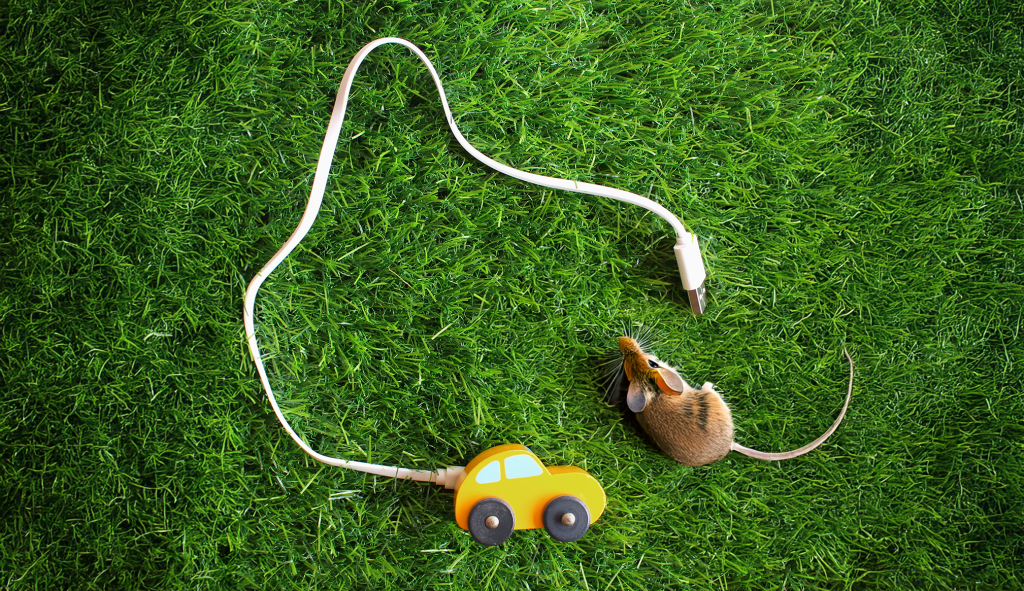
As for winter car maintenance, everyone naturally considers oil checks and battery maintenance. However, there is one other condition that quite a few drivers are not considering: rodents within the vehicle searching for a warm place to call home for the duration of winter. As the temperatures drop, mice and other rodents think your engine compartment is the ideal warm haven. They’re not hitching a free ride, installing a nest, gnawing on wires, and maybe doing some expensive damage that you’ll pay thousands of dollars to have repaired. This often overlooked winter related issue is something to watch out for because you’ll spend less money on expensive repairs and life-threatening breakdowns down the line if you detect rodent infestation early.
Knowing Rodent Damage to Vehicles in Winter
When rodent auto damage is the problem at hand, these annoying little critters can cause some major damage. One of the most prevalent and hazardous issues you’ll deal with is mice chewing on wires. Mice chew on things constantly, and your car’s electrical wiring can look to them like a chew toy they just can’t resist. They’ll chew through critical components, including:
- Electrical wiring harnesses that control everything from your headlights to your engine management system
- Fuel lines, creating potential leak hazards
- Coolant hoses, which can lead to engine overheating
- Spark plug wires, causing misfires and poor performance
This nesting behavior creates its own set of problems. Rodents collect insulation materials, leaves, and paper to build cozy homes in your engine bay. These nests block air filters, clog ventilation systems, and create serious fire hazards when positioned near hot engine components.
Watch for these telltale signs of infestation:
- Small, dark droppings were scattered throughout the engine compartment
- Piles of acorns or seeds stored near your vehicle
- Strong ammonia-like urine smell when you open the hood
- Shredded paper, fabric, or insulation material tucked into corners
Causes Behind Increased Rodent Activity Around Vehicles
During winter weather, mice and rats have an emergency survival situation that makes your vehicle an unbeatable sanctuary. When temperatures are below freezing, mice and rats will desperately search for something warm to hide in, and your car engine area, especially when its warm once you have turned off your vehicle, is ideal property.
The elimination of a lot of apex predators from areas surrounding residential areas has unsettled the balance of nature. With a decline in owls, hawks, and foxes that regulate the populations of rodents, they animals can breed at an alarming rate and encroach into housing communities where your vehicle is left open for business.
Your driving patterns can also be to blame. Cars left overnight on the street or just lingering for weeks at a time become a default welcome mat for mice to come and make themselves at home. The cold, sheltered space under your hood provides them with all they could possibly want: warmth, safety from predators, and ready access to material with which to build snug little nests. Vehicles that are parked beside wooded lots, fields, or even garages that contain stored birdseed are that much more at risk.
Prevention Methods Recommended by Pro Mechanics
Now you now know why your car turns into a rodent magnet. Continue reading for some effective prevention methods that professional mechanics recommend.
1. Natural Repellents
Natural repellents are your initial defense line. Spray peppermint oil on tires and wheel wells—mice detest the scent. Put dryer sheets in door cracks, the hood, and around air intake vents. These common household items make your home anything but inviting without the use of deadly chemicals.
2. Ultrasonic Devices
Ultrasonic devices provide a tech-savvy solution. These small units emit high-frequency sounds that irritate rodents but remain inaudible to humans. You can find battery-operated or plug-in models designed specifically for vehicles. Place them under the hood or inside the cabin for 24/7 protection.
3. Cellulose-Based Wire Jackets
The automotive industry is also stepping up with cellulose-based wire jackets. Unlike traditional soy-based coatings that rodents find delicious, these recyclable plant-fiber alternatives taste terrible to mice. While you can’t retrofit older vehicles, newer models increasingly feature this innovation as standard equipment, reducing your vulnerability to wire damage right from the factory.
The Financial Impact of Rodent Damage on Vehicles
When rodents decide your engine bay makes the perfect winter home, your wallet takes a serious hit. Rodent repair costs on a car can add up fast, we’re talking $500 to $4,000, depending on the severity of the damage. A crushed wiring harness by itself will cost you $1,500 to $2,000, and that doesn’t factor in diagnosis time and labor. Fuel lines and coolant hoses are worse since these critical components need to be replaced as soon as possible to stay safe and running yourself and your vehicle.
Here’s the kicker: your insurance probably won’t help! Most standard auto insurance policies specifically exclude coverage for biological damage, treating rodent destruction differently than collision or comprehensive claims. Some carriers might cover it under comprehensive policies, but you’ll likely face deductibles that make the claim barely worthwhile.
The math is straightforward, $20 in dryer sheets and peppermint oil beats thousands in car repairs. Preventive maintenance and regular work shield your car and your wallet from devastation, and they are the best thing you can do before winter arrives.
Winter Car Care Tips Based on Rodent Prevention Expert Advice
When seeking professional advice for winter car maintenance with rodents, experienced mechanics emphasize one important habit: have regular inspections in the fall and early winter. Pre-seasonal inspection allows technicians to identify the characteristic signs before they develop into expensive repairs. Professional mechanics recommend looking under your engine compartment at least every few weeks when it is cold, particularly if your vehicle will be standing for extended periods.
The winter car care secrets that pros swear by include:
- Lifting the hood before starting your engine to visually scan for nesting materials
- Checking around the battery, air filter housing, and behind the engine block, where mice prefer to nest
- Inspecting hoses and wiring for teeth marks or exposed copper strands
Family-owned repair shops such as Maclanes Auto specialize in this kind of preventative maintenance, blending technical expertise with loving care. Their technicians know full well rodent behavior around here and can spot barely discernible signals that a newcomer might miss. Regular maintenance visits to a mechanic who knows your vehicle’s history adds another layer of security against these winter rodents.
Signs You Should Never Ignore – Early Detection Saves Money
Your vehicle may be groaning out distress signals long before massive quantities of damage are done. Catching these early signs of mice in vehicles will cost you thousands of dollars in repair bills. If you are hearing those “scritching” or rustling sounds when you drive into the driveway, they are normally indications of some mouse nesting going on. Check for small strips of paper, cloth, or insulation material in your tire wells and engine bay that the mice use to build nests.
Key warning signs include:
- Small dark droppings are scattered throughout the engine bay
- Piles of acorns, seeds, or food debris near the battery or air filter
- A persistent ammonia-like smell indicates urine marking
- Chewed plastic components or exposed wiring are visible during inspection
- Pet food or birdseed mysteriously disappearing from your garage
Pop your hood every week or so when it’s cold outside to get a quick peek. Go ahead and shine a flashlight into tight areas where rodents like to make homes, and inspect more precisely around air intake, battery, and firewall areas. Those seconds you take to check out will pay you back hand over fist in the form of saving a $4,000 repair cost down the line.
Environmentally Conscious Innovations in Rodent Damage Prevention
The auto industry has found an unexpected secret in finding greener modes of production. Plant-based wire jackets that can be recycled (cellulose) were first proposed as the planet-friendlier substitute for petroleum plastics, but they’ve been having an unexpected problem, they taste good to mice. The soy and cellulose coatings the auto firms used in a bid to lower their carbon footprint were unexpectedly more palatable to mice than regular plastic coating.
To address this issue, manufacturers are producing new cellulose-based products that stay green but with added natural discouragements that deter hungry rodents from chewing on them. Others are testing capsaicin-based coatings and bitterness agents that discourage chewing without sacrificing the recyclable material option. These innovations are a two-way win, safekeeping your car’s electrical systems while keeping the auto industry committed to minimizing plastic waste and carbon footprint.
General Winter Car Maintenance Tips Beyond Rodents
While keeping rodents away protects your vehicle’s internal parts, comprehensive winter car maintenance tips extend to several other critical areas that deserve your attention.
Check Antifreeze Levels
Your antifreeze should be checked to avoid freezing your engine, target a 50/50 ratio of coolant to water that guards against -34°F.
Check Brakes
Brakes require special care in the winter months because low temperatures influence brake fluid viscosity and pad performance. Have your brakes checked to have the proper stopping power on icy roadways.
Check Tire Pressure and Tread Depth
Tire pressure decreases approximately 1 PSI for each 10-degree decrease in temperature, so check tire pressure weekly and use adequate tread depth (at least 4/32 of an inch) for excellent ice and snow traction.
Test Battery Performance
Battery performance is decreased when it’s cold, a warm-weather good battery won’t work when the weather is cold. Have your battery checked and replaced if it is over three years old.
When you combine these important checks with your rodent protection techniques, you’re creating a general protection barrier around your car that eliminates both biological attack and mechanical vulnerabilities during the entire winter season.
Choose Maclane’s Automotive
Winter vehicle maintenance extends beyond fluid and tire pressure checks, it involves safeguarding your car from surprise threats like rodents. The distinction between a $50 preventative measure and rodent damage repair costs on your car totaling $4,000 lies in awareness and pre-emptive maintenance.
If you’ve noticed any of the warning signs of winter or just want to know you’ll have peace of mind this winter, the experts at Maclanes Auto, Downingtown, PA, can assist you. Our skilled technicians know firsthand the special challenges Pennsylvania winters present to your car. From a detailed engine bay inspection to full seasonal service, we’re here to get you rolling safely.
Call us now at (610) 590-9974 and schedule your winter car inspection. Don’t allow a minor issue to become a costly repair, let’s safeguard your investment together!
