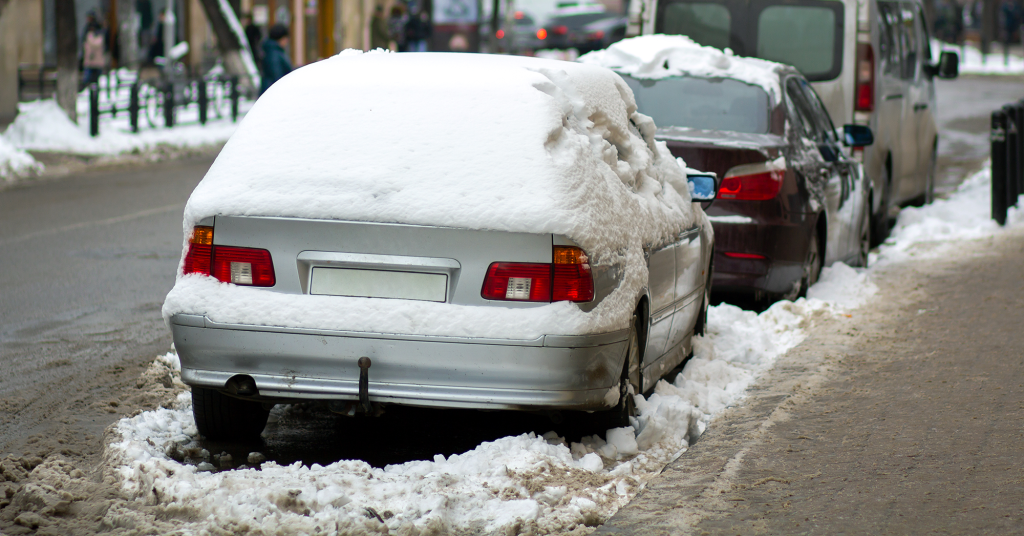
Road salting becomes essential during winter when roads start to freeze and become covered with snow. Salt creates two effects when it contacts water because it lowers the water freezing point, while it creates water that turns into ice, which provides tires with traction to maintain vehicle movement. Travel requires salt because it serves essential purposes, yet it creates problems that disrupt modern vehicle sensor operations. Salt spray deposits on vehicle surfaces, which then disrupts camera systems, radar systems, wheel speed sensors, and other electronic components, leading to warning lights and malfunctioning lane assist and adaptive cruise control. Road salting enables winter driving, but at the same time, it can disrupt your vehicle’s advanced technology functions.
These are the reasons why we hear this question a lot: “Can you calibrate my vehicle, or do I have to go to the dealer?”
The honest answer is, it depends on what people mean by “calibration.” The first process involves technicians who physically adjust the vehicle systems, while the second process involves electronic calibration that applies to vehicle systems such as speed sensors, ABS, stability control, and camera systems.
Many people find it easier and less expensive to turn to a trusted local auto repair shop for help rather than heading straight to the dealership. Most calibration requirements can be met by repair shops that possess both the necessary equipment and expertise to complete the task without incurring the increased expenses and extended delays associated with dealership services. We need to explain the upcoming storm preparations in a simplified way that reveals actual, useful information for our storm preparation work.
Common Sensor Calibration Issues in Cars and Trucks During Winter
Here is the simplest way to think about it. When winter arrives, the combination of freezing temperatures and road salt creates two types of damage to your vehicle, which affects both its exterior surface and its essential electronic systems that operate throughout the day.
Why Sensors Struggle in the Cold
The presence of salt water and ice will create conditions that cause electrical wiring to corrode and sensor systems to lose functionality, which leads to complete equipment failures. The most common areas that experience problems include wheel speed sensors that operate for ABS and traction control systems, as well as steering angle sensors, parking sensors, tire pressure monitors, and cameras that support lane keeping and adaptive cruise control functions. Your entire system will break down because even minor connector corrosion or an ice-induced wire break will disrupt its operation.
What We Can Usually Handle In-House (And Do Every Winter)
- Wheel Speed & ABS Sensors: These monitor each wheel’s rotation to help with braking and stability. The vehicle displays warning lights when salt or ice creates a poor connection or causes a sensor malfunction, which results in system safety shutdown until technicians resolve the issue and perform system recalibration.
- Steering & Yaw Sensors: The stability control system needs these sensors to be reset or recalibrated after drivers complete an alignment or suspension repair, which people commonly require after winter pothole damage.
- Cameras & Radar: The forward camera and radar units need recalibration after windshield replacements or bumper repairs because their accurate functioning of automatic emergency braking and lane assist depends on this process.
- Tire Pressure Monitors: Cold temperatures drop tire pressures; sensors may flag false alerts if they’re already borderline due to battery wear or corrosion at the valve stem.
Real-World Effects
You might notice warning lights for ABS, traction, blind spot monitoring, or even “no power” messages if a sensor goes out of range due to cold damage. Sometimes your backup camera will show nothing but a black screen-or parking sensors beep constantly for no reason.
Can Local Shops Handle It?
Most calibration jobs-like resetting steering angle sensors after an alignment, recalibrating cameras post-windshield replacement, or clearing wheel speed sensor faults-can be handled by independent repair shops with the right diagnostic tools. Only rare cases involving complex module coding or advanced driver assistance systems might require dealer-level equipment.
When A Dealer Might Actually Be Required
There are still situations where a dealer is the right move. Not because an independent shop cannot do quality work, but because some manufacturers lock down certain programming functions or require proprietary tools for specific module replacements and updates. In such cases, it’s important to understand the dealer vs independent shop dynamics to make an informed decision.
A few common “dealer leaning” situations are:
If a control module must be programmed, and the manufacturer does not allow full access through aftermarket tools.
If a brand-new OEM module needs an immobilizer or security pairing that is restricted.
If there is an active recall or service campaign that applies to the vehicle.
Even then, we can usually help with diagnosis first. That matters because it can prevent spending money on the wrong part or showing up at the dealer without clear direction.
Why Winter Salting Makes Calibration Problems Worse
Salt is corrosive, and corrosion is an electrical problem waiting to happen. Connections get green and crusty. Grounds get weak. Plugs get water intrusion. Add vibration, heavy loads, frequent idling, and constant on-off cycling, and we get a perfect environment for intermittent faults.
In some cases, the fix is not a routine recalibration. It is repairing the root cause, then re-checking settings and verifying output.
Pre-Season Checks That Make Calibration Easier In The Middle Of A Storm
The best calibration work that can be done is done before winter weather strikes. Once a storm stacks up, everyone is stressed, and nobody wants to troubleshoot a wiring issue in a parking lot with freezing rain!
A simple pre-season inspection can catch the stuff that turns into “we need a dealer” panic later.
Here is the short list we usually recommend focusing on:
- Charging system health, battery condition, and cable integrity, because winter electrical loads are no joke
- Brakes, steering, suspension, and cooling system conditions
While they are not glamorous, they can help keep your cars and trucks on the road.
So, Can We Calibrate It Or Do You Need A Dealership?
The diagnostic process helps us restore your vehicle’s sensor and electrical systems when we identify all the potential issues that lead to unpredictable system behavior. We support real-world calibration by verifying that the vehicle produces constant power output and precise speed measurements while maintaining dependable performance during demanding conditions.
The dealership needs to perform locked-down programming and manufacturer-only module work when the specific task requires those two requirements. But even in those cases, getting a clear diagnosis first can save a lot of time and money!
Ready To Get Your Car or Truck’s Alarms or Alerts Sorted Out This Winter?
Winter road salting is demanding on your car’s underside, no doubt about it. When calibration feels off, it is usually a sign that something else is creeping in, like voltage drop, sensor problems, corrosion, or mechanical wear that only shows up under winter loads. If we want to get ahead of it before the next storm, call us at Maclane’s Automotive in Malvern, PA, today at (610) 590-9974 and let us help you get your car or truck’s electrical systems ready to run when it matters most. For more insights on preparing your vehicle for harsh winter conditions, check out more of our expert car tips and ideas.
