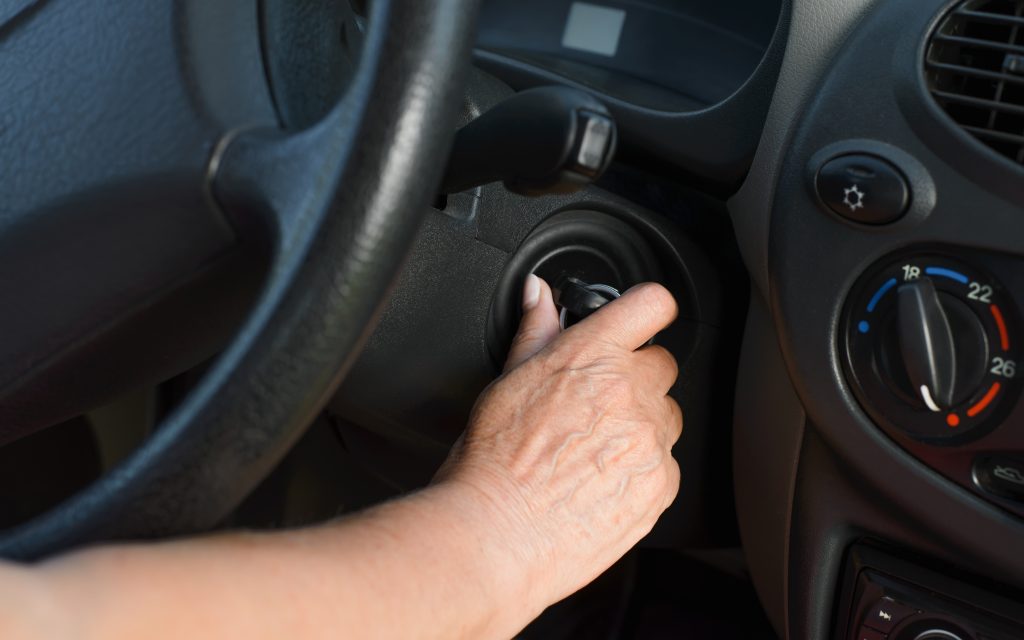
After waking up on a cold morning, you go outside and get in your car. You put the key in the ignition, but instead of the engine starting up right away with a loud roar, it cranks slowly before eventually starting, or even worse, it does not start at all! If this has been your morning lately with the winter months rolling in, just know that you are not the only one. A lot of car and truck owners face hard or slow starts when it’s cold, but the question is, what causes such problems? There are different factors that can lead to these issues, and knowing what they are can help you in the process of preventing yourself from being stuck in such a difficult situation.
Your vehicle’s fuel system is of utmost importance when it comes to starting the engine, but the cold weather can negatively affect it as well. Freezing fuel lines is only one of the problems that occur frequently. When there is moisture present in the fuel lines, it may freeze under low temperature conditions, preventing the fuel from reaching the engine. Using a full gas tank during winter is very effective in keeping the condensation that forms inside the fuel lines down to a minimum, which greatly reduces the risk of freezing.
This implies that the lower power output may actually be the reason why the engine will not start in case the battery is already weak or dying. One of the several ways to tackle this situation is to test the battery before winter starts. If it is older than 3 years, then consider having it replaced before the cold weather arrives. It is also advisable that the battery terminals are kept clean and free of corrosion to ensure a good and strong connection to a flow of electricity. You can also consider investing in either a battery heater or a trickle charger, which will help keep the battery in its prime state throughout the winter season.
Engine Oil Becomes Thicker in Cold Weather
Your engine oil is another major factor that influences cold starts significantly. Oil is important to lubricate the engine parts, lower friction, and facilitate the engine working efficiently. Nevertheless, when the temperatures fall, the oil thickens, and that is why the engine will have trouble turning over. In case your vehicle is facing difficulties starting on cold days, it means that your oil is not flowing freely enough. When you use the oil of correct viscosity for the winter, it can cause a really big impact. Most modern cars do not use the multi-grade oil like 5W-30 or 0W-20, which shows more efficiency in cold temperatures. In case you are not certain whether your oil is good for winter driving, refer to your owner’s manual or seek a professional’s opinion.
Changing oil at regular intervals becomes a practice that can also help avoid difficulties in starting the car. Old and dirty oil in the engine becomes even thicker and takes more time to get the engine cranked in the cold. You may think of switching over to synthetic oil, which flows better through the engine during winter, giving it better protection. Synthetic oils also have the drawback of giving longer oil change intervals since they have a longer lifespan.
Fuel System Issues Can Cause Hard Starts
Your vehicle’s fuel system is of utmost importance when it comes to starting the engine, but the cold weather can negatively affect it as well. Freezing fuel lines is only one of the problems that occur frequently. When there is moisture present in the fuel lines, it may freeze under low temperature conditions, preventing the fuel from reaching the engine. Using a full gas tank during winter is very effective in keeping the condensation that forms inside the fuel lines down to a minimum, which greatly reduces the risk of freezing. Moreover, applying a winter-use fuel additive can effectively thwart fuel system problems even at extremely low temperatures.
Another cause of the problem could be your fuel injections. When the injectors get blocked or dirty, they can’t perform their duty of opening and letting in the required amount of fuel that eventually will start the engine efficiently. Regular fuel system checkups and the use of premium gasoline go a long way in preventing these conditions. Furthermore, not only cleaning but also changing the fuel filter from time to time can enhance the vehicle’s starting performance in winter.
Cold Weather Slows Down the Starter Motor
It’s the starter motor that turns the engine over when the car starts. The cold winter, along with the thick oil and a weak battery, makes the starter motor’s job even harder. However, if your starter motor is already slow or weak, then the winter conditions might push it to fail. You may notice the bad starting condition as the car would crank slower, or sometimes it might not start at all. If you hear a click when starting the car, it might mean the starter motor is weak or plugged. A check on the starter system prior to winter will ensure a warm, safe morning without any unpleasant surprises.
Preventative Steps to Avoid Cold Start Issues
In case you don’t want to face the annoyance of cold-starting the vehicle, you will be rewarded with successful winter preparations. The following tips would ensure that your car does not cease functioning during the wintertime:
Test Your Battery: Have it tested pre-winter, and if it is found to be weak, swap it out for a new one.
Use Winter-Grade Oil: Engine’s performance during cold weather is greatly improved by using oil with the proper viscosity.
Keep Your Gas Tank Full: A full tank reduces the possibility of the fuel line freezing.
When Possible, Park in a Garage: Starting a car that has been kept away from the intense cold will be more manageable.
Use a Battery Blanket or Engine Block Heater: In the situation of residing in a very cold area, these tools could be ideal for the battery and engine as they will maintain a warm temperature on the battery and engine throughout the night.
Test Your Tires: Ensure that your tires are inflated properly; winter tires might just prove to be the best option for enhancing traction in the freezing cold weather.
Check Belts & Hoses
Belts and hoses may become brittle due to low temperatures, meaning they could deteriorate easily. Regular checks will allow you to identify and fix small issues before they become gigantic problems.
Use of Windshield Washer Fluid with Antifreeze: The normal windshield washer fluid will freeze if it is very cold. So you will not be in a position to clean the windshield. Using the windshield washer fluid that contains antifreeze will help you clean the windshield.
Maintain an Emergency Kit with Your Vehicle: In the situation of being stranded, perhaps the products such as a flashlight, jumper cables, a blanket, and non-perishable foods would be most required.
Warm Up Your Car: It is recommended that you let your car idle for several minutes prior to driving. This will ensure that the engine oil circulates. This will ensure that your car starts easily even when it is cold.
For drivers in Downingtown, PA, since the temperature during the winter months can be low by large margins, upkeeping your car or truck must be at the top of your list to steer clear of the frustrating issues related to the cold start. It takes only a moderate amount of preparation to help you out when the worst happens.
More Tips for Driving in Cold Weather
Besides these preventive measures, keep these few additional tips in mind for driving in cold weather conditions:
Avoid Short Trips: This is because short trips can directly result in the engine not attaining the optimal temperature, which will result in wear and tear in the future.
Check Your Coolant Levels: Verify the topmost level of your coolant and also check that you are using a mixture of coolant with antifreeze to avoid freezing.
Inspect Your Battery Terminals: Monitor battery terminals for any signs of corrosion, and if there is any, make sure to remove it. This simple step will allow the electrical connection to be good and also increase your car’s starting performance.
Use Heated Seats and Steering Wheel: If your car has heated seats and a heated steering wheel, then switch them on so that you have the luxury of warmth and comfort while driving in cold weather.
Keep Your Car Clean: The roads during winter will be greasy and dirty, and thus your car will accumulate salt and dirt, which could ultimately lead to rust. To keep your vehicle unblemished and protected against rust, wash it occasionally to get rid of these detrimental materials.
Choose Maclane’s Automotive
Cold weather brings about issues that are unique to the car, but if you are ready and have good car maintenance, there should be no cold start issues. Yes, it is possible to have a reliable car in the winter! Testing batteries, using the right oil, ensuring good maintenance of the fuel system, and practicing the preventive measures we discussed are the things that keep your car running well even in harsh, frosty conditions.
Sick of battling to start your car or truck in frigid temperatures? Drop by and see our experts at Maclane’s Automotive in Downingtown, PA, for a winter vehicle checkup and battery testing. Be sure to call today for an appointment at (610) 590-9974!
