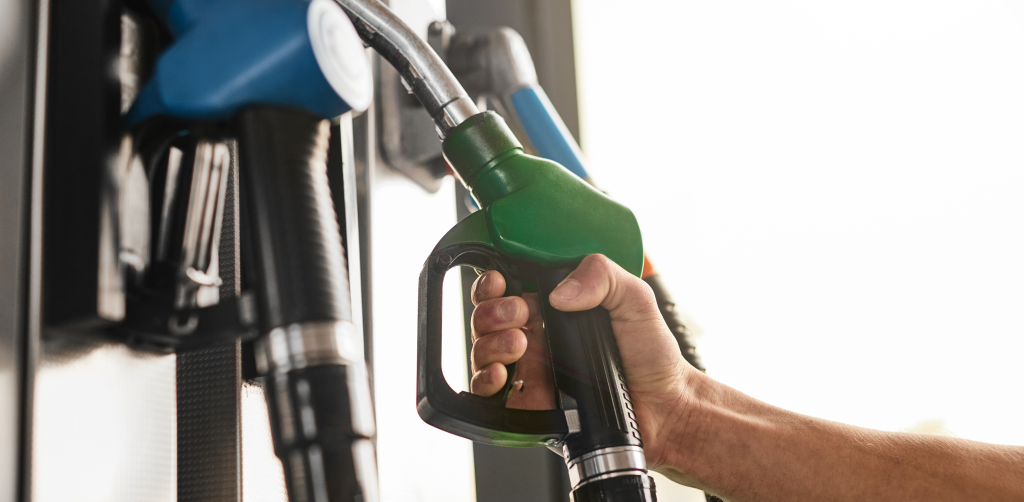
If you own a car or truck and regularly have to refuel it, chances are that you have already wondered why it still costs this much. While seemingly arbitrary, gas prices are actually driven by a number of factors, most of which occur simultaneously. This is why small changes in one area can lead to an almost instant shift in gas prices.
The following chart describes why fuel prices remain relatively high all across the US, how they may increase in particular states, and how consumers can save money without dramatically adjusting their way of life.
What Really Makes Up The Price You Pay At The Pump
The price you pay for a gallon of fuel does not reflect only the cost of crude oil. In fact, this price covers the entire process of processing and delivering crude oil to your local petrol station.
In most areas, your price includes:
- Crude oil costs (the biggest piece)
- Refining, distribution, and retail costs
- Federal, state, and local taxes
Crude oil is the “base ingredient,” so when global oil prices rise, gas usually follows. But refining capacity, transportation, and regional supply can push your local price higher even if oil prices are stable.
Crude Oil Prices Are Global, Not Local
A common frustration is hearing that the US produces a lot of oil, so gas should be cheap everywhere. In reality, crude oil is priced in a global market. That means major events in other countries can raise prices here even if nothing changes in your town.
A few common examples that can tighten global supply and raise prices include:
- OPEC+ production cuts that reduce how much oil reaches the market
- International conflicts that threaten shipping routes or oil facilities
- Strong global demand when economies are growing and travel increases
Even rumors and market expectations can move oil prices, which is why you sometimes see gas jump before anything visibly changes.
Refinery Issues And Capacity Limits Can Spike Prices Fast
Once crude oil is obtained, it should be refined into gasoline, diesel, and jet fuel. Although the US refining capacity is quite substantial, it is limited and unevenly distributed. Outages caused by scheduled maintenance work, disasters, hurricanes, or even power outages affect supply chains and, therefore, raise prices.
Besides, the process of refining oil fluctuates seasonally. Specifically, many regions require summer-blend gasoline, which has different formulations to reduce emission levels during hot periods. Producing this gasoline can be more expensive, and besides, the process of switching to summer-blend may cause a temporary spike in prices.

Gas Prices Vary By Region Because Fuel Is Hard To Move
Many people believe that moving fuel across the country is fairly easy, as it should travel via pipelines or trucks. However, this movement is far more complicated than it seems.
This means that the logistics system involved is through the use of pipelines, barges, railroads, and trucking, meaning there will be certain limits to this. Some places in the country have logistics that depend on themselves; hence, disruptions in such places will have greater effects.
Another factor that influences the cost of gasoline in California is the fact that the state requires its unique blend of gasoline and is geographically isolated from other gasoline refineries across the United States.
Taxes And State Policies Still Matter
Taxes are rarely the biggest reason prices jump week to week, but they absolutely affect what you pay overall, especially when you compare states. The federal gas tax is consistent nationwide, but state and local taxes vary widely. Some states also have additional environmental fees or fuel program requirements that can add to the cost.
If you have ever driven across state lines and noticed an immediate difference, taxes, regulations, and regional supply are usually the reason.
Seasonal Demand: More Driving, More Pressure On Supply
Gas demand typically rises in spring and summer because people travel more. When demand increases, wholesale prices often climb, and retail stations follow.
The same could be said about diesel fuel prices. In locations with considerable amounts of freight trucks, rising diesel prices may impact availability and even prices for gasoline as well. Such an outcome is possible due to additional strains on refining capacities and transportation of fuels.
What Car And Truck Owners Can Do To Spend Less Without Driving Less
You cannot control oil markets. However, you can control fuel efficiency and minor maintenance issues that develop into costly repairs. There are several straightforward ways that could considerably improve your odds of saving fuel:
To start with, make sure that your tires are properly inflated, clean your filters, change the spark plugs, and change your oil regularly. The list above is highly significant for those who drive trucks since the fuel consumption rate is much higher compared to that of compact cars.
Secondly, take into consideration the way you drive your car. Fast starts, speeding, and idling of the engine involve additional fuel expenses. Slightly reducing your speed at highway speeds will make your journey more efficient but won’t necessarily make you drive much slower.
Ultimately, you need to pay attention to your car since low gas mileage may be caused by several things, including the check engine light, a malfunctioning oxygen sensor, engine misfires, brake calipers sticking, or clogged fuel injectors.
Final Thoughts And Next Steps
Prices of gasoline remain rather high in the US since global market prices for crude oil, complicated distribution and refinery processes, regional shortages, and seasonal demand changes impact costs of the final product. Despite the fact that you have no influence over the situation, you can take care of your car to save money in the future.
If you want to improve the fuel efficiency of your vehicle or solve a problem with decreased mileage, give us a call at Maclane’s Auto in Malvern, PA at (484) 321-8137. We’ll gladly help you improve performance and reduce fuel consumption.