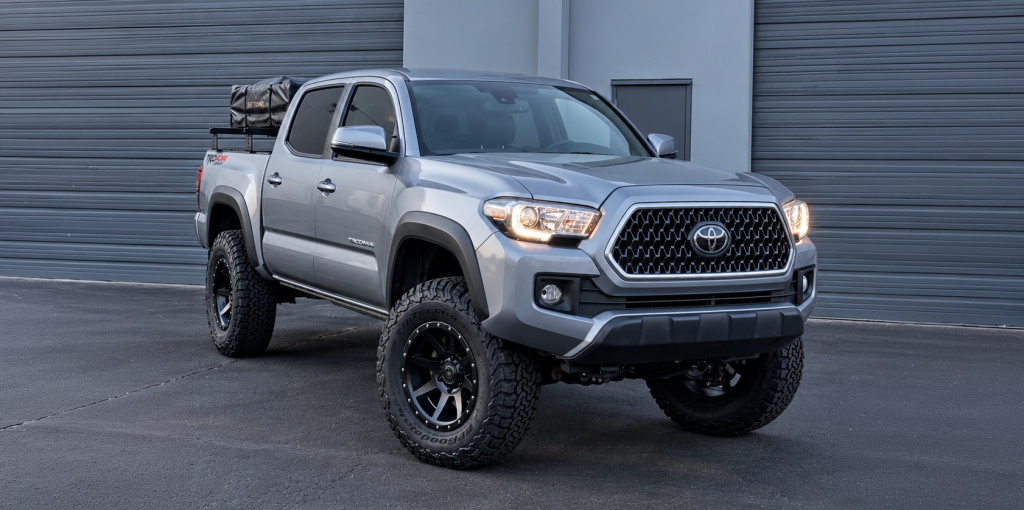
A Tacoma that spends its week carrying tools has a different working life from a Tundra used for short school runs and an occasional trailer trip. Both need maintenance. The useful schedule is the one that accounts for the model, age, mileage, and work the truck really does.
At Maclane’s Automotive in Malvern, PA, we help Toyota truck owners make sense of that schedule. A reputation for reliability is a good reason to look after a truck, not a reason to skip service. Keeping records and dealing with small changes early gives you a better chance of avoiding the repair that interrupts everything.
Start With Your Truck’s Service History
Bring the maintenance records you have, even if they are a few receipts in the glove box. We compare the work already done with Toyota’s schedule for the specific year, engine, and drivetrain. A Tacoma and a Tundra do not automatically need identical services at identical mileage.
If you bought the truck used and the history is missing, say so. We can inspect its condition and help decide what needs attention rather than assume every fluid was changed before the sale. Mileage is useful, but some services also have time limits.
Tell us about towing, dirt roads, prolonged idling, and frequent short trips. Toyota lists additional maintenance for certain operating conditions, and those details help determine which parts of the schedule apply.
Keep The Oil Service Matched To The Engine
Use the specified oil viscosity and required performance standard, along with the correct filter. The right interval comes from the maintenance guide and the truck’s use. There is no single oil-change mileage that suits every Toyota truck on the road.
A short commute can be harder on oil than its mileage suggests because the engine may spend little time fully warm. Towing and heavy use bring other demands. We account for those conditions instead of assuming a lightly driven truck has an easy life.
Check the oil level between services as directed in the manual. An oil change does not guarantee the level will stay full until the next one. If you are adding oil regularly or finding spots in the driveway, let us know how much and how often.
Remember The Fluids Beyond The Engine
The transmission, cooling system, differentials, and transfer case each have their own needs. Four-wheel-drive equipment adds service points that a two-wheel-drive truck may not have. We use the correct fluids and follow the procedures for that particular system.
Transmission service depends on the model and operating conditions. A universal flush package is not a substitute for checking Toyota’s guidance. If shifts have changed or a leak has appeared, that becomes a diagnostic visit, not just a routine fluid change.
Coolant protects against freezing, overheating, and corrosion. Its condition, level, and service interval matter even when the temperature gauge looks normal. Never remove a hot cooling-system cap. A coolant smell, dried residue, or falling level is a reason to investigate before the truck overheats.
If the truck has been through deep water, mention it. Water contamination and damage can call for checks beyond the ordinary mileage schedule.
Use Tire And Brake Visits To Catch Wear
Tire rotations help share wear between positions, using the pattern appropriate for the truck and its tires. We also check pressure, tread depth, and unusual wear. An inside edge wearing faster than the rest is not something a rotation alone will cure.
Brakes need inspection before grinding starts. Pad thickness, rotor condition, caliper operation, hoses, and lines tell us more than mileage alone. Towing and hilly driving can put different demands on the brakes than an unloaded highway trip.
A change in pedal feel, a pull under braking, or a fresh scraping noise should not wait for the next scheduled visit. If stopping ability changes, park safely and arrange help.
Do Not Overlook The Parts Around The Big Ones
An engine air filter keeps dirt out of the engine. A cabin filter serves the ventilation system. Dusty roads can shorten their useful life, so inspecting them makes more sense than assuming they need the same attention on every truck.
Belts, hoses, battery connections, and charging performance also deserve a look. Some belt wear is not obvious from cracks alone. A hose can leak at a connection before it looks badly damaged, and a battery can struggle before it stops starting the engine altogether.
Underneath, we look for steering and suspension wear where inspection or symptoms call for it. Clunks, wandering, and a new vibration are worth mentioning. Road salt also makes underbody corrosion checks sensible for trucks driven through Pennsylvania winters, especially around structural areas and brake lines.
Build A Plan You Can Keep Using
You do not need to memorize the whole maintenance guide. You need to know what is due, what the inspection found, and which items cannot wait. A written service history also keeps you from paying for the same work twice because nobody remembers when it was done.
Call Maclane’s Automotive in Malvern, PA, at (484) 321-8137 to schedule Toyota truck maintenance. We will review your Tacoma or Tundra’s needs, talk through how you use it, and help you plan the next service without treating every truck like the same truck.