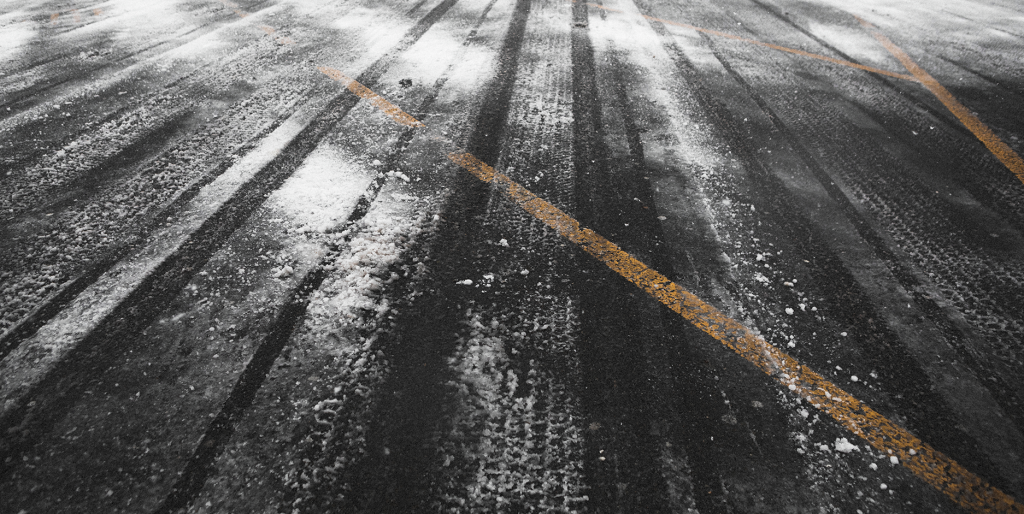
Being in a situation where your car suddenly loses traction on a seemingly clear road could be one of the most frightening moments for anyone as a driver. A major factor affecting driving conditions during winter is “black ice,” which is a hidden danger that occurs when the temperature is low on wet or snowy days, turning regular trips into risky ones. Even experienced drivers can be caught unaware!
You can stay safe by preparing beforehand, not by reacting only when you come across ice on the street. When you know how black ice is formed and where it is likely to appear, you can be a much more proactive driver. This understanding can help you to predict a bad situation instead of finding out the hard way.
Winter driving safety doesn’t simply mean to reduce your speed. It is a combination of being aware, maintaining your vehicle properly, and applying driving techniques that match the condition of the icy roads. Continue reading to learn more about the skill of driving on black ice and staying confidently in control of the wheel this winter season.
Understanding How Black Ice Forms
Black ice is winter’s most dangerous hazard, and it may be hard to spot at times. The physical processes behind how it forms are much more straightforward.
What Is the Process That Leads to Black Ice?
Black ice forms in freezing temperatures, which are usually between 28°F and 32°F, when paired with very humid air, rain, or snow. This is the case during foggy days or on mist-covered roads. Water vapor in the air gets frozen as soon as it comes into contact with the chilled asphalt, creating a layer of ice that is nearly invisible.
What Makes Black Ice a Serious Threat?
The film of water on top of the black ice is the main threat. A good comparison can be made to the cold ice cubes from your freezer—they are, in fact, sticky when you hold them in your fingers because they are so cold. But if those same ice cubes are left on the counter for even a minute, they become very slippery because of a very thin layer of water formed on the surface as the ice melts.
The same situation occurs on icy roads during winter weather, turning the road you’re on into nothing less than an ice rink! Tires have very little traction on the ice as is, but if you factor in that water layer, the situation gets much worse, no matter how carefully you drive.
Spotting Areas where Black Ice May Form
Being aware of the areas where black ice is most likely to form will help save you from this dangerous situation.
1. Bridges and overpasses
Bridges and overpasses are the first to freeze because cold air circulates above and below these buildings. Regular roads have the ground below them giving them some insulation, but elevated surfaces lose heat quickly from all sides. When you travel to any bridge or overpass during winter, make sure to presume that the ice has already formed there, even when the rest of the road seems clear.
2. Shaded roads
Shaded roads are a different yet still serious risk. Areas that are covered by trees, buildings, or mountains will not be thawed until very late, and even then, they are often still thawing. All these shadowy places do not get the beneficial warmth they need to melt and dry.
3. Lakes and rivers
Lakes and rivers are always giving off moisture to the adjacent road networks. When your travel path is very close to a body of water, it means that the air will mix with the water from the surface and coat the pavement. This creates that black ice when combined with freezing temperatures, especially in the early mornings or at night.
4. Roads with low traffic
With low-traffic roads, ice prevention is all but nonexistent. Underused roads are the least maintained ones in winter, so there usually won’t be the sand or salt treatments that are more common on highways. The combination of reduced traffic and limited maintenance makes these back roads particularly dangerous for black ice formation.
Black Ice Safety Driving Techniques
When the temperature drops and the weather conditions indicate that there might be ice, your driving method needs to change. The first measure you should take to defend yourself is speed control, try to drive just below the speed limit when your weather app indicates that the temperature is around freezing and the humidity is high. This way, you will be able to react faster if your tires slip, you will only have a few precious seconds!
Curves and turns demand special attention. Get your speed down before you enter them, not during. The moment you touch your brakes mid-turn on ice, you’re asking for trouble. Touching the brakes just before a curve shifts the vehicle’s weight balance, front end down and back end up, sending the car into an uncontrolled skid.
If you find yourself in a skid despite your best efforts, your instincts will scream at you to hit the brakes harder. Resist that urge. Here’s what truly works for proper skid recovery:
- Ease off both the brake and accelerator immediately
- Steer in the direction you want to go—not where the car is sliding
- Keep your steering movements smooth and deliberate
You may have to act with more force than what might be considered normal, but erratic movements will not help at all. Knowing when to apply the brakes is part of braking control- your brakes can actually turn into your enemies rather than your safety net in icy conditions. In times like these driving tips can help prevent the difference between a close call and a crash.
Vehicle Maintenance for Winter Safety
The skills of the driver are important, but they will only carry you so far if the vehicle isn’t ready for winter conditions. Winter car repair and maintenance checks become necessary when the temperatures fall and ice becomes a hazard.
Check Your Tires
Tire tread depth and pressure require your immediate consideration before winter sets in. The traction of the vehicle will be even worse on icy roads if the tires are too worn down; you may even become compromised while driving on roads are not icy! Make sure that your tread depth is at safe levels and also keep the tire pressure at the right level, cold weather naturally lowers pressure, which in turn, reduces traction at the very moment you need it most.
Inspect Your Brakes
The braking system of your car should be the part that gets the most attention. The worst thing that can happen to you is losing your brakes at the moment before you drive through a skid-prone spot, when you can prevent going through in the first place. A trustworthy service center like ours here at Maclane’s Automotive will check your vehicle for brake pads, rotors, and fluid levels.
Do Not Overlook Fluids
Winter is much easier to deal with if you check the antifreeze levels and windshield washer fluid, as well as confirming that the motor oil’s viscosity is appropriate for low temperatures. These minor things save you from getting stuck unexpectedly in dangerous off-road traps.
At Maclane’s Automotive, our experienced technicians understand what your vehicle needs to handle winter’s challenges. We provide comprehensive auto repair services that prepare your car for whatever conditions you’ll face.
The Role of Road Conditions and Traffic Patterns in Black Ice Risk Mitigation
However, the risk of black ice is not the same on all roads. Maintenance of the roads has a lot to do with it, and also which winter months are more safe for driving. If, during your drive, you come across well-salted roads, then you have one of the most efficient methods of fighting black ice on your side. Salted roads prevent the water from freezing so you have the grip you need. The volume of traffic is also a factor that prevents ice formation naturally. It’s like a river’s moving water, it also prevents freezing because of its consistent motion.
This same concept applies to high-traffic roadways where the vehicles’ continuous movement prevents surface ice from forming a layer. The heat and friction generated by each car passing through helps to melt and break up the ice that is trying to form. That being said, of course, you must be very careful on roads that are not frequently traveled. Those traffic-free areas are not getting the same natural protection from the moving cars This means they usually require less winter maintenance and black ice can form more easily and last longer.
Awareness, Preparedness, and Proactive Driving as Key Safety Measures Against Black Ice Hazards
Your smartphone can be your main shield against black ice encounters. Before starting your car on a frosty morning, open the weather app and see two essential numbers: temperature and humidity levels. If temperatures are near freezing and humidity levels are high, then you will see black ice ready for formation. This 30-second check is all it takes to give you the driving safety awareness needed to change your approach before you get on the road.
The truth is, black ice tricks motorists since it is not revealed. In fact, streets can seem absolutely clean but still carry the perilous layer of ice underneath. So, you have to be really careful all the time, especially in those dangerous areas we talked about earlier, bridges, underneath trees, and streets close to water. Your vigilance should be on even when the road gives a deceptive dry look.
You might have to slow down there, but it is not worth it to take the risk. When it is likely that ice may be on the road, your mental switch should be from “how fast can I go?” to “how safely can I pass?”. This translates to:
- Driving slightly below the posted speed limits when temperatures and humidity indicate potential ice
- Regularly testing your brakes with gentle taps to assess road conditions
- Giving yourself extra time to reach your destination without rushing
The key to mastering Temperatures Are Dropping: Master the Art of Driving on Black Ice with These Tips lies in your mental approach. Treat every winter drive as if ice could appear at any moment, and you’ll be prepared when it does.
Choose Maclane’s Automotive
The winter season is driving time for the cars and their drivers, and among the things to be done is ice turning. You are less likely to suffer mishaps, given the tips you have received, as you can use the knowledge to your advantage.
Maclanes Auto, located in Downingtown, PA, absolutely gets it that a solid car is a must during the wintertime, which is when black ice poses an untraceable hazard. In addition, our very qualified technicians provide full auto repair services aimed at keeping your vehicle up to the challenges posed by the slippery roads. We will check your tires and brakes, make sure that your fluids are topped up, and do a general evaluation of your car’s winter preparedness.
Make sure that you do not wait for an emergency to occur, book your winter maintenance check now. By using Maclanes Auto’s services for your auto repair needs this season, you will not only be able to drive more, but also be safer.
Do you wish to prepare your car for the winter? Call us at (610) 590-9974 for professional assistance and be assured of staying on the road. Keep in mind that mastering the art of driving on black ice starts with a vehicle that is in perfect condition, and then with good driving habits.
