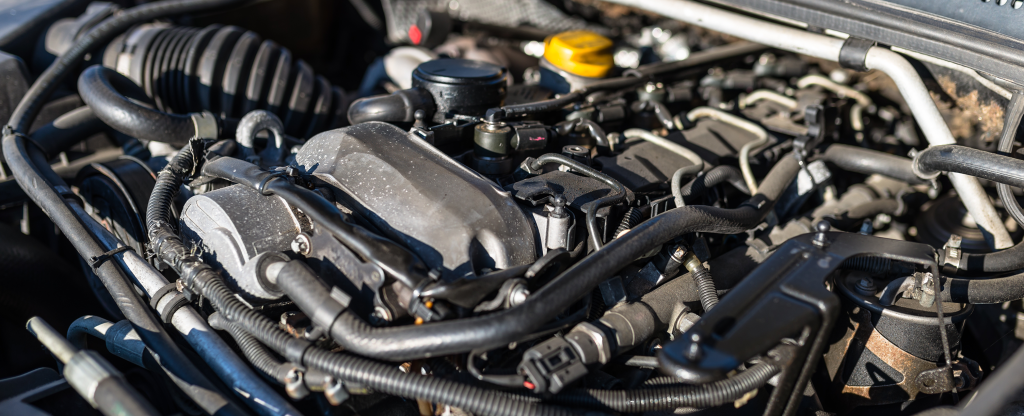
Imagine your car’s engine has just blown. You now have a choice to make that will greatly affect both your wallet and your car’s future performance. A decision between a remanufactured or rebuilt engine should involve a lot more consideration than merely getting the lowest cost – it’s a choice to make smartly about investing in your car’s reliability and longevity.
Here at Maclane’s Automotive, we understand that this choice can seem daunting. Whatever choice you end you end up making, it will have an effect on the long-term reliability of your vehicle, warranty coverage you receive, cost of ownership, and the safety of driving.
Consider engine replacement as heart surgery for your vehicle. You’ll want the best “heart” your money and your vehicle can afford! A remanufactured engine provides factory-spec dependability with warranty coverage, and a used engine may be lower-cost up front but bears some risks.
Let’s consider your alternatives to enable you to make an educated choice that has you driving again safely without having to take out a second mortgage.
Knowing Your Engine Options: New, Remanufactured, and Used Engines
If you must replace an engine, there are three things you can do:
1. New Engines
- Brand new parts directly from manufacturers
- Manufactured according to current specifications and standards
- Most expensive option but offers maximum reliability
- Comes with full manufacturer warranty coverage
2. Remanufactured Engines
- Rebuilt engines with new components installed
- New pistons, rings, and bearings are included
- Comes with a three-year unlimited mileage warranty
- Undergoes thorough testing including compression checks, oil pressure verification, valve timing inspection, cooling system pressure tests
3. Used Engines
- Engines sourced from salvage yards
- Limited history and maintenance records available
- Typically comes with a 90-day parts-only warranty
- Potential internal wear and issues that are unknown
- Requires careful inspection before installation
Each option has its own advantages and is suitable for different situations in auto repair. A new engine might be the best choice for newer vehicles still under warranty. Remanufactured engines hit the price-for-quality sweet spot for the majority of repairs. Used engines become the European vehicle owner’s option of choice once remanufacturing pricing is prohibitively expensive based on parts prices.
What you should do varies with the specifics of your vehicle, budget, and future intentions. There is one note of caution on the decision: a quality auto repair shop will extensively test any engine before it is installed, especially in the case of a used engine. This way, you are receiving a proven replacement that will fit your purposes.
What Is a Remanufactured Engine?
A remanufactured engine is the ideal choice for engine replacement. The engines are constructed to the same specification as the factory’s original engines by a meticulous process of rebuilding and rejuvenation. During remanufacturing, the engine is completely taken apart, and important parts are replaced with new ones:
- New pistons and rings
- Fresh bearings
- Updated valve components
- Precisely machined cylinder walls
One of the biggest benefits of choosing a remanufactured engine is the extensive warranty coverage. You’ll usually get a 3-year unlimited mileage warranty that covers both parts and labor – giving you peace of mind for your investment.
Before any remanufactured engine leaves the facility, it goes through strict quality control testing:
- Compression Testing – Ensures each cylinder meets factory specifications
- Oil Pressure Verification – Confirms proper lubrication system function
- Valve Timing Checks – Validates precise engine timing
- Multi-Point Inspections – Examines all critical components
These engines are, in effect, remanufactured to like-new condition, better than or equal to the original equipment manufacturer’s (OEM) specification. Remanufacturing addresses known factory flaws and in some instances, adds new design enhancements, so the engine may be better than new.
The quality control on the remanufactured engines is very strict.
What to Anticipate from a Used Engine
When buying a used engine at a salvage yard, there are some unknowns you ought to know. A used engine, as compared to a new one, will have some unknowns and weaknesses that may affect its performance and lifespan.
Unknown Factors with Used Engines
The following are some of the most important factors that might not be revealed while buying a used engine:
Maintenance records: You cannot obtain the entire maintenance history of the engine and, therefore, will not know if it was well maintained or not.
Mileage records: The mileage of the engine could be faked, so you do not know how much use it has actually had.
Prior repairs: There could be fewer documents of any repairs done to the engine, and you do not know what its condition is.
Hidden damage: It may be that there is unseen damage to the engine, including internal problems or wear and tear.
Warranty Limitations
The majority of salvage yards come with a standard 90-day parts-only warranty on reconditioned engines. This implies that if some of the included parts malfunction within this timeframe, they will be repaired at no expense to you. Similar to before, this is not a labor-fee warranty for installing or removing the engine!
This partial protection could get you high bills if issues arise after the warranty duration or if they are very labor-intensive to repair.
Common Risks with Used Engines
There are several common issues that can occur with used engines:
- Blown head gaskets
- Stretched timing chains
- Worn tensioners
- Low compression in cylinders
- Internal damage from poor maintenance
- Leaking seals and gaskets
Such dangers serve to heighten the importance of thorough inspection and testing before the installation of a second-hand engine.
Significance of Professional Inspection
To reduce the possible hazards of second-hand engines, professional inspection before fitting is extremely important. Some of the most important tests to be conducted while inspecting are as follows:
- Compression testing of all cylinders
- Oil pressure verification
- Cooling system pressure tests
- Visual inspection of all components
- Oil filter examination for metal particles
- Bore scope inspection of cylinder walls
These tests will help you establish whether there are existing issues or faults in the engine, thereby helping you make an informed decision on whether the engine can be used on your car.
Moisture Buildup Issues
Salvage yard engines are exposed to weather, and it makes moisture accumulate in vital places like spark plug holes. This kind of moisture accumulation is dangerous enough to cause corrosion and damage if not examined.
They should be cleaned and inspected well before they are installed so that no water or dirt gets inside the engine when it’s running.
Maintaining Additional Costs in Mind
When you are considering the price of a used engine, keep in mind that there are costs beyond the price of purchase. Some of the costs you might consider are:
Possible repairs: If you find any problems that seem to come up during inspection, you might have to budget for some repairs prior to putting in the engine.
Seal replacement: Seals will eventually deteriorate and leak. It’s a good idea to replace them as part of your maintenance routine.
Risk of total failure: Although rare, there is always the potential for an engine to totally fail once installed. This risk needs to be mitigated by your overall investment.
By taking these items into account, you are able to make a better judgment about whether or not a used engine is worth the investment compared to the other alternatives available to you.
Key Factors to Consider When Making a Decision Between Remanufactured and Used Engines
Your decision to replace the engine is based on three primary considerations:
1. Cost Considerations
- Remanufactured engines typically cost more upfront
- Used engines offer immediate savings
- Factor in warranty coverage value – remanufactured engines include comprehensive 3-year warranties
- Labor costs remain similar for both options
2. Time Requirements
- Used engines can be installed quickly when available
- Remanufactured European engines need 2+ months for completion
- Standard remanufactured engines take about half that time
- Diesel engine timelines vary based on complexity
3. Quality & Performance
- Remanufactured engines provide consistent, predictable performance
- Used engines carry unknown performance variables
- Quality testing options differ significantly between choices
Special Considerations for Different Vehicle Types:
European Vehicles
- Parts costs for remanufactured European engines are exceptionally high
- Many European car owners choose used engines despite risks
- Only 2-3% of engine rebuilds involve European models due to cost barriers
Diesel Trucks
- Used diesel engines often cost as much as remanufactured options
- Better value found in remanufactured diesel engines
- Full warranty coverage makes remanufactured diesels the smarter choice
Why Warranty Matters in Engine Replacement Decisions
The huge difference in warranty cover between remanufactured and second-hand engines can be the deal- sealer in your investment. A remanufactured engine will generally include a 3-year unlimited mileage warranty on parts and labor – a huge benefit compared to used engines.
Let’s break down the warranty differences:
Remanufactured Engine Warranty:
- Full parts and labor coverage
- 3-year protection
- No mileage restrictions
- Professional support throughout warranty period
Used Engine Warranty:
- Parts-only coverage
- Limited 90-day protection
- No labor coverage
- Limited support options
Installing an engine requires substantial labor hours – it’s not a simple “velcro and zip ties” job. When a used engine fails under warranty, you’re stuck paying labor costs again for removal and replacement. These labor costs can easily run over $2,000, making what was originally a thrifty option an expensive error.
The factory guarantee on remanufactured engines can give you confidence that’s invaluable. You’re getting what you’re putting in – a pro-grade motor with new components like pistons, rings, and bearings. This warranty coverage is a reflection of how much faith the manufacturer has in the quality and durability of their product.
A solid warranty also guarantees professional service should something go wrong. Rather than being left to handle problems alone, you have experienced technicians ready to diagnose and resolve warranty-covered repairs properly.
How Our Auto Repair Experts Handle The Problem
At Maclane’s Automotive, our rigorous testing process for used engines includes:
Compression Testing – Each cylinder undergoes thorough compression checks to identify potential valve or piston issues
Oil Pressure Verification – We test oil pressure at various RPMs to ensure proper lubrication
Cooling System Pressure Tests – Running pressure tests up to 20 PSI for an hour to detect any leaks
Oil Filter Analysis – We inspect used oil filters for metal particles or debris that could indicate internal wear
We also perform these critical checks:
- Bore scope inspections of cylinders
- Complete visual inspection of all seals
- Verification of timing components
- Multiple gauge testing to confirm readings
Our experience shows that thorough pre-installation testing saves customers from costly repairs down the road. In one case, our testing revealed a faulty valve in what appeared to be a perfectly good used engine. By catching this issue early, we protected our customers from potential engine failure and thousands in additional repair costs.
These real-world examples demonstrate why proper testing procedures aren’t just about maintaining quality standards – they’re about protecting our customers’ investments and ensuring their vehicles perform optimally.
Choose Maclane’s Automotive
Are you deciding whether to opt for a remanufactured or used engine? Consider how either one of them impacts your car’s dependability and your own peace of mind. Take your time and consult an expert from professionals who are familiar with the pros and cons of engine replacement.
At Maclane’s Automotive in Downingtown, PA, we assist you in making an informed choice regarding your engine investment. Our dedication to quality work and rigorous testing provides you with the best remedy for your particular issue.
Want to talk about your engine replacement options? Call us at (610) 590-9974. We’ll offer you honest advice and sound service to set your car on the road safely for years to come.
Let our professionals take care of your car and your happiness – because every replacement engine should be treated with professional love and care!
