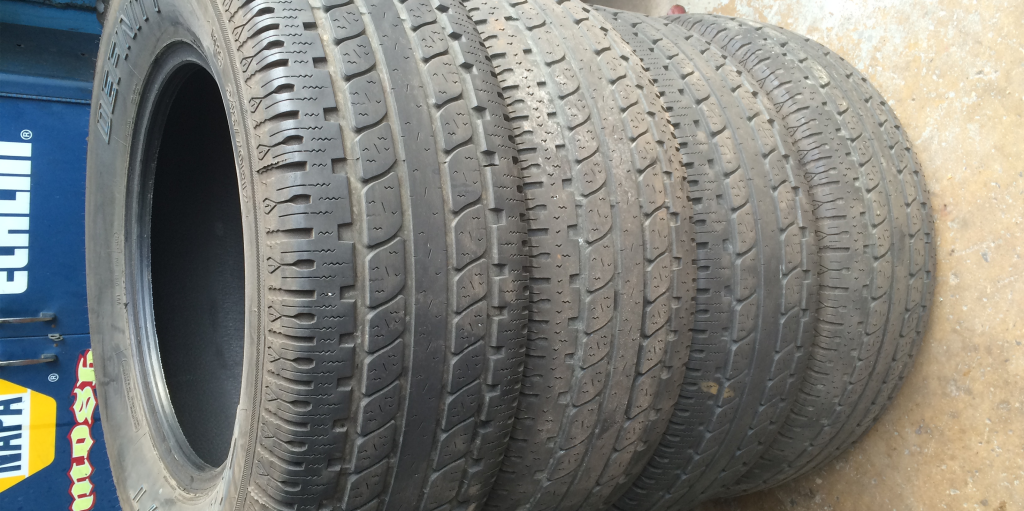
Tires have always been one of those “big” vehicle expenses. You don’t buy them every month, but the bill arrives at the scheduled time, which creates an experience that feels like a gut punch. The number of drivers who now face tire sticker shock has increased, which results in evident changes to their purchasing patterns.
At Maclane’s Automotive, more car and truck owners are attempting to extend the lifespan of their existing tires. They now replace fewer tires during each replacement cycle, while some drivers choose to switch to cheaper tire brands to maintain their budget. The short-term advantages lead to better business results but make the waiting period more difficult.
What’s Driving Tire Sticker Shock Right Now
Current conditions show that tire pricing has reached an unprecedented level of expense through their current market status. Tire prices have climbed quickly in recent years, and not just a little. People need to search for alternative solutions when their costs for essential items increase at a faster rate than their income gains.
The market now features a much wider price range between premium tires and budget tires than it did in the past. In previous years, lower-cost options used to attract drivers who wanted to save money. The current situation requires different mathematical calculations. The cost difference between first-rate and second-rate tires exceeds $100 for each tire, according to actual market price comparisons.
How Purchases Are Changing: Delaying, Downsizing, And Trading Down
When prices feel steep, drivers usually respond in a few predictable ways.
First, many people delay replacement. Tires are one of the few maintenance items you can “stretch” for a while, especially if the vehicle still feels fine on the road. A lot of drivers simply try to push their tires further than they normally would.
Second, some drivers downsize the purchase by replacing two tires instead of four. If the front tires are worn and the rears still have some life left, replacing two can be tempting. It lowers the bill today, and for some situations, it can be a practical approach when done correctly.
Third, we’re seeing a clear trade-down trend, where shoppers move from premium brands to mid-tier or budget tires. As consumers compare the price difference, lower-tier tires are gaining share because they help people manage the immediate cost.
The big question is what happens next. If a driver trades down and has a good experience, they may not feel the need to return to a premium tire later. That can reshape brand loyalty across the tire market for years.
Why Trading Down Can Feel Like A “Win” (And When It Isn’t)
There are cases where stepping down in price works out fine. Plenty of drivers have straightforward needs: commuting, school drop-offs, local errands, occasional highway driving, and maybe some light rain. If a lower-cost tire meets those needs, the value can feel excellent.
Premium tires provide better wet braking performance along with enhanced traction stability throughout their lifespan because they decrease road noise while increasing ride quality and delivering better warranty protection and extended tread duration. Although some tire brands cost more than others, premium tires do not provide superior performance to all drivers.
When budget tires experience faster wear, increased noise, and decreased rain performance, then consumers lose their initial cost advantage. The tire becomes dangerous when its design does not match your driving style because this creates serious safety threats that you should not risk.
Our pros here at Maclane’s Automotive like to frame this as a “total value” decision, not a price-only decision. A mid-tier tire provides the optimal solution because it delivers cost-effective performance results. A premium tire becomes necessary in situations where it provides extended durability and superior performance during your regular operational needs.
The Hidden Cost Of Delaying Tire Replacement
People understand how they can damage their tires by using them until their maximum distance. The problem is that the risks often show up suddenly, not gradually.
Worn tread increases stopping distance because of its impact on wet road conditions. Tires with near-worn bar indicators become more likely to experience hydroplaning. Potholes and highway speeds create a risk of tire blowouts and roadside emergencies, which will cost more than the actual tire expenses.
The process of delaying will create uneven tire wear when your vehicle experiences alignment problems, suspension component breakdowns, and incorrect tire pressure maintenance. In that case, you are not just “stretching” the tires; you are burning through what life they have left faster than you realize!
Buying Two Tires Instead Of Four: Smart Option Or Risky Shortcut?
The choice to replace two tires instead of replacing four tires proves to be beneficial for particular situations because it provides financial savings. Your vehicle requires the correct method of implementation as an essential requirement. Drivers of front-wheel-drive or rear-wheel-drive vehicles usually choose to replace two tires at once, but the location of the new tires determines their effectiveness.
Most situations require the installation of tires with deeper tread on the rear axle to decrease oversteering risk and maintain vehicle control during rainy weather. The operation of all-wheel-drive vehicles presents difficulties for technicians. Certain all-wheel-drive systems will face operational challenges when drivers use mismatched tire sizes and excessive tread depth variations. That can lead to expensive repairs that make the “two tire” savings feel pretty painful later.
If you’re thinking about replacing two instead of four, we recommend letting our team measure tread depth on all four corners and confirm what your vehicle can safely handle. A quick check can save you from buying the wrong combination.
What This Means For Tire Brands And Long-Term Loyalty
One of the most interesting shifts right now is how situational decisions can turn into permanent buying habits.
Drivers who have been loyal to premium brands for years are trying lower-priced options under financial pressure. If their experience is positive, they may decide they never needed the premium brand in the first place. And once that door opens, it can spread. A shopper who decides “budget tires are fine” may start asking the same question about batteries, wiper blades, or even oil choices.
For premium brands, winning those customers back later could be difficult, especially if price gaps stay wide. For drivers, the upside is that the market becomes more competitive. The downside is that it’s easier than ever to buy based on price alone and end up with something that does not truly fit your driving needs.
Practical Ways To Reduce Tire Costs Without Cutting Corners
There are a few strategies we recommend that can help lower the total cost of tire ownership without risking safety or getting stuck with a tire you regret.
The biggest one is maintenance. Proper inflation, regular rotations, and alignment checks can extend tire life and keep wear even. That often saves more money than picking the absolute cheapest tire.
The next step is choosing the right tier for how you drive. We can help you compare options based on your mileage, road conditions, weather, towing or hauling needs, and ride comfort preferences. Often, a value-focused mid-tier tire is the “sweet spot.”
Finally, timing and planning help. If you know your tread is getting low, it’s easier to shop calmly, compare options, and schedule installation before you’re forced into a rushed decision after a puncture or a failed inspection.
Here are a few quick ways to keep tire costs under control:
- Keep tires inflated to the door-jamb sticker spec and check pressures monthly (temperature changes matter more than most people think).
- Rotate on schedule and address alignment issues early, because uneven wear is one of the fastest ways to waste a set.
How We Help You Make The Right Call
Sticker shock is real, and we don’t judge anyone for trying to keep costs down. Our job is to help you make a smart decision for your vehicle and your budget.
We will conduct a tire assessment by inspecting your tires and measuring tread depth while checking for uneven wear patterns and discussing your actual tire requirements. We will assist you in selecting a tire that matches your driving needs if you decide to switch to a lower-grade tire. Our experts will direct you to the proper tire installation locations for your vehicle, which includes the essential tire matching requirements, when your vehicle permits two tire replacements. We will explain the safety limit for your replacement delay in simple language while demonstrating our observations.
We also focus on helping you avoid “false savings,” where the cheapest tire ends up costing more through faster wear, noise complaints, poor wet traction, or avoidable damage.
Let’s Get You Back On The Road With Confidence
You are not alone if tire prices make you hesitate because you can receive assistance from others who understand your situation! To schedule a tire inspection or receive a personalized quote, contact us at Maclane’s Automotive in Downingtown, PA, at (610) 981-2183 today. We will guide you through selecting the best tires for your vehicle. Our team will assist you in evaluating expenses against safety requirements. We make it our job to ensure that the tires you purchase today maintain their value as a sound investment throughout your future driving experience.
