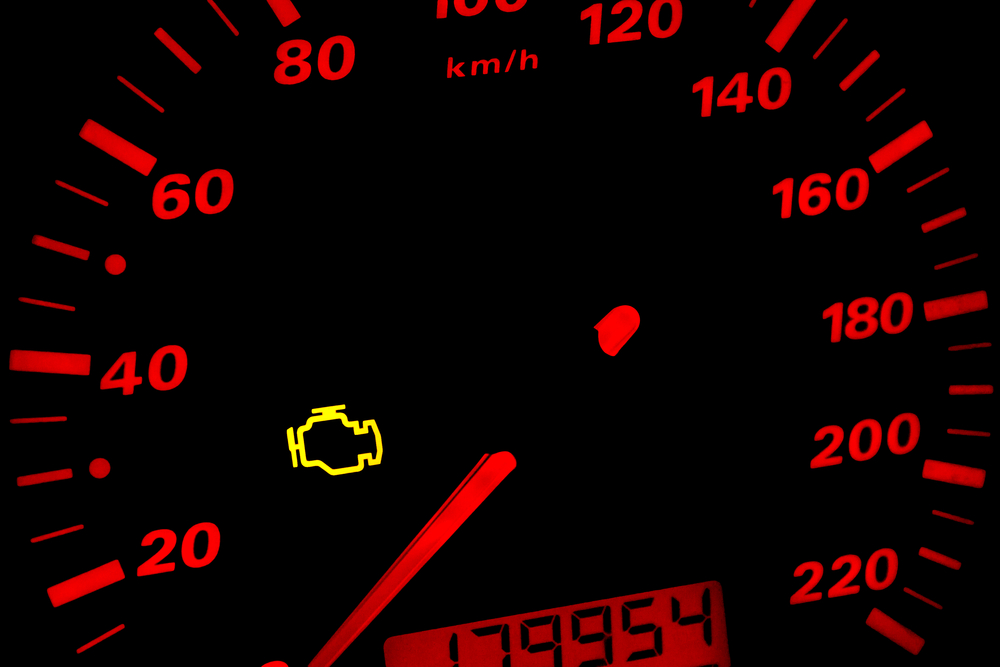
Got a Blinking Check Engine Light? Here is what it means and why you should not ignore it.
A check engine light is easy to ignore when your car seems to be driving fine (though this can also be communicating a problem from “behind the scenes!”) A blinking check engine light, however, is different. That flashing light is your car telling you that something is going wrong now. If you keep driving without caution, you could be letting a problem that can be fixed fairly easy turn into quite an expensive one.
If you are in Downingtown, PA, and your check engine light is blinking, you can take your car to us at Maclane’s Automotive! Our team of pro mechanics will figure out what is wrong, hands down. We will also explain it to you in a way that is easy to understand. Continue reading to learn more about what that blinking light is most likely trying to tell you.
What A Blinking Check Engine Light Usually Means
A blinking check engine light usually means that your engine is misfiring badly. This happens when one or more of your engine cylinders is not burning the air and fuel mixture correctly. This might sound like a problem with how your car’s performing, but the bigger concern is what happens next.
When your engine misfires, unburned fuel can get into your exhaust system. This can cause a lot of heat and damage your converter. Catalytic converters are not cheap. They are supposed to help clean up the bad things your car puts into the air, not get damaged by heat.
A blinking light is like your car saying, “stop pushing me,” “I am putting fuel where it should not go,” and “you could cause damage if you keep driving like this”.
Solid Vs Blinking Check Engine Light: What Is The Difference
This is one of the important things to understand about your car’s dashboard.
A solid check engine light usually means that your car’s computer has found a problem that needs to be fixed. It is not an emergency. You might get reduced fuel economy your car might idle roughly. You might have problems with emissions. You should still get your car checked soon, but you can probably drive it carefully to a shop without major problems.
A blinking check engine light is usually an emergency. This means that something is going wrong now, and it could cause damage quickly. If your light is blinking, you might also notice that your car is shaking or vibrating, you are losing power, or your car is hesitating when you accelerate. You might even smell fuel or hear your engine sounding strange.
What To Do When The Light Is Blinking
If you are reading this and you are sitting in your car, here is what you should do.
- Ease off the throttle. If you are driving, slow down. Try not to accelerate too hard. This will help reduce the load on your engine.
- Find a place to pull over. If your car is shaking a lot or making noises, it is safer to pull over.
- Decide if you should drive or tow your car. If your blinking light is accompanied by symptoms, it is probably better to tow your car. If your car is running smoothly, you might be able to drive it a short distance to a nearby shop, but try to avoid highways and drive gently.
If you are not sure what to do, you can call us at Maclane’s Automotive. Talk to them about it. They can help you figure out whether it is safe to drive your car or if you should get it towed.
What Causes A Check Engine Light To Come On
There are a lot of reasons why a check engine light can come on. Some are small. Some are serious. A blinking light usually means something serious is going on. You need to get your car diagnosed to know for sure.
Here are some common reasons why a check engine light might come on.
- A loose or damaged gas cap can cause a leak. Trigger a check engine light. This is usually linked to a light, but it is common enough to mention.
- Faulty spark plugs, wires, or ignition coils can cause misfires, which can lead to a blinking light.
- Oxygen sensor problems can cause your engine to run too rich or too lean, which can hurt your fuel economy and emissions.
- Mass air flow sensor problems can cause your engine to run roughly or stall.
- Catalytic converter problems can be a cause and an effect. A failing converter can trigger codes and drivability issues. A misfire can overheat and damage a converter.
Why Ignoring The Check Engine Light Usually Costs More
A lot of people put off getting their car diagnosed because they are worried it will be expensive. The truth is that waiting usually makes it more expensive.
If you ignore the light, you might get decreased fuel efficiency, which means you will have to stop for gas often. You might also get repairs, such as having to replace your catalytic converter. If you are in Washington, you might have to deal with emissions problems, which can be a hassle.
If you get your car diagnosed quickly, you can avoid breakdowns at the time. You do not want your car to fail when you are late. You are nowhere near your preferred repair shop.
How A Check Engine Light Diagnostic Works At Maclane’s Automotive?
Modern cars store fault codes when something is wrong. Pulling a code is not the same as diagnosing the cause. It is a start toward fixing the problem.
At Maclane’s Automotive, the diagnostic process is built to answer the questions you really care about: what is wrong, what caused it. What is the smartest way to fix it?
What We Look At During Diagnostics
Depending on the symptoms and codes, the technicians at Maclane’s Automotive might look at:
- Misfire counters and live engine data
- Fuel trim readings
- Ignition system performance
- Air intake and mass air flow sensor data
- Oxygen sensor behavior
- Signs of catalytic converter stress
- Vacuum leaks or intake issues
You will also get a plain English explanation of what is wrong with your car and what you need to do to fix it. No vague answers, no mystery, clear options, and what happens if you delay.
Common Scenarios We See In West Seattle
Every shop sees patterns. Here are a few that come up often.
- “It only blinks when I accelerate uphill”. This is usually a sign of a misfire under load.
- “The light started solid, then turned into blinking”. This can happen when a minor issue becomes a misfire.
- “I just need it to last until the weekend”. We get it, life is busy. If the light is blinking, the risk is that you might not get that choice. A quick diagnostic can tell you whether it is safe to drive term or if stopping now avoids a bigger repair.
When It Is Safe To Drive And When It Is Not
Every situation is different. Here are some guidelines.
- It might be okay to drive a distance if your car is running mostly smoothly, the blinking is brief, and you are driving gently to a nearby shop.
- You should stop driving and consider a tow if your engine is shaking hard, you are losing power, or the light is blinking continuously. You smell fuel or see smoke.
If you are unsure, come on in for a short conversation that can prevent an expensive guess!
Schedule A Diagnostic And Get A Straight Answer
A blinking check engine light is one of those warnings you really want to respect. It is often a misfire. Misfires can damage costly components quickly.
Our experts at Maclane’s Automotive have been doing check engine light diagnostics since 1971. We can handle everything from simple fixes to complex engine repairs. You will get recommendations, not confusion.
Ready to figure out what that dashboard light means? Call us at Maclane’s Automotive today at (610) 590-9974 to schedule an appointment.
