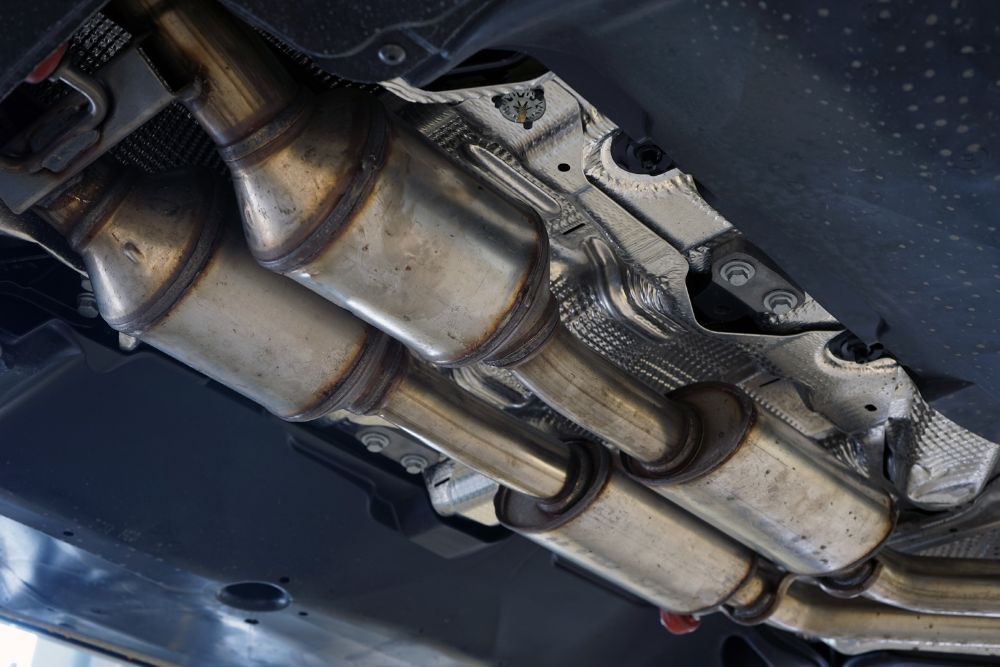
Catalytic converters can be one of the most misunderstood car parts. However, they are an important component in maintaining both the function of your vehicle and the environment around you. When your catalytic converter isn’t working correctly, it can cause your car to fail its emissions test, performance issues, and sometimes impact your fuel economy. This is why it’s essential to recognize signs of a failing catalytic converter and get it repaired as soon as possible.
What is a catalytic converter?
A catalytic converter is a device within your car’s exhaust system that converts toxic pollutants in your exhaust gas into less harmful ones. It utilizes a catalyst either made of platinum, palladium, or rhodium, to facilitate the chemical reactions necessary to break down pollutants.
Signs of a failing catalytic converter.
The most common sign of a failing catalytic converter is when your “check engine” light comes on. Other signs include reduced fuel efficiency, power loss, sulfur smells from exhaust, and louder than usual sounds. If you start experiencing any of these signs, you should take your car to a professional mechanic immediately before more damage occurs.
How a catalytic converter repair works.
When addressing a failing catalytic converter, there are generally two paths: repair or replace. A damaged converter can sometimes be repaired if the internal components are not too damaged. Repairing the faulty catalytic converter involves sealing any leaks or other damage to the unit. Otherwise, the catalytic converter should be replaced entirely.
A catalytic converter may be a small part of your vehicle, but it’s an essential component that helps keep the air cleaner for you and the environment. Maintaining your catalytic converter is critical in protecting its functioning and avoiding repairs or replacements that could be costly. If you notice signs of a failing catalytic converter, it is essential to take your car to an experienced mechanic immediately to prevent further damage.
FAQs
1. What is a catalytic converter?
A catalytic converter is a component in your car’s exhaust system that converts harmful pollutants in exhaust gases into less harmful emissions using a catalyst made of precious metals like platinum, palladium, or rhodium.
2. Why is a catalytic converter important?
It plays a vital role in reducing vehicle emissions, improving air quality, and ensuring your car complies with environmental regulations.
3. What are the signs of a failing catalytic converter?
Common signs include:
- Check engine light turning on
- Reduced fuel efficiency
- Power loss during acceleration
- A strong sulfur or rotten egg smell from the exhaust
- Louder than normal exhaust sounds
4. Can a catalytic converter be repaired?
Yes, in some cases. If the internal structure isn’t heavily damaged, issues like leaks or clogs may be repaired. However, severe damage typically requires a full replacement.
5. What happens if I don’t fix a bad catalytic converter?
Neglecting the issue can lead to poor engine performance, higher fuel consumption, and potentially cause further damage to the engine or exhaust system.
6. How much does it cost to replace a catalytic converter?
While prices vary, replacing a catalytic converter can be costly due to the precious metals inside. Costs often range from a few hundred to over a thousand dollars, depending on the vehicle.
7. Can I drive with a bad catalytic converter?
You may be able to drive for a short period, but it’s not recommended. Continued driving with a failing converter can harm your engine and lead to costly repairs.
8. How can I extend the life of my catalytic converter?
Regular vehicle maintenance, using the correct fuel, and addressing engine problems early can help prolong its life.
9. Will a failing catalytic converter cause my car to fail an emissions test?
Yes, a malfunctioning catalytic converter is one of the most common reasons for failed emissions tests.
10. Is catalytic converter theft a concern?
Yes. Because catalytic converters contain valuable metals, they are a frequent target for theft, especially in certain vehicle models. Installing a protective shield can help deter thieves.
