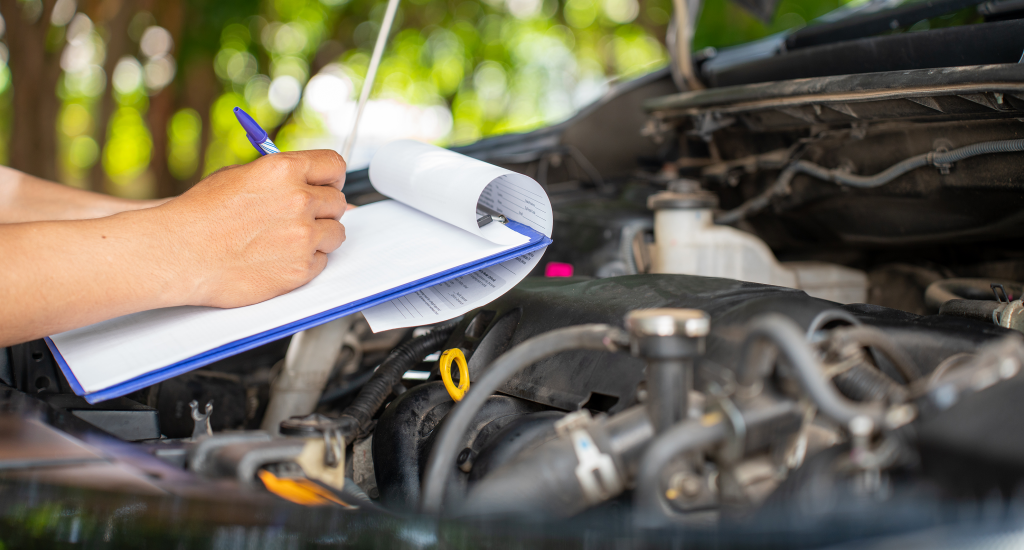
If you own a car or a truck long enough, it becomes clear that most costly repairs don’t simply happen out of nowhere. There are signs and symptoms that appear due to constant use in various conditions that eventually turn into problems that are hard and costly to fix. Our workshop offers preventative maintenance services specifically designed to protect your car from the risk of a nasty surprise when you drive. Below, we will offer a maintenance checklist that will keep your car in prime condition, maximize its resale value, and reduce the risk of breakdowns.
Why A Maintenance Checklist Saves You Money
Firstly, a maintenance checklist is an instrument that helps you stay consistent in performing basic tasks, the importance of which is difficult to overstate because most car issues occur precisely due to neglect of the basics. Secondly, a checklist is a way to discover small issues before they become serious.
For instance, poor fluids cause unnecessary wear and tear; underinflated tires get replaced prematurely; and a bad battery affects many other components of the vehicle, including the alternator.
Monthly Quick Checks (5 To 10 Minutes)
These are simple checks you can do in your driveway. They are also the same items we look at because they often reveal issues before they become urgent.
Start with tires. Checking pressure is recommended whenever tires look low and comparing it to the sticker located on the driver-side door jamb. Take a moment to also inspect tread depth and wear pattern since uneven wear can be a symptom of poor alignment or a suspension problem or a result of improper tire inflation.
The next item on the list is checking the functioning of exterior lights since faulty bulbs are easy to miss even if you have a habit of checking the lights once in a while. However, a damaged bulb is a relatively easy problem to solve. Open the hood and have a brief look under it to check whether there are any leaking fluids, cracked hoses, or battery corrosion.
Be sure that you have topped up your washer reservoir since it is one of the cheapest ways to improve your visibility on the road.
Every 3,000 To 7,500 Miles: Oil And Under-Hood Basics
Fluid changes are still the primary preventative measures one should undertake regularly. This will depend on the type of your engine, your driving habits, and the quality of fluids you use. Frequent changes of the engine oil should be performed if you make many short trips, pull something, drive aggressively, or operate under extreme temperatures.
Since you are changing the oil, you might want to examine the level and condition of other fluids – coolant, brake fluid, and power steering fluid (unless this one is checked by using a dipstick). In addition, you should examine all belts and hoses for possible damage since they usually break due to excessive heat exposure.
Changing them early before failure costs less compared to fixing the overheating caused by failed belts and hoses.
Every 5,000 To 10,000 Miles: Tires, Brakes, And Alignment
Even though your car is built with an all-wheel-drive system, the tires on the front and rear axles don’t always get used in quite the same way. So the tread can wear out at uneven rates, and you may end up rotating the tires from time to time, just to keep the contact patch more even, kind of. Also, if you notice the car won’t go straight, it pulls to one side, or you spot unusual tire wear, then you should schedule an alignment, not later. On top of that, it is worth checking your brakes too, because brake pads wear gradually, and it’s easy to miss at first, until it becomes a real problem. If your car starts squeaking, vibrating, or making a grinding sound when you brake, then call our professionals right away.
Every 12 Months: Filters, Battery, And A Full Visual Inspection
While air filters and cabin filters do not require constant attention, it pays to check them regularly. Engine air filters contribute to overall vehicle performance and impact engine efficiency. However, the cabin air filters are the part that helps you breathe easier by moving in cleaner, fresher air while you drive. If your vehicle is a truck or has lots of add-ons, towing capabilities, and such, and it also sits outside for long periods, then don’t skip regular battery checks. Battery problems can look small in the beginning, but they usually turn into bigger concerns sooner than expected. In fact, there’s also the chance that the car’s electronics can quit together, all at once.
So if you notice slow cranking, lights that flicker weirdly, or your battery is already older than a couple of years, have it inspected. We also suggest a yearly visual check of the vehicle, so you can catch possible leaks like oil or coolant, and you can see worn suspension parts too.
Seasonal Prep: Before Summer And Before Winter
The effects of temperature on vehicles are different and should be considered in advance. With the first increase in temperature, check the cooling system of your car. If your coolant is old, mixed incorrectly, and you do not have enough of it, there will be difficulties regarding overheating of the engine and problems associated with towing a trailer. Before the summer stretch really starts, it’s important that your A/C system works as it should. Make sure it keeps a comfortable temperature inside the cabin. And when the outside temperature drops, your battery can become less effective, and it might perform more poorly. Also get the vehicle set for winter: swap the tires, put in fresh windshield wipers where they’re needed, and confirm the defroster is working properly.
The Simple Checklist We Recommend
Use this as your baseline and adjust for your vehicle’s owner’s manual and your driving habits.
- Monthly: Tire pressure and tread check, lights check, washer fluid top-off, quick under-hood leak and battery terminal look
- 3,000 to 7,500 miles: Oil and filter service, fluid level checks, belt and hose check
- 5,000 to 10,000 miles: Tire rotation, brake inspection, alignment check if any pull or uneven wear
- Annually: Engine and cabin air filters, battery and charging test, full visual inspection
- Seasonally: Cooling system and A/C check before summer, battery and winter readiness check before cold weather
When To Stop Waiting And Schedule Service
Some issues are not “wait until the next oil change” problems. Whenever you have any warning lights illuminated on your dashboard or experience other problems such as overheating, smell of burning substances, fluid leaks, transmission grinds or bangs, vibrations, grinding brakes, or steering instability, please make an appointment with us. It is highly likely that your problem can be solved in the early stages and does not necessitate a lot of work.
Let’s Keep Your Vehicle Reliable
Proper vehicle maintenance is more about preventing a problem from getting bigger than doing absolutely everything at once. To create an effective maintenance program for your car or truck, or if you need some peace of mind, give us at Maclane’s Automotive in Malvern, PA, a call at (484) 321-8137. We’ll help you prevent repairs, avoid vehicle damage, and save money in the long run.