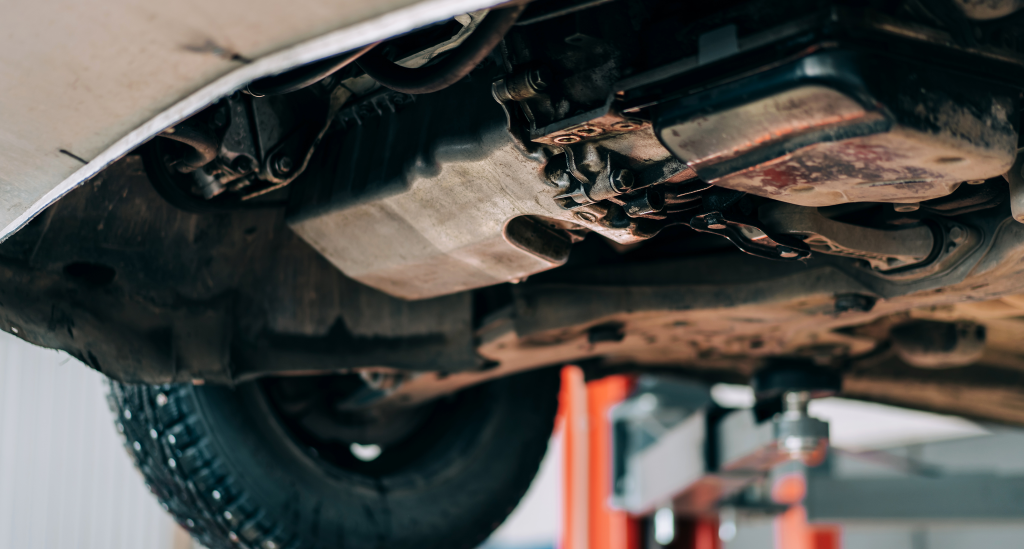
A transmission leak is one of those problems that can look small at first and turn expensive fast. The few drops that appear on the driveway today will result in low fluid conditions, which cause slipping gears, overheating, and major internal damage sooner than most drivers expect.
At Maclane’s Automotive, we help car and truck owners catch transmission leaks early, fix them correctly, and protect the transmission long-term. The appearance of red or brown fluid under your vehicle, together with a burnt smell and shifting problems, should lead you to seek immediate vehicle inspection. The process of responding quickly to an emergency situation results in simpler repairs, which require shorter downtime periods and produce reduced expenses.
What A Transmission Leak Looks Like (And Why It Matters)
The transmission system requires transmission fluid to function properly. The system maintains moving parts lubrication while controlling temperature and providing the hydraulic pressure needed for shifting operations. The transmission loses its ability to function correctly when it experiences fluid leakage.
Common signs we see with transmission leaks include fluid spots where you park, low fluid on the dipstick (if your vehicle has one), delayed engagement when shifting into drive or reverse, slipping between gears, and overheating. Drivers typically experience problems, which include whining noises and rough shifting, when their vehicles operate under load or during towing.
The color of an unknown liquid helps identify its nature. The initial color of the new transmission fluid appears red. The fluid develops a darker red shade, which progresses to brown and emits a burnt scent as time passes. The important part here states that you must address a transmission fluid leak immediately instead of continuing to add fluid without finding its cause. The transmission will experience greater overheating problems because fluid leaks will result in more dangerous running conditions.
Common Causes Of Transmission Leaks
The combination of heat, vibration, and impact damage causes transmission leaks to occur from normal component wear because these factors create operational stresses on the system. Some leaks develop gradually while others result from sudden seal failures or line damage.
Below are the most common sources of leaks that we check during inspections and handle through repairs:
- Seals and gaskets (pan gasket, input/output shaft seals, axle seals): These can harden or crack with age and heat cycles.
- Transmission pan or drain plug issues: Pans can warp, bolts can loosen, and gaskets can pinch or degrade. Drain plugs can strip or seep.
- Cooler lines and fittings: Lines can corrode, rub through, or leak at crimped sections and connections.
- Torque converter seal area: Leaks here can show up between the engine and transmission and often require more involved labor to access.
- Cracked case or impact damage: Road debris or off-road use can damage housings and components.
Even a small seep matters if it is coming from a spot that can suddenly fail. That is why we focus on identifying the exact source, not just cleaning the area and guessing.
Why Driving With A Transmission Leak Gets Expensive Fast
A transmission can sometimes feel “mostly fine” while fluid is slowly dropping, which is what makes leaks risky. Inside the unit, low fluid reduces lubrication and cooling. It also affects hydraulic pressure, which is what controls shifting in most automatics.
When fluid runs low, the transmission may start to slip. That slipping creates heat. Heat breaks down fluid. Broken down fluid loses protective properties. After that, damage accelerates quickly. Clutches glaze, seals shrink, and metal components wear faster.
We have seen plenty of cases where a simple gasket or line repair could have prevented a much larger repair later. The good news is that if you catch the leak early, you are often looking at a straightforward fix that gets you back on the road with confidence.
Our Transmission Leak Diagnostic Process
We take a methodical approach because accuracy is everything with leaks. Transmission fluid can travel along surfaces, collect on shields, and drip from a different point than where it started. So we focus on confirming the source before recommending repairs.
In our diagnostic work, we typically perform a visual inspection of known leak areas while assessing the fluid levels and condition of the fluid, and we inspect the vehicle components, which include cooler lines and vehicle fittings, and the pan rail, axle seals, and bellhousing area. We will clean the area if necessary to verify the path of the leak through the area.
The vehicle shows two signs of failure because it leaks and shifts incorrectly. A drivability problem together with a leak indicates that the system has low fluid levels and is experiencing overheating and internal component damage. The investigation results will be explained to you using simple words that help you understand our findings.
Transmission Leak Repair Options We Commonly Perform
The research team identifies the leak source before they suggest a permanent solution, which requires actual repairs instead of a temporary fix. The specific repair method will depend on the fluid leak location and the status of affected nearby components.
Pan Gasket And Filter Service
A leaking pan gasket is common, especially on higher-mileage vehicles. In many situations, we recommend servicing the pan correctly: removing the pan, inspecting the magnet and debris (if applicable), replacing the gasket, and addressing the filter if your transmission uses a serviceable filter. We also make sure the pan rail is clean and flat, and the hardware is torqued properly.
Cooler Line And Fitting Repairs
Transmission cooler lines are a frequent leak source and often get overlooked. We inspect the full routing because lines can rub, corrode, or leak at crimped sections. Fixing the correct section and verifying the fittings helps prevent the same leak from coming back.
Seal Replacement (Axle Seals, Output Shaft Seals, Input Seals)
Seals can seep for a long time and then suddenly worsen. If we find a failing seal, we look at related wear points, too. For example, an axle seal leak can be caused by bearing wear or shaft issues, so we check for play and damage before replacing parts.
More Involved Leak Repairs
Some leaks require deeper access, like torque converter seal area leaks. If we find a leak in a location that requires significant labor to reach, we walk you through the options and what makes sense for your vehicle’s age, use, and budget.

What You Should Do If You Suspect A Transmission Leak?
It is possible to detect transmission leaks through simple steps that need to be completed before your scheduled appointment.
The first step requires you to inspect the parking area and record which locations have which color spots. The second stage requires you to observe how the vehicle operates to determine whether it experiences transmission problems. The third step requires you to refrain from towing heavy objects until the leak receives proper handling.
The most critical point requires drivers to stop running their vehicle when their transmission displays slipping, overheating, or fails to engage properly. The best course of action requires you to stop your vehicle and request an immediate inspection. Low fluid levels will cause a minor leak to develop into severe operational issues.
Our system sends and receives data. The first step toward fixing the leak needs to be completed. Your transmission protection starts once you finish the repair work.
We verify that vehicle fluid levels reach their proper values while using the appropriate fluid type. Many people underestimate this matter because incorrect fluid selection results in transmission problems and extended equipment degradation. We evaluate the system for overheating and contamination signs because burnt or old fluid systems require urgent maintenance to prevent major system failures.
If you use your truck for towing, hauling, or long highway runs, we can also discuss additional prevention strategies based on your setup and driving needs.
FAQs
How Long Can I Drive With A Transmission Leak?
The leak detection process depends on two factors, which are the current speed of the leak and the existing level of fluid. A sudden loss occurs when a slow seepage builds up to permanent leakage, and transmission problems create immediate operational difficulties. If you observe fluid spills or witness moving alterations, you need to arrange an inspection.
Is Transmission Fluid Leak Repair Always Expensive?
Not always. The majority of leaks occur through gaskets, seals, and lines, which technicians can fix without needing to change the entire transmission system. The expensive situations usually happen when a leak is ignored, and the transmission is driven low on fluid for too long.
What Color Is The Transmission Fluid?
Automatic transmission fluid starts as red but develops a darker shade over time. The fluid will change to brown when it reaches old age, and it will emit a burnt odor when it has experienced overheating. Some newer vehicles use different fluids that can look slightly different, so if you are unsure, we can identify them during the inspection.
Schedule Fast, Reliable Transmission Leak Repair Today
Do not wait until your transmission fluid leak becomes more severe because you should address it immediately. Our team at Maclane’s Automotive in Downingtown, PA, provides transmission leak diagnostics and repairs, which protect your transmission system while stopping expensive damage from happening. Call (610) 981-2183 today to schedule your inspection and get back on the road with confidence.
