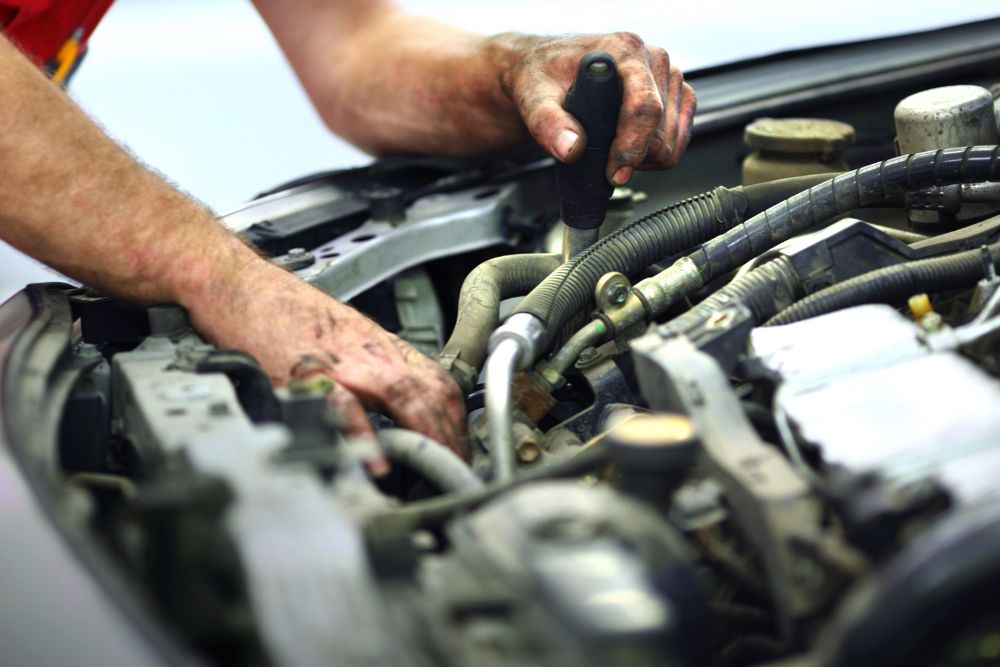
The check engine light in your vehicle continues to activate and deactivate throughout the day. This situation creates a high level of annoyance. You believe the situation does not matter because your vehicle operates without any problems. The light actually delivers a message that needs your attention.
The check engine light shows intermittent behavior because our team has determined that it indicates vehicle problems that exist in between these two states. Your vehicle is about to reach the point where it will fail the test that the computer performs on every trip you take.
The check engine light serves as a warning from your vehicle, which indicates that something important has gone wrong. The good news is that these problems are often easy to fix if you catch them early. The situation will develop into a more serious issue if you choose to delay your actions.
What The Check Engine Light Actually Means
The check engine light functions as the main indicator for the system, which handles vehicle operations. The vehicle operates through its embedded computer system. The system conducts tests on all vehicle sensors and systems, which determine engine performance and result in emission outputs. The system detects an issue, which leads to code storage. The system activates the light.
The vehicle experiences a self-repairing process when the light turns off. The light turns off because the computer detected no issues during its operating cycle. The system maintains the existing code, which enables the issue to reactivate at any moment.
Solid Light Vs. Flashing Light (This Part Matters)
You now see that the check engine light displays two different states, which are solid and flashing. This aspect holds significant value. A solid light means your car has a problem that needs attention. The situation does not constitute an emergency. The flashing light displays a problem that needs urgent care. The flashing light alerts drivers about a situation that needs urgent vehicle assessment. The car needs immediate assessment because the light begins to flash. You should stop driving your car when it begins to operate poorly.
So why does the check engine light come on and off in the place? Usually, it is because of faults. This means some parts only fail under conditions like when the engine is cold or when you are driving in heavy traffic.
Another reason is that the computer only runs self-tests under certain conditions. For example, the EVAP system only checks when the car is warmed up and driven at a speed. If there is a problem during that test, the light can come on. Then go off, making it seem random.
The Most Common Causes We See
Loose Or Failing Gas Cap (And Other EVAP Leaks)
We see a lot of causes for an intermittent check engine light. One of the common issues is a loose or failing gas cap. This can cause the EVAP system to set a code. Then it might “pass” later when conditions change.
The first step to take after filling your gas tank and experiencing a light activation is to examine the gas cap. You need to check both the tightness of the cap and the condition of its seal, which should not have any cracks. The car needs to be driven twice to test whether the light will continue to stay off. The light will activate again, which requires you to perform a smoke test in order to detect minor leaks.
The other frequent reason for this problem occurs through irregular misfires, which originate from various sources. The ignition coil, the spark plugs, and the fuel injector all require repair because their malfunction creates these issues. The problems need urgent resolution because they will decrease your catalytic converter’s operational lifespan.
Small Misfires That Come And Go
We also see problems with oxygen sensors or air/fuel ratio sensors. As they get older, they can send readings to the computer, which can trigger a code. This problem can show up as reduced fuel economy, a slight hesitation, or a light that comes on during highway driving and then goes off.
Vacuum Leaks And Intake Air Leaks
Vacuum leaks and intake air leaks are another cause. A small leak can be intermittent if a hose shifts or a gasket expands with heat. This can cause conditions, rough idle, or fuel trim codes.
Mass airflow sensor issues or a dirty throttle body can also cause problems. A contaminated sensor or throttle body will create incorrect airflow calculations, which will lead to code activation and subsequent system restoration to its original state.
Thermostat Or Coolant Temperature Sensor Problems
The check engine light will turn on when either the thermostat or the coolant temperature sensor experiences failures. The computer will produce a code about thermostat performance when the engine fails to achieve its necessary operating temperature.
Transmission-Related Or Torque Converter Codes (Yes, They Can Trigger The Light)
Transmission-related or torque converter codes can also turn on the check engine light. Many cars will turn on the light for transmission issues because they affect emissions and drivability.
Electrical Glitches: Battery, Charging, Grounds, Or Connectors
Electrical glitches, such as voltage events, corroded grounds, or loose connectors, can create sensor readings that look wrong to the computer. The light may come on during electrical load and then stay off later.
Why You Shouldn’t Ignore An On-And-Off Check Engine Light
You should not ignore an on-and-off check engine light. The biggest risk is that the problem gets worse over time. Intermittent problems today can become problems next month. Also, when a fault becomes more frequent, it can start affecting fuel economy, performance, and emissions.
If you have an emissions inspection coming up, an intermittent light can also create problems even if the light is currently off. When the light goes off, people often assume it is safe to delay getting it checked. The stored code and freeze frame data may be your best clue to what is going on. If you wait too long, the vehicle can overwrite helpful data, making diagnosis take longer.
What You Can Check At Home (And What To Avoid)
You can confirm several items through your personal inspection at home. The gas cap needs to be checked because it must be both present and tight, while its seal should remain free from cracks. The driver should observe whether the light activates after they fuel their vehicle during rainy conditions and when they operate their vehicle on highways. The driver needs to record all symptoms, which include idle and fuel economy, fuel smell, and difficulty starting the engine.
If the light is on, the engine is shaking, avoid driving, and schedule service right away. What you should avoid is clearing codes. This can turn the light off temporarily. It also resets readiness monitors and can erase valuable diagnostic clues.
How We Diagnose An Intermittent Check Engine Light
When you bring your car to us, we approach lights differently than constant ones. We start by scanning for pending and history codes. We also look at freeze frame data, fuel trims, misfire counters, and readiness monitors.
From there, the next steps depend on the code. For EVAP issues, we often use a smoke machine to find leaks and test purge and vent valve operation. For misfires, we check ignition components, plug condition, gap coil performance, and injector balance.
For /rich and sensor-related faults, we compare sensor data, verify airflow and vacuum integrity, and confirm whether the sensor is the cause or only reporting a different underlying problem.
Intermittent problems can take a little strategy, but with the right testing, they are usually straightforward to pinpoint without throwing parts at the vehicle.
If you already have a code, bring it to us. We can use it as a starting point, then confirm the cause with testing.
When It’s Safe To Drive And When It’s Not
The driver can operate their vehicle after the check engine light shows a solid signal because their car functions normally until they arrange their repair appointment. The driver should not operate their vehicle for towing, rapid acceleration, or extended driving until the vehicle receives an inspection because new symptoms have emerged.
Your engine experiences problems when your dashboard light blinks, your engine runs irregularly, and you detect fuel odors in your car. The driver must stop their vehicle when they detect power loss, excessive heat, and unusual sounds from the car. The following steps will protect your vehicle from future breakdowns.
The Bottom Line: On-And-Off Means “Not Fixed,” Not Constant”
The check engine light will turn on and then turn off again, which represents one of the most frequent issues that we encounter in automotive repairs. Your vehicle has multiple issues, which include an engine leak, a vacuum system leak, a malfunctioning sensor, an electrical system failure, and a minor engine issue. Your vehicle functions normally because its computer monitors all activities regardless of whether the warning light displays active problems. The early detection of your vehicle issue allows you to decrease repair expenses and time needed for repairs.
If your check engine light keeps coming on and off, you should give us a call at (610) 981-2183 to set up a time for us to take a look at your car with us at Maclane’s Automotive in Downingtown, PA. We will use a tool to scan your car, test the things that need to be tested, and help you get your car running reliably again without having to guess what is wrong with it.