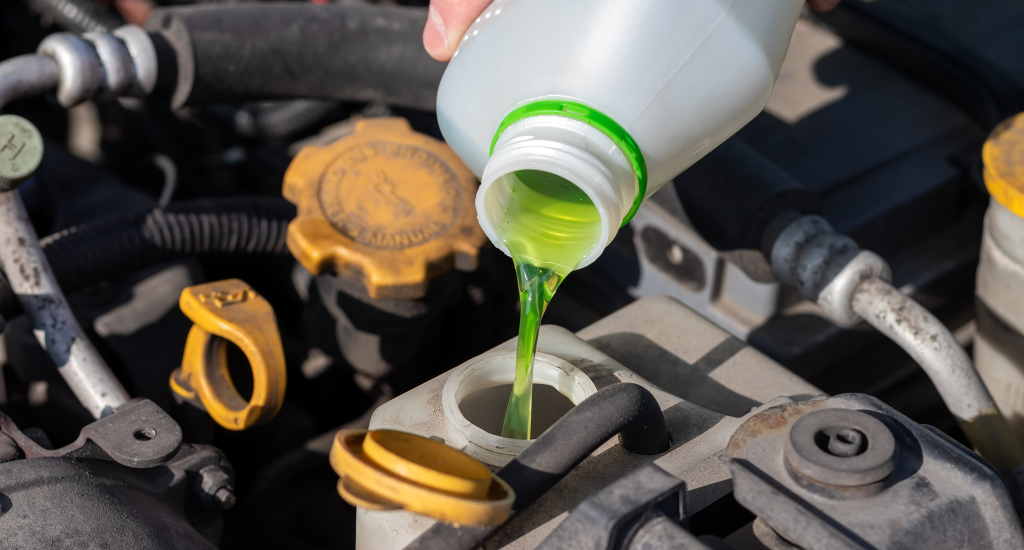
Noticing a low coolant warning or a dropping coolant level in your car without any puddles in the driveway can feel confusing. Coolant does not just disappear, and while a tiny amount of loss over long periods can be normal, needing frequent top-offs is usually a sign that something is going on out of sight. The important part is this: low coolant can quickly turn into overheating, and overheating can turn into warped cylinder heads, blown head gaskets, and repair bills that no one wants!
Continue reading to look through the most common reasons your car’s coolant gets low with no obvious leak, the warning signs to watch for, and the practical next steps we recommend to protect our engine.
Why Coolant Levels Drop Without A Visible Leak
Cooling systems are pressurized, and many leaks only show up under pressure, at operating temperature, or in places where coolant evaporates before it hits the ground. Some leaks happen inside the engine, which means nothing will drip externally at all. On top of that, modern engine bays have large splash shields and undertrays that can catch and spread coolant, hiding the source.
If you are adding coolant regularly, it is time to stop guessing and get the system inspected before the problem escalates.
What Is “Normal” Coolant Loss?
The water pump should become your main suspect when you observe both intermittent overheating and a fluctuating temperature gauge, together with hearing strange pump sounds.
Heater Core Leak (Coolant Loss Inside The Cabin)
A heater core leak can drop coolant without leaving anything on the driveway because the coolant is leaking inside the HVAC box. The coolant sometimes drips onto the carpet, but it also evaporates into the cabin air.
Common Hidden Causes Of Low Coolant With No Leak
Internal Engine Leak (Head Gasket Or Combustion Leak)
One of the most serious possibilities is coolant entering the combustion chamber or mixing with engine oil. When that happens, coolant is consumed or contaminated internally, so you may not see any external leak.
Common clues include sweet-smelling exhaust, white smoke that lingers after warm-up, recurring overheating, a rough cold start, or “milkshake” looking sludge under the oil cap. Not every head gasket issue shows all symptoms, so testing matters. A proper inspection often includes pressure testing and chemical or gas tests that check for combustion gases in the coolant.
Expansion Tank Cracks Or Seam Leaks
Expansion tanks are known to develop hairline cracks as plastic ages and heat cycles build stress. These cracks can leak only when the system is hot and pressurized, then seal up as things cool, leaving little to no evidence on the ground. In many cases, the coolant also evaporates off hot components before it ever drips.
We often see dried coolant residue that looks like a chalky white or light blue crust around the tank, hoses, or mounting seams.
Water Pump Weep Hole Leak (Especially Hard To Spot)
Many water pumps can seep coolant through a weep hole as the internal seal begins to fail. This can be extremely easy to miss because the leak may only occur while driving, and coolant can spread across the underside of the engine or be flung by the belt and airflow. With an undertray installed, you might never see a puddle.
The presence of intermittent overheating, combined with a temperature gauge that fluctuates and the production of unusual pump sounds, should lead us to suspect the water pump as a potential issue for examination.
Heater Core Leak (Coolant Loss Inside The Cabin)
A heater core leak produces coolant loss through the cabin because the coolant escapes from the heater core into the HVAC box system. The substance creates a carpet drip at times, but most often disappears as it turns into cabin air.
Signs include fogging windows, a sweet smell inside the car, damp carpet (often the passenger side), or weak heat. You should not ignore these, because heater core leaks tend to worsen, and low coolant can still overheat the engine even if the leak is “only” in the cabin.
Radiator Or Hose Seepage That Evaporates Before Dripping
Small leaks at radiator end tanks, hose quick-connect fittings, plastic flanges, or tiny pinholes can seep only at temperature and then evaporate on hot surfaces. Cooling systems have multiple plastic components that age, and small seepage can be invisible until it becomes a bigger failure.
A careful visual inspection with good lighting, along with a pressure test, is usually how you confirm these.
Coolant Reservoir Cap Failure (Pressure Loss And Boil-Off)
A weak or failing coolant cap can cause the system to lose pressure. When pressure drops, coolant can boil at a lower temperature and vent as vapor rather than leaking as a liquid. That can slowly lower the coolant level with little visible evidence.
If our cap seal looks worn, the cap does not hold pressure, or you see residue around the cap area, it is worth testing and replacing with the correct part.

What Low Coolant Can Do To Your Car If You Ignore It
Low coolant is not just a warning light nuisance. It can snowball into major engine damage. When coolant is low, hot spots form quickly, and engines can overheat faster than many drivers expect. Continued overheating can lead to:
- Warped cylinder heads
- Blown head gaskets
- Damaged radiators, hoses, and plastic fittings from heat stress
- Costly repairs that could have been avoided with early diagnosis
If you are seeing repeated low coolant warnings, the safest move is to treat it as urgent, even if the car “seems fine” today.
What You Should Do Right Now (Safe Next Steps)
The foundation of your research work will begin when you create your initial project and submit it through your program’s designated process. Our coolant solution requires these steps to minimize risk while you develop our next operational step. You should only test coolant levels when your engine has reached its cold state. The process of opening a cooling system requires handling because of its hot temperature.
Drivers should first fill their tank when their coolant level falls below the set limit by using approved coolant that meets required mixing guidelines, or they can select the proper pre-mixed solution. The combination of different coolants needs to be avoided because using an incorrect mixture will decrease protection against corrosion while producing dangerous sludge materials. The first step requires us to monitor the system temperature.
The driver needs to stop driving and turn off the engine when the temperature increases, the heater starts delivering cold air, and the warning lights start activating. Operating an overheated car will face extensive repair work because it requires intensive rebuilding.
Finally, schedule a professional cooling system inspection. A proper diagnostic approach usually includes a pressure test, cap testing, a thorough visual inspection for dried residue, and, when needed, tests that check for internal leaks.
How You Help Prevent This In The Future
The early detection of cooling problems, combined with regular system upkeep, provides us with better control over cooling problems. The prevention measures that most drivers use include three basic activities, which are checking their coolant levels through regular monitoring, fixing minor leaks without delay, and following scheduled maintenance times for both inspections and coolant service. The 50,000 to 60,000-mile mark serves as an optimal point for performing coolant flushes and system inspections because they help prevent unexpected breakdowns, especially when plastic parts and seals begin to deteriorate.
The usage of-approved coolant holds equal importance to our operations. Correct coolant usage according to specific engine requirements protects all internal elements of the engine system, including aluminum parts, seals, and internal channels, from damage over time.
When You Should Book An Inspection Instead Of Guessing?
If you are topping off coolant more than once, if the low coolant warning keeps returning, if there is any overheating, or if you smell coolant inside or outside the vehicle, it is time for an inspection. Hidden leaks do not typically get better on their own, and cooling system problems often accelerate once a weak part finally gives way.
At Maclane’s Automotive in Malvern, PA, we specialize in car repair, and we focus on finding the real source of coolant loss so we can protect our engine and keep our driving dependable. If your coolant is low but there is no visible leak, call (484) 321-8137 to schedule a cooling system inspection with our pros today, before a small issue turns into major engine damage!
