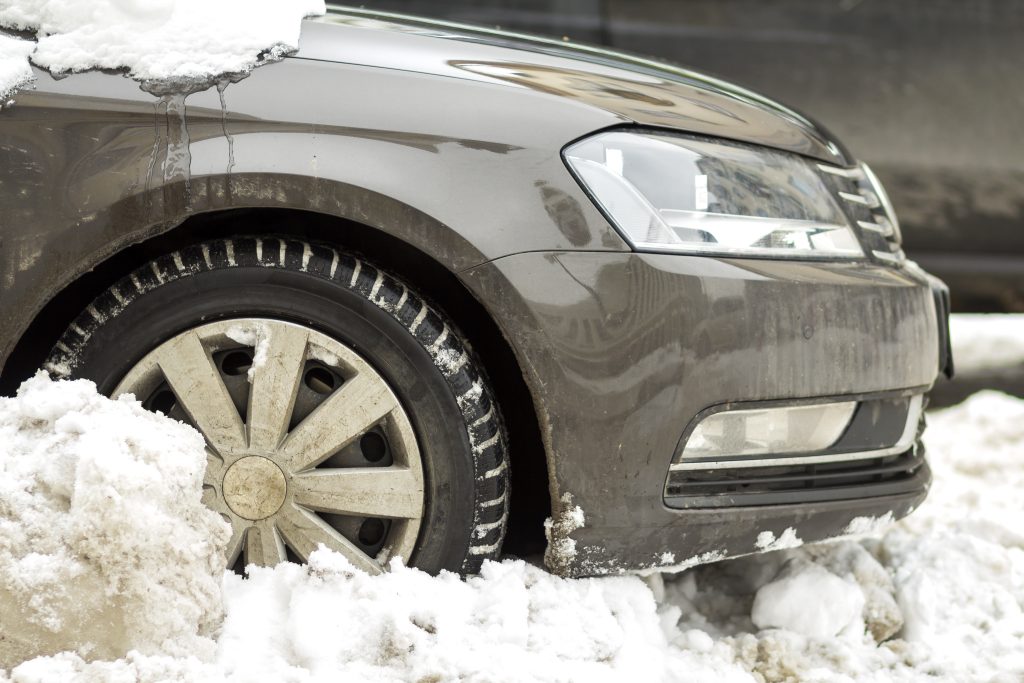
Downingtown winters create special challenges for vehicles that our team at Maclane’s Automotive sees every year. When temperatures drop, multiple systems work against each other to make starting difficult-sometimes impossible without intervention.
The core issue lies in how gasoline burns inside engines. Low temperature conditions deteriorate the performance of gasoline by causing it not to vaporize easily, and your engine would have to ignite wet wood instead of very easy tinder. Fuel companies then resort to making winter blends that have more volatile components designed specifically for cold starts as an alternative.
However, fuel quality is only a part of the puzzle. Your whole engine block, which is made of hundreds of pounds of steel and aluminum, takes on the role of a giant heat sink. When you try to get your car started on a freezing morning, the energy from every successful combustion cycle is absorbed by this cold metal instead of being used to create more momentum.
The problem is made worse by the fact that as soon as you switch on the ignition, the oil pump is activated. The thick winter-grade oil creates a lot of resistance in the engine and forces the starter motor to work against high viscosity while at the same time trying to compress the fuel mixtures in all cylinders, which is a huge mechanical load.
Lastly, batteries at very low temperatures lose their efficiency, and the starter motor gets less electrical current than it needs to overcome the multiple hurdles. Together, these factors create what we call “the perfect storm” of winter startup difficulty.
Practical Solutions That Actually Work
While modern vehicles perform better than older models in cold weather, problems persist. At Maclane’s Automotive, we’ve developed a three-tiered approach to keeping our customers moving through Pennsylvania winters.
1. Proactive Maintenance Before Cold Hits
Prepping for winter during the time of the calendar season is always a good idea. Here are our suggestions:
Fuel System Service: Cold weather brings the need for maximum fuel volatility, so it is advisable to flush fuel injectors and replace filters beforehand.
Battery Testing & Replacement: newer models pull more power than old batteries can always deliver under freezing circumstances, this means there is a need for the constant charging of car batteries.
Oil Viscosity Check: making sure your engine is lubricated with the right kind of oil suitable for winter, normally (5W-20 or the like), avoids excessive starting difficulty.
2. Specialized Equipment for Extreme Conditions
For Downingtown residents who park outdoors during our coldest months, we offer installation of specialized equipment:
Block Heaters (Engine Warmers) maintain the engine block at optimal temperature overnight. This can help vehicles parked outside for extended periods.
Battery Warmers: Preserve battery capacity in extreme cold. Good for high-performance or luxury vehicles.
Remote Start Systems allow pre-warming from inside warm buildings. Beneficial to daily drivers who park outdoors.
3. Emergency Readiness Kit
Even with proper preparation, winter can surprise us. We recommend keeping these items in your vehicle:
- Jumper cables
- Portable battery booster
- Extra bottle of 5W-20 oil (for emergency oil changes)
- Winter-grade fuel additive

Common Myths About Cold-Weather Driving
The myths regarding the winter operation of vehicles have been endless during the past years, and we feel like it is our duty to clear up some of them:
Myth: “Having a remote start feature in my car means I will not have to do anything else.”
Reality: For the most part, standard remote starts only run up for about 10-15 minutes and do not provide sufficient heating to the engine block.
Myth: “Higher octane fuel helps cold starting.”
Reality: Octane rating measures resistance to detonation, not volatility. Winter-blend gasoline already contains necessary additives regardless of octane level.
Myth: “If a car turns over slowly once, it is going to be okay the second time.”
Reality: Turning it over repeatedly without getting it to ignite will create a lot of heat in the starter motor, which is actually dangerous and may even entirely drain your battery.
When to Seek Professional Help
Certain warning signs indicate more than just winter difficulties:
- Multiple consecutive mornings requiring jump starts
- Unusual noises during cold-weather operation (grinding, clicking)
- Warning lights on the dashboard that appear only when the engine is cold
- Strong gasoline smell after failed start attempts
- Oil pressure gauge fluctuations in the first few minutes of driving
These symptoms often point to deeper mechanical issues that simple preparation can’t solve. We use advanced diagnostic tools to pinpoint exactly why your vehicle struggles in cold weather and provide lasting solutions.
Our Commitment to Downingtown, PA Drivers
We know how exhausting it can be to have your car refuse to start in winter-particularly when you are in a rush or have to drive long distances. That being said, our family-run shop gives special focus to cold-weather readiness every fall. When you bring your vehicle to us, we’ll:
- Inspect all critical systems with specialized equipment
- Provide honest recommendations based on your specific driving habits and climate conditions
- Offer affordable installation of block heaters or battery warmers
- Back our work with a guarantee that we stand behind
When temperatures drop in Downingtown, don’t struggle alone with winter startup problems. Contact us today at (610) 590-9974 and let us help you overcome cold-weather challenges before they leave you stranded!
